How do deformed bars improve structural safety in typhoon-resistant buildings?
- Enhanced bond and load transfer
- Tension and shear resistance
- Crack control and ductility
Overview
- To withstand severe weather, Philippine construction relies heavily on deformed steel bars (rebar).
- Their ribbed design creates a strong bond with concrete, boosting tension resistance, shear strength, and overall structural flexibility.
- Ensuring PNS compliance and proper steel selection helps prevent failure, with suppliers like Regan Industrial providing essential materials.
The Philippines regularly faces extreme weather, including Super Typhoon Goni—which recorded maximum sustained winds of 310 kilometers per hour, making it the strongest landfalling tropical cyclone in global history.
Severe weather tests building integrity. To offset concrete's low tensile strength, modern construction uses deformed steel bars (rebar) to reinforce structures against heavy loads and extreme forces.
As the country continues to face increasingly destructive typhoons, understanding how deformed bars improve structural safety in typhoon-resistant buildings has become essential for designing stronger, safer, and more resilient structures.
Enhanced Bond and Load Transfer

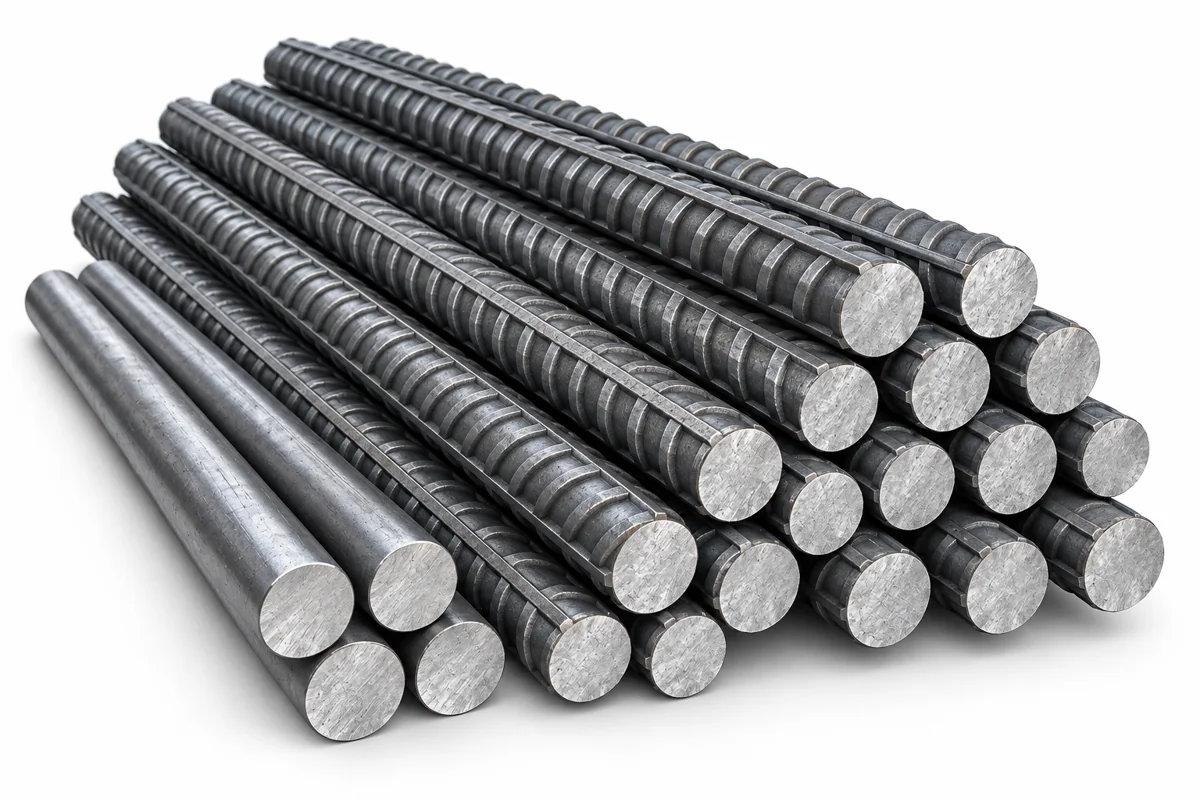
A deformed bar's ribbed surface is designed to create a stronger mechanical bond with the surrounding concrete. Unlike plain bars, the raised ribs interlock with the concrete, reducing the likelihood of the reinforcement slipping when the structure is subjected to heavy loads or strong typhoon winds.
This improved bond allows forces to transfer more efficiently between the concrete and the steel, enabling both materials to work together as a single structural system. As wind loads increase, the reinforcement helps distribute stress more evenly throughout the structure, improving overall stability and reducing the risk of localized structural failure.
Tension and Shear Resistance
Concrete performs well under compression but has limited capacity to resist tension. Deformed bars address this limitation by carrying tensile forces that develop when strong winds cause structural members to bend or flex.
Their high tensile strength allows them to absorb and resist these forces without easily deforming, while also improving the structure's resistance to shear stresses that occur around beams, columns, and joints.
During typhoons, buildings experience constantly changing wind pressures that create both tension and shear throughout the framework. Deformed bars help maintain structural integrity by reinforcing these critical areas and preventing excessive movement under loading.
Crack Control and Ductility
Strong winds can place repeated stress on reinforced concrete, causing small cracks to develop over time. Deformed bars help control crack formation because their strong bond with concrete limits excessive movement within the structural member.
Instead of allowing cracks to widen quickly, the reinforcement helps distribute stresses across a larger area, reducing the severity of damage. They also improve ductility, enabling reinforced concrete to bend and absorb energy without suddenly breaking.
This added flexibility allows structural elements to respond more effectively to dynamic wind forces, helping preserve stability while reducing the likelihood of brittle structural failure.
Factors to Consider When Choosing Deformed Bars
Here are some important factors to consider when selecting deformed bars for your construction project.
Steel Grade
Steel grade determines how much stress a deformed bar can withstand before it bends or fails. For structures in typhoon-prone areas, weldable grades provide improved ductility and weldability, making them suitable for applications that require stronger, more reliable reinforcement.
In the Philippines, deformed bars conform to PNS 49:2020 standards and are commonly supplied in 6-meter lengths. You should always use the steel grade specified in your structural plans to help ensure the reinforcement performs as intended under severe weather conditions.
Bar Size and Diameter
Deformed bars come in various diameters, with each size designed for specific structural applications. Larger bars are typically used for heavily loaded members, while smaller bars suit slabs and secondary reinforcement.
You should select the bar size specified in your structural plans, taking into account load requirements and reinforcement spacing. Using the correct diameter helps distribute forces efficiently, supports proper concrete placement, and maintains the overall performance of the structure.
Compliance with Philippine National Standards (PNS)
Compliance with PNS helps verify that deformed bars meet established requirements for strength, dimensions, and quality. These standards support safe construction practices and ensure reinforcement materials meet local engineering requirements.
When selecting deformed bars, you should confirm that the products comply with the applicable PNS requirements and request supporting documentation when necessary. This helps maintain consistent material quality throughout your construction project.
Corrosion Protection
Environmental conditions such as humidity, rainfall, and coastal exposure can accelerate steel corrosion over time. When choosing deformed bars, you should consider whether additional corrosion protection is needed based on the project's location and service conditions. Options such as epoxy-coated bars, galvanized reinforcement, or sufficient concrete cover help reduce corrosion.
Common Applications of Deformed Bars in the Philippines
The following are the common applications of deformed bars across different construction projects in the Philippines.
- Residential Houses: Reinforce foundations, columns, beams, and slabs for stronger homes.
- Mid-Rise and High-Rise Buildings: Strengthen reinforced concrete members to support heavier structural loads.
- Bridges and Flyovers: Improve the strength and durability of load-bearing concrete structures.
- Flood Control Structures: Reinforce retaining walls, dikes, and drainage systems against water pressure.
- Schools, Hospitals, and Evacuation Centers: Enhance structural resilience for critical public facilities during disasters.
Why Regan Industrial Is a Trusted Steel Supplier

Building durable structures starts with reliable steel. Regan Industrial supplies high-quality steel products, competitive pricing, and nationwide delivery to keep your projects moving. With extensive product selection and end-to-end support, we provide dependable steel solutions built for demanding conditions.
Key Takeaway
Knowing how deformed bars improve structural safety in typhoon-resistant buildings highlights their role in helping reinforced concrete withstand strong winds and extreme weather.
Secure your next build with high-quality steel made for Philippine conditions. Contact Regan Industrial today to source certified deformed bars for your project.