Beyond section limits
Fabricated to depths and capacities unavailable in standard rolled sections.

Custom fabrication of heavy built-up beams for construction, industrial, and infrastructure projects across the Philippines. Engineered to exceed standard rolled section limits — hot welded from high-strength flat steel components to your exact load and dimension specification.
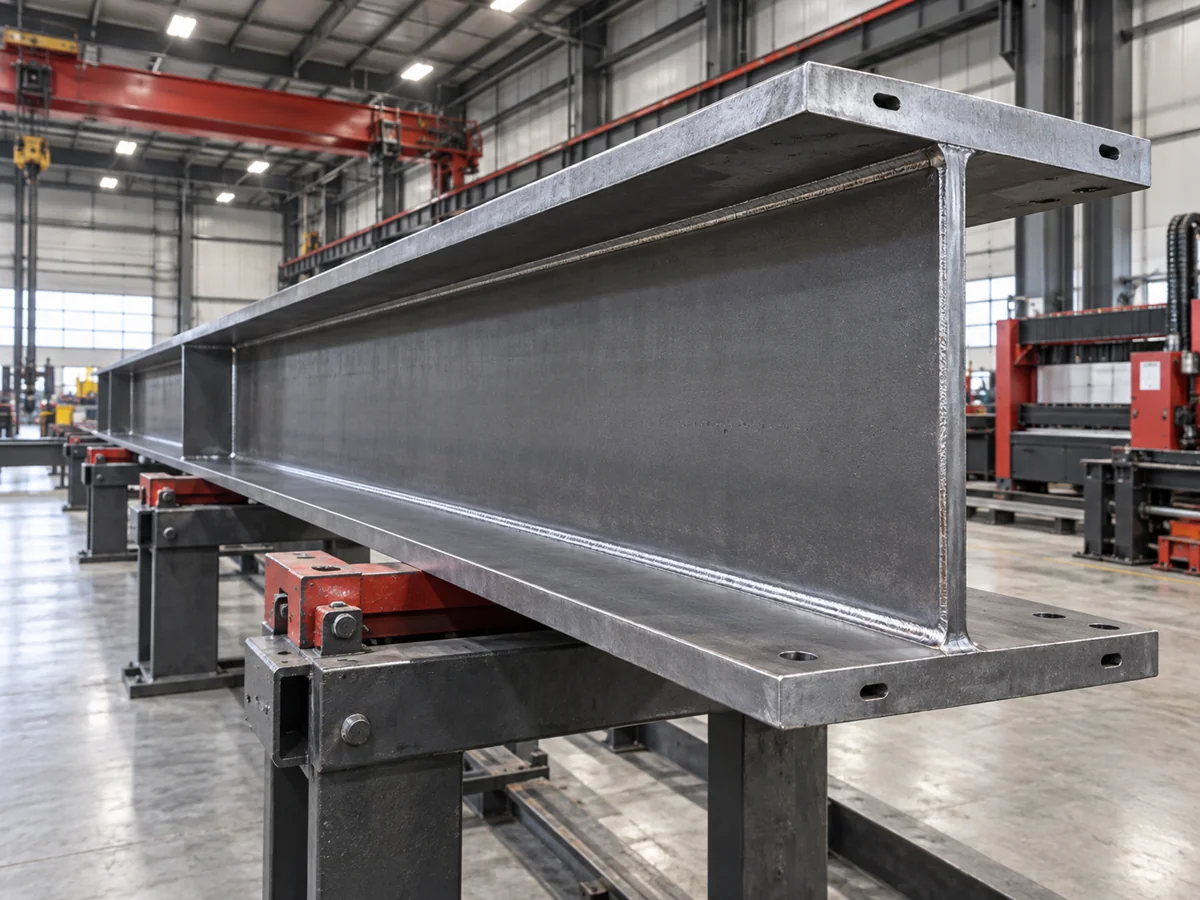
Build-up fabrication of heavy beams in the Philippines is the process of assembling individual flat steel components — flanges and webs — into large, robust structural beams by hot welding. Unlike standard hot-rolled sections produced in a mill, built-up beams are engineered and fabricated to a specific depth, flange width, web thickness, and steel grade that matches the precise load-bearing requirements of the project.
At Regan Industrial Sales Inc., we offer both standard hot-rolled steel sections and custom built-up beams — giving structural engineers and contractors the flexibility to specify the most appropriate section for their project without sourcing from multiple fabricators.
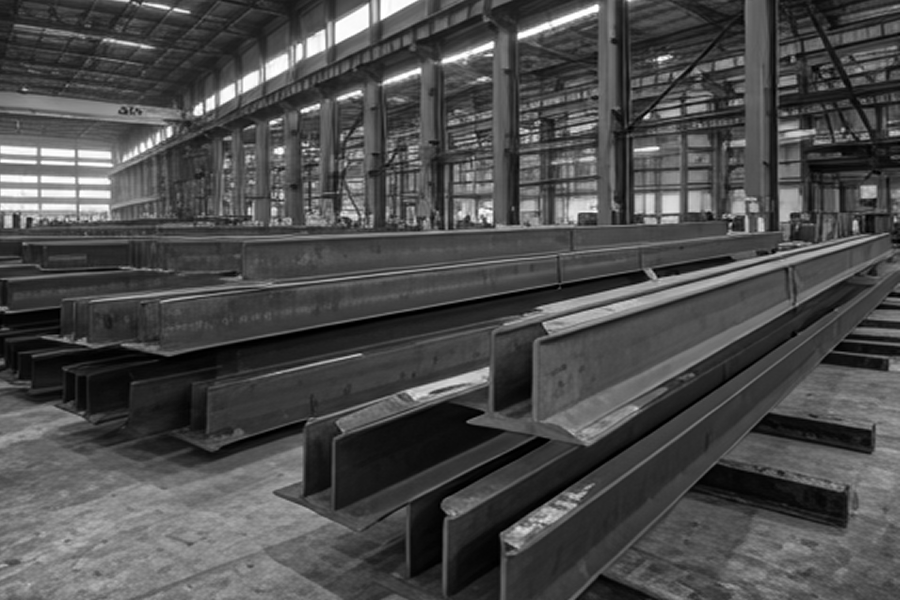
Fabricated to depths and capacities unavailable in standard rolled sections.
Flanges and webs joined by qualified welders for full structural integrity.
Depth, flange width, web thickness, and steel grade all set to project spec.
Regan sources the base plate and fabricates the beam — single supplier efficiency.
The fabrication process begins with selecting the appropriate steel plate grade and thickness for each component of the built-up beam — the top flange, bottom flange, and vertical web. Material selection is driven by the structural engineer's specification: the required yield strength, weldability class, and any impact toughness requirements for the project environment.
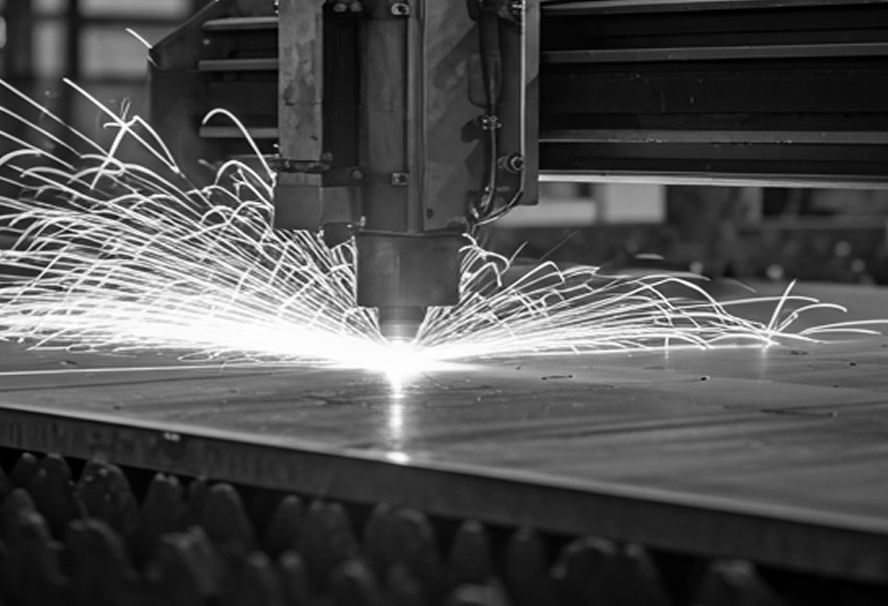
Once materials are confirmed, the flange and web plates are cut to the exact width and length required for the beam profile using Regan's plasma cutting or mechanical shearing facilities in-house.
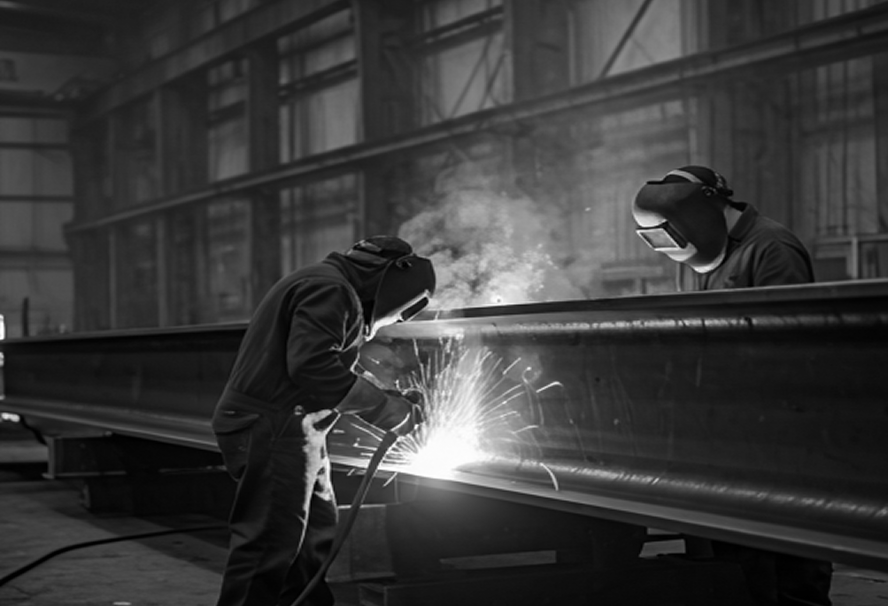
Cut flange and web components are assembled in a jig or fixture to maintain squareness and alignment before welding commences. Tack welds hold the components in position, then qualified welders complete the full fillet or groove welds connecting the flanges to the web along the full length of the beam.
Welding is performed in a controlled sequence to manage heat input and minimize distortion. For heavily loaded beams, intermittent or continuous stiffener plates may be welded to the web at bearing points and load introduction zones as specified by the structural engineer.
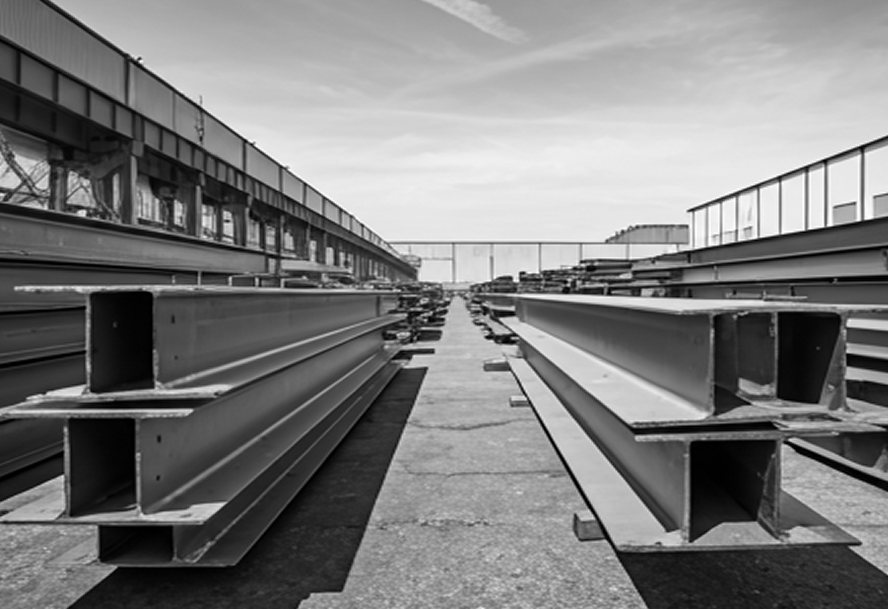
After welding, built-up beams are inspected for dimensional conformance — overall depth, flange width, web straightness, and end squareness are checked against the fabrication drawing. Any distortion or camber induced by the welding process is corrected by mechanical straightening. Surface preparation — grinding of weld toes, removal of spatter, and sandblasting to the specified blast profile — is performed before the beam is primed, painted, or galvanized as required by the project specification. The finished beam is marked with the piece number and dimension reference for site identification.
Build-up fabrication is the process of assembling steel plates and sections to create larger or customized structural beams. These beams are commonly produced when standard rolled sections cannot meet the required size, strength, span, or load capacity of a project.
Build-up fabrication may be used for plate girders, box girders, built-up I-beams, built-up H-beams, tapered beams, columns, and other custom structural members. The final configuration depends on the approved engineering drawings and project requirements.
Built-up beams are commonly used in warehouses, factories, bridges, industrial plants, large-span buildings, infrastructure projects, and structures that require heavier or customized load-bearing members.
Provide the approved fabrication drawings, beam dimensions, steel grade, plate thicknesses, required quantity, welding specifications, surface treatment, inspection requirements, delivery location, and target schedule. A complete bill of materials can help speed up the assessment.
Yes. Depending on the project scope, built-up beams may be supported by cutting, welding, drilling, sandblasting, painting, galvanizing, inspection, and delivery services. Final capabilities depend on the beam size, weight, specifications, and project requirements.
Tell us your steel specifications, blast profile requirement, and project timeline. Our sales team will respond within one business day with a detailed quotation.