Basta bakal, Regan.
Waging wagi ka dito
SUBSCRIBE FOR TECHNICAL UPDATES
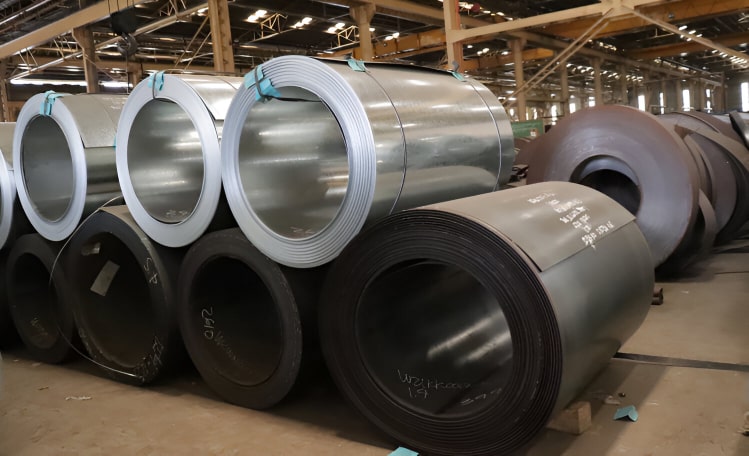
Hot-rolled and cold-rolled sheets are two common forms of steel sheets, each produced through distinct manufacturing processes. The choice between hot and cold-rolled sheets depends on the specific requirements of the application, considering factors such as surface finish, dimensional accuracy, and mechanical properties.
Get a Free Quote
Hot-rolled sheets are made by heating steel slabs above their recrystallization temperature and then rolling them through a series of rollers to achieve the desired thickness. These sheets have a rough surface and are typically less precise in terms of dimensions. They are known for their malleability and are often used in applications where thickness tolerances and surface finish are less critical.
Hot-rolled sheets are commonly utilized for structural components, construction, railway tracks, and general fabrication.
LEARN MORE
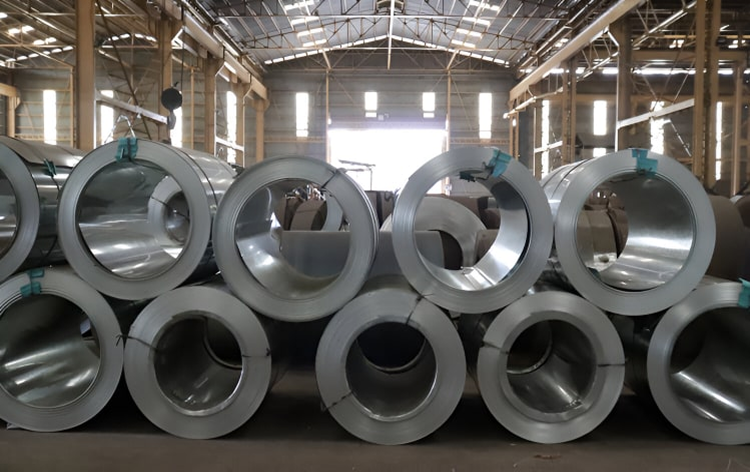
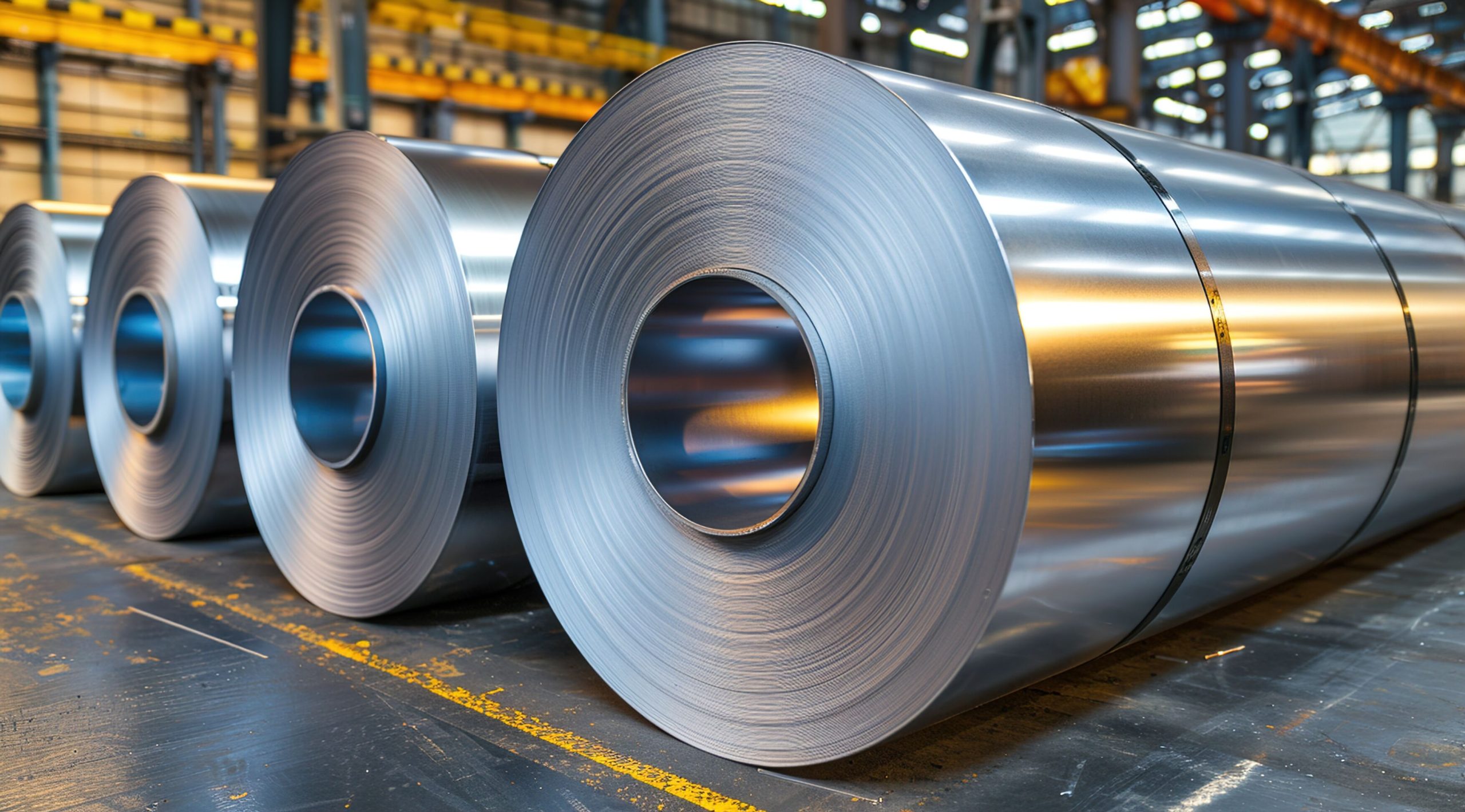
Cold-rolled sheets are manufactured by taking hot-rolled coils, subjecting them to a cold reduction process (rolling at room temperature), and then annealing the material for improved strength and finish. These sheets have a smoother surface finish and more accurate dimensions. They exhibit higher strength and hardness due to the cold-working process.
Common applications of cold-rolled sheets include precision engineering, automotive components, appliances, and applications where a smooth surface finish is crucial.
LEARN MORE
Hot-rolled, cold-rolled, and ZAM coils are available across gauge ranges from #26 (0.40mm) to standard structural thicknesses — with weight per sheet data for every gauge and thickness. Download the 2026 Product Handbook for the complete multi-product reference.
Access gauge, thickness, and weight-per-sheet data for hot-rolled (ASTM A36), cold-rolled (JIS G3141 SPCC), and ZAM-coated (JIS G3323) sheet and coil — all three product types in a single 2026 Product Handbook download.