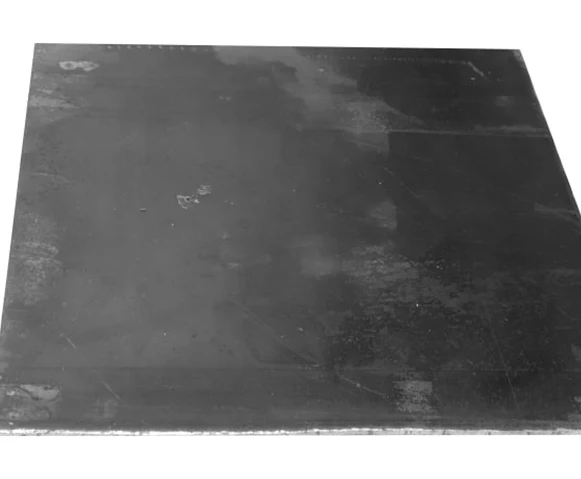
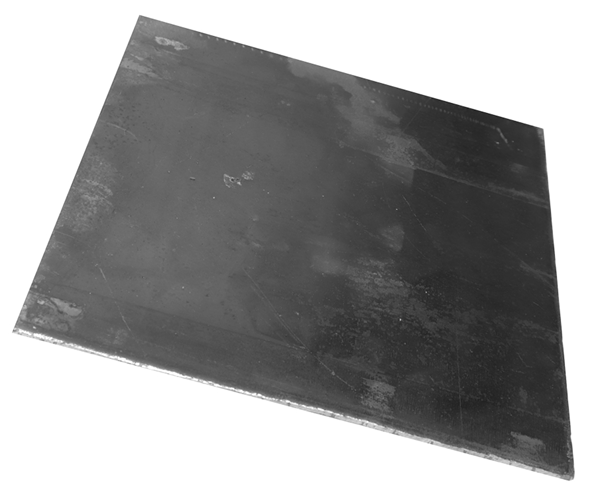
Abrasive Resistant Plates
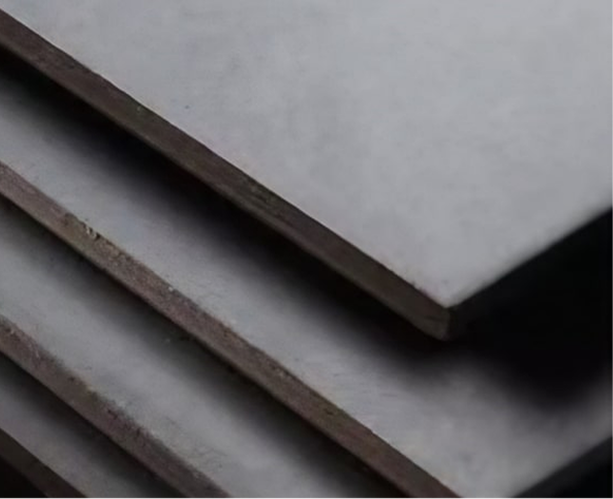
Abrasive-resistant plates, often referred to as wear-resistant plates or AR plates, are specialized steel plates designed to withstand abrasive wear. These plates are used in applications where materials regularly come into contact with abrasive materials or surfaces, leading to wear and tear. The abrasion resistance helps prolong the lifespan of the component or structure.
Different grades of abrasive-resistant plates are available to suit specific applications, with variations in hardness, toughness, and wear resistance. Choosing the right grade depends on the severity of the abrasive conditions and the specific requirements of the application.
55+ Years of Steel Excellence
Nationwide Delivery
Complete Steel Range
Serving Luzon Visayas, Mindanao
Specifications
| Steel Grades: |
|
|---|---|
| Lead Time: | Indent order (90 - 120 days) |
| Maximum Length/Width: |
|
Available AR Plate Sizes & Specifications
Abrasive-resistant plates, often referred to as wear-resistant or AR plates, are specialized steel plates engineered to withstand severe abrasive wear and impact. By significantly prolonging the lifespan of components exposed to friction and harsh material contact, these plates deliver exceptional durability, structural toughness, and cost efficiency in high-wear industrial environments.
- Certified JIS wear-resistant steel grades
- Dimensions available up to 8’ x 20’ maximum
- High hardness engineered for severe abrasion
- Indent order delivery within 90–120 days
- Ideal for liners, chutes, and buckets
Common Questions
Frequently Asked Questions
Where are AR Plates commonly used?
AR (or Abrasive Resistant) plates are commonly used in industries and applications where wear and impact are frequent, including mining and quarrying equipment, construction machinery, cement and steel plants, chutes and hoppers, and heavy-duty transport or material handling equipment. Their durability and resistance to abrasion make them ideal for extending the service life of components exposed to harsh, abrasive conditions.
What are the differences between AR Plates and Mild Steel Plates?
The main differences between AR plates and mild steel plates are in strength, hardness, and intended use:
- AR Plates are specially designed to resist wear, abrasion, and impact, making them ideal for heavy-duty applications in mining, construction, and industrial equipment. They are harder and more durable than mild steel.
- Mild Steel Plates are more versatile and easier to work with, offering good formability and weldability for general construction and fabrication, but they wear faster under high abrasion or impact conditions.
Choosing between the two depends on whether the application requires high wear resistance or general structural use.
How do AR plates perform under abrasion and impact?
AR plates perform exceptionally well under abrasion and impact. They have a high hardness level, which allows them to resist surface wear from friction, scraping, and repeated contact with abrasive materials.
At the same time, they maintain good toughness, enabling them to absorb impact without cracking or deforming easily. This combination helps extend the lifespan of equipment and components used in harsh, high-wear environments.
Discuss Your AR Plate Requirements
Tell us about the equipment or wear application and share your required plate specification. We’ll help check abrasive resistant plate options and the details needed for your quotation.