
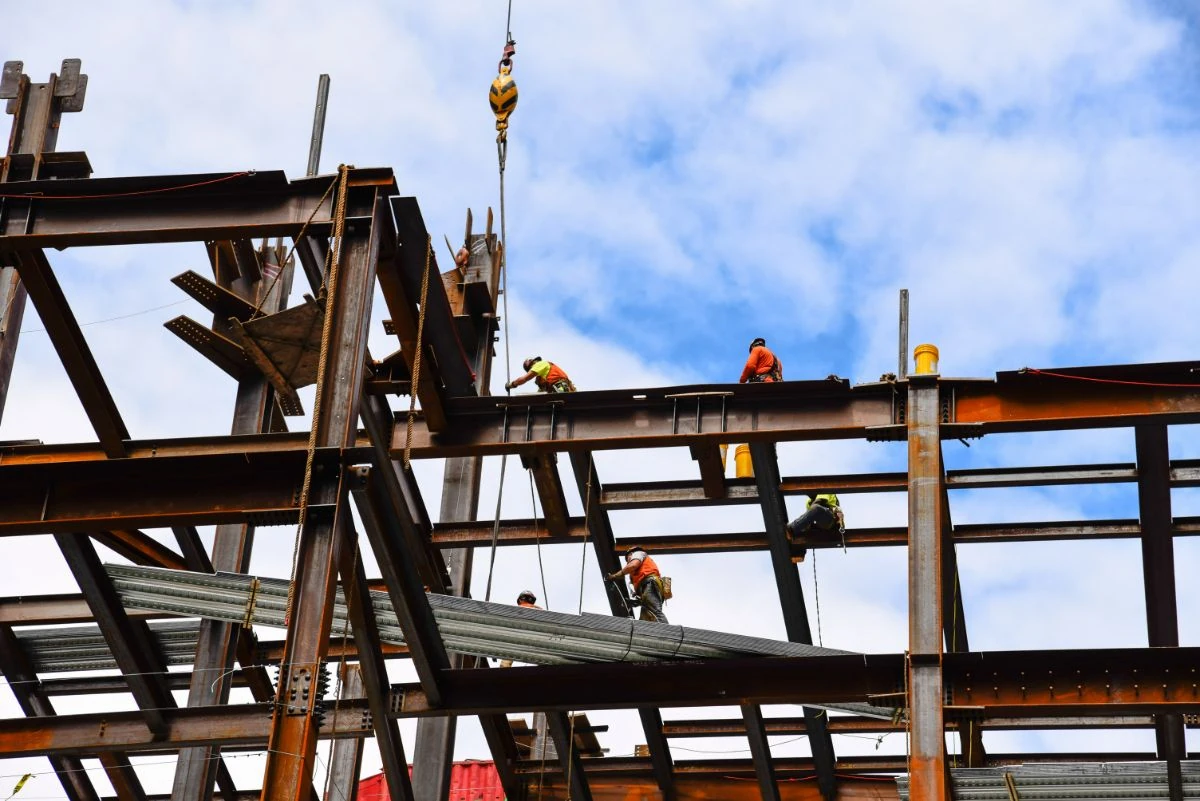
What is the role of steel during natural disasters?
- Hurricane and tornado resistance
- Flood and tsunami resistance
- Earthquake resistance
- Structural support and resilience
- Temporary emergency structures
Overview
- Steel's durability safeguards against hurricanes and tornadoes, resisting deformation and aiding swift recovery after storms, ensuring safety and fast community rebuilding.
- The stability, flexibility, and strength-to-weight ratio of steel are crucial in constructing earthquake-resistant buildings, reducing the risk of collapse in seismic-prone regions.
- Their robust nature enhances structures' resilience to adverse weather conditions, ensuring stability, safety, and long-term durability for sustainable designs.
- The versatility of steel enables rapid construction of emergency shelters, field hospitals, and command centers during disasters, providing stability and safety in unpredictable conditions.
In the face of natural disasters, the structural integrity of buildings becomes a paramount concern. Steel, with its exceptional properties, enhances resilience against the forces of nature.
This article delves into the role of steel in natural disasters, offering durability and resistance to various disasters—ensuring they endure and protect lives in the wake of natural calamities.
Hurricane and Tornado Resistance
Steel is a strong and resilient material that can withstand the destructive forces of hurricanes and tornadoes. Its robust structure and durability protect buildings from powerful winds and impacts, minimizing damage and ensuring safety for occupants.
It can resist deformation and absorb impacts, making it an ideal choice for withstanding the unpredictable nature of these storms. It not only protects structures but also provides a safe haven for people seeking shelter.
Also, steel allows for quicker recovery and repair after a storm, helping communities rebuild faster. They are a formidable barrier against hurricanes and tornadoes, offering strength, durability, and protection.
Flood and Tsunami Resistance
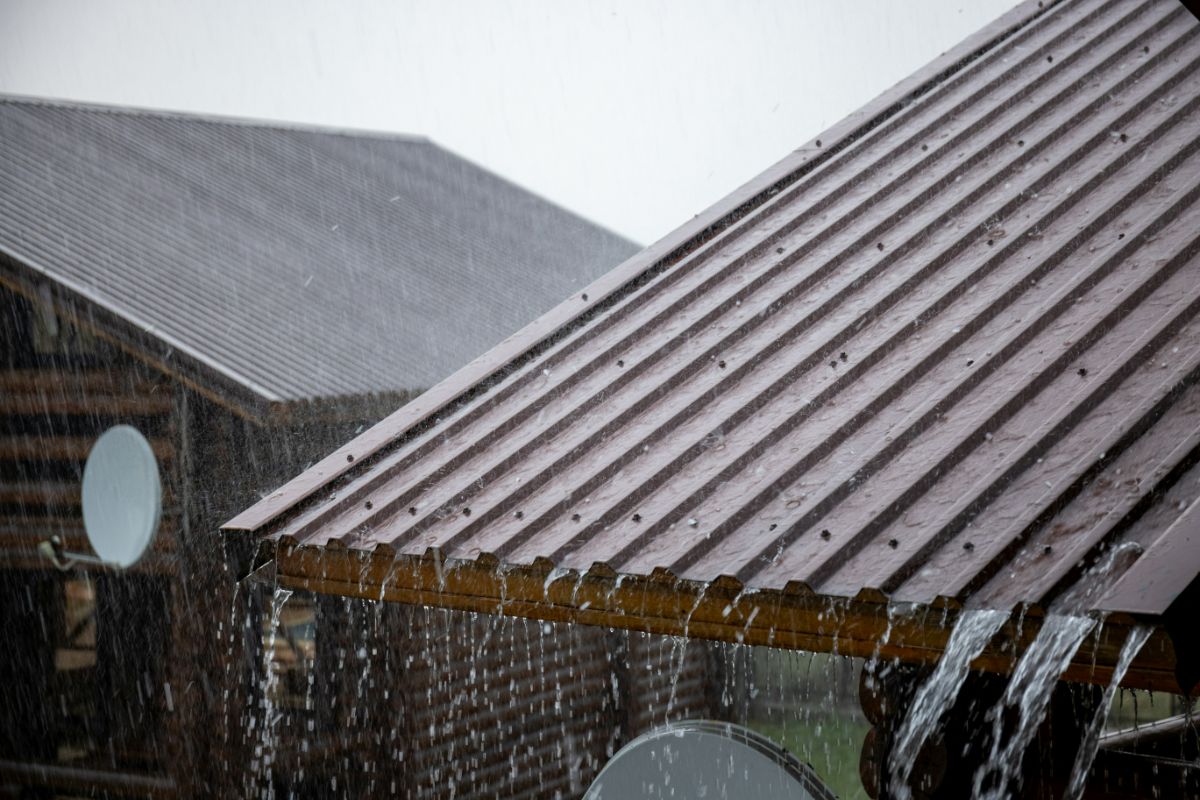
Since steel is resistant to corrosion and water damage, it is a great material to use in constructions intended to withstand earthquakes and floods. Its strength and resilience allow it to provide a strong barrier against the forceful currents that can cause damage to buildings and other infrastructure.
Steel buildings hold up well after floods and tsunamis pass, offering a solid base for relief operations. In order to lessen the effects of these natural disasters and guarantee community safety, steel is able to withstand water without losing its structural integrity.
Earthquake Resistance
Steel provides exceptional ductility, which means it can undergo significant deformation or bending without fracturing, which is crucial in absorbing energy during seismic events and reducing the risk of collapse.
It also emerges as an indispensable material in the construction of buildings engineered to endure the seismic forces of earthquakes. Its unique ability to bend without breaking, coupled with an impressive strength-to-weight ratio, facilitates the creation of taller and lighter structures. This enhances flexibility against lateral forces, rendering steel a dependable and secure choice for regions prone to seismic activity.
Structural Support and Resilience

Steel, a durable and enduring material, enhances the resilience of structures against adverse weather conditions such as high winds and freezing temperatures. Its robust construction ensures prolonged stability and safety, minimizing the need for frequent repairs.
Recognized for its versatility, steel facilitates the creation of strong and innovative designs. Additionally, its recyclability and sustainability contribute to the construction of sturdy, long-lasting structures.
Temporary Emergency Structures
During times of natural disasters, the ability to swiftly set up emergency structures is of utmost importance. Steel, with its remarkable versatility, proves to be an invaluable resource in enabling the rapid construction of these temporary facilities.
It offers stability that ensures the safety of those in need, especially in the face of unpredictable weather, strong winds, or potential aftershocks. This is important when addressing the urgent requirements of disaster-stricken areas.
Whether it be emergency shelters, field hospitals, or command centers, steel's properties make it a crucial material for facilitating quick and reliable solutions to support affected communities in times of crisis.
Key Takeaway
These are the essential roles of steel in natural disasters. It lies in its practical attributes—strength, durability, and resilience, serving as a robust shield, fortifying structures to withstand seismic events, fires, and other calamities. This tangible contribution ensures not only immediate safety but also the enduring structural integrity of buildings in the face of nature's forces.
Discover the cutting-edge earthquake-resistant steel products offered by Regan Industrial Sales Inc. Safeguard your projects with our innovative solutions, providing the assurance of superior seismic resistance. Reach out to us today to learn more about our steel products and services in the Philippines.