 Blog-manager
Best Practices for Maintaining Steel Infrastructure After Heavy Rainfall
What are the best practices in maintaining steel infrastructure after heavy rainfall?
- Drainage and foundation checks
- Corrosion and surface inspection
- Structural and connection review
Overview
- Heavy rainfall from monsoons and typhoons threatens steel infrastructure by causing soil erosion, structural deformation, connection deterioration, and severe corrosion.
- Prompt post-rain inspections of drainage, surfaces, and connections are vital for early damage detection. Utilizing quality steel—such as products from Regan Industrial—ensures long-term strength, corrosion resistance, and overall structural durability.
If you’ve built or upgraded your infrastructure with Regan Industrial steel, this guide is for you. Heavy rainfall can put steel infrastructure under significant stress, particularly when flooding and prolonged moisture affect multiple regions. Recently, at least 382,000 people across eight regions were affected by the combined effects of the enhanced southwest monsoon (habagat) and tropical cyclones.
As a project owner who has already invested in quality steel, protecting that investment matters. Following best practices for maintaining steel infrastructure after heavy rainfall will help you identify potential damage early and keep your structures reliable long after installation — and we’re here to support you through every inspection cycle.
Drainage and Foundation Checks
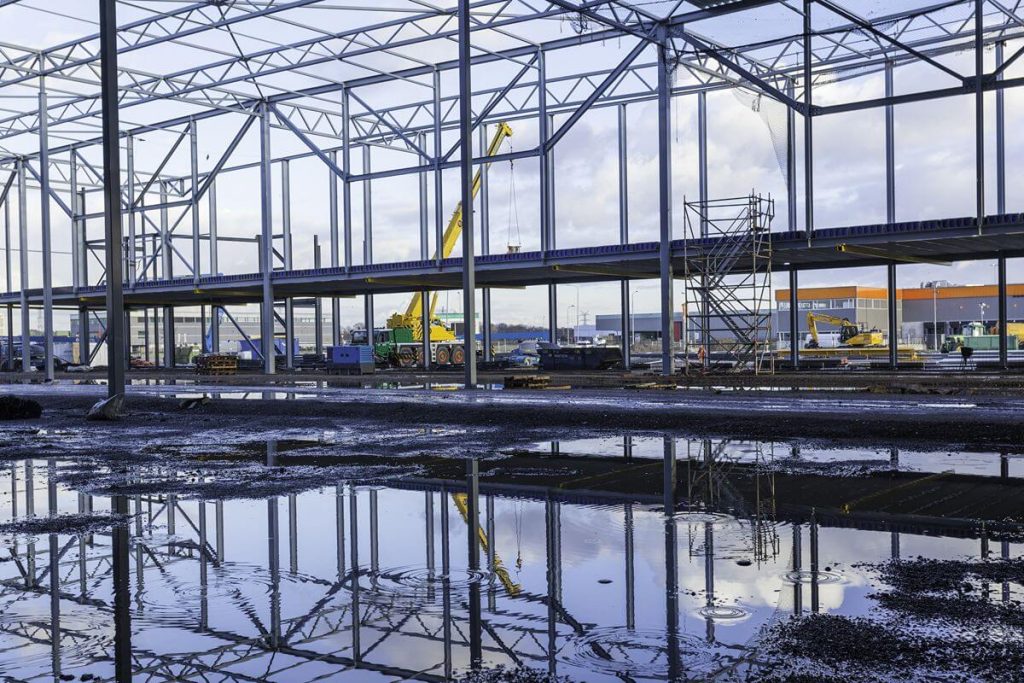
In the Philippines, intense monsoon rainfall and typhoons quickly overwhelm drainage systems and saturate the soil around infrastructure. Pooled water around steel columns, base plates, retaining systems, and foundations reduces soil stability, while heavy runoff causes erosion and scour that exposes structural components.
To protect these assets, inspect foundation areas after heavy rainfall for standing water, blocked drains, soil loss, settlement, or exposed structural elements. Compare current ground levels and foundation conditions against previous records, and document any significant movement or erosion for further engineering assessment. If you need help evaluating changes against your original specifications, our team can review your project records with you.
Corrosion and Surface Inspection
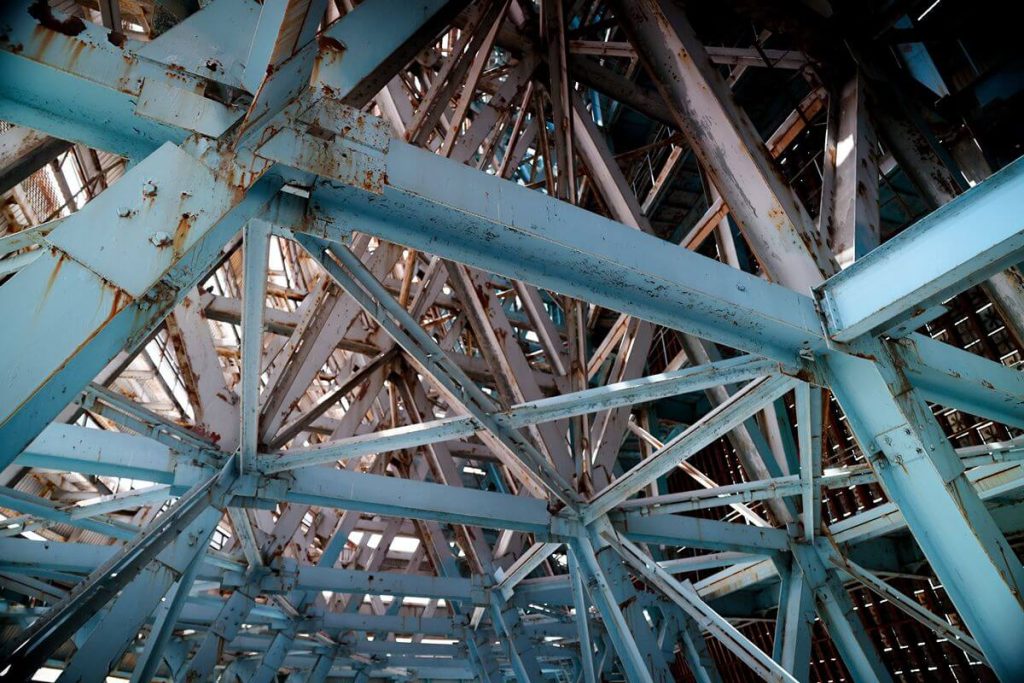
Prolonged moisture on exposed steel triggers oxidation and leads to corrosion. Early indicators include orange or dark brown discoloration, rough surfaces, small rust spots, bubbling paint, or peeling coatings.
Focus post-rain inspections on joints, crevices, drainage points, and water collection zones. Clear away mud and debris, document any visible surface damage, and schedule an engineering evaluation for severe corrosion prior to applying surface treatments or protective coatings.
Structural and Connection Review
Flooding and prolonged rainfall create severe structural stress by accelerating corrosion around bolts, welds, and connection plates, while ground movement can shift components out of alignment.
Indicators requiring immediate assessment include bent or displaced members, cracked welds, loosened connections, unusual deflection, or localized joint corrosion.
Focus post-rainfall inspections on beams, columns, braces, and critical connections exposed to water flow. Cross-reference all observations with previous inspection records and baseline photos to distinguish new storm damage from pre-existing conditions.
Common Problems Heavy Rainfall Can Cause to Steel Infrastructure
Here are the common problems heavy rainfall can cause to steel infrastructure, particularly when moisture, flooding, and water accumulation persist.
Corrosion and Surface Rust
Extended exposure to rainwater creates persistent dampness on steel surfaces, especially in areas with poor drainage or airflow. Over time, oxygen and trapped moisture trigger oxidation, surfacing initially as localized rust. Left unaddressed, this progressive corrosion strips away protective outer layers and thins the steel’s load-bearing material, directly compromising overall structural strength.
Connection Deterioration
Joints, bolts, and welds naturally trap standing water, making critical connection points highly susceptible to localized corrosion. Alternating cycles of wetting and drying degrade protective coatings, stripping away material from bolts and connection plates. Over time, this wear loosens connections and leaves welds susceptible to cracking under operational stress.
Water Accumulation
Severe rainfall easily overpowers standard drainage systems, leading to standing water on roofs, platforms, and horizontal beams. Beyond accelerating surface corrosion, accumulated water imposes substantial dead weight on structural members. Clogged or inadequate drainage amplifies this load, compounding stress across entire assemblies and shortening component lifespan.
Structural Deformation
Extensive rainfall induces physical deformation through excess weight and ground instability. Saturated soil destabilizes foundations, leading to uneven settlement, while pooled water exerts excessive downward load on overhead structures. This combined pressure forces beams, columns, and support frames to twist, bend, or shift out of alignment.
Why the Steel You Chose Continues to Work For You
If your project used Regan Industrial steel, you already made the decision that supports long-term maintenance:
- Corrosion Resistance
Resists moisture and environmental exposure, reducing rust-related damage and maintenance needs.
- Strength and Durability
Withstands heavy loads, repeated stress, and harsh conditions without premature deterioration.
- Manufacturing Quality
Meets required specifications consistently, reducing defects that can lead to structural issues.
- Long-Term Performance
Maintains structural properties over time, supporting infrastructure safety, stability, and service life.
We’re Here Beyond the Build
Choosing Regan Industrial goes beyond a single transaction; our support continues for as long as your structure stands. If your rainy season inspections reveal issues requiring clarification, our engineering team is ready to assist you:
- Evaluate Inspection Data: Compare current findings directly against your original project specifications.
- Determine Maintenance Solutions: Select appropriate cleaning protocols, surface treatments, or protective coatings for affected areas.
- Supply Repair Materials: Source exact replacement components or additional steel needed for reinforcement.
- Plan Future Maintenance: Schedule pre-storm season inspections to keep your infrastructure secure.
Key Takeaway
Heavy rainfall can reveal issues that may not be immediately visible, making timely inspections and maintenance essential for keeping steel infrastructure dependable. Following the best practices in maintaining steel infrastructure after heavy rainfall can help you address potential concerns early and support the continued performance of your structures.
For steel infrastructure solutions tailored to your project requirements, turn to Regan Industrial. Our team can help you select steel products suited to your application and project environment. Contact us today to discuss your next project.


