 Blog-manager
How Structural Steel Types Differ and When to Use
Overview
- This article explains how different structural steel types—such as stainless steel, carbon steel, HSLA, weathering steel, and quenched and tempered alloy steel—serve specific construction needs.
- It highlights their properties, ideal applications, and importance in balancing strength, cost, and durability. Selecting the right steel ensures safer, more efficient, and longer-lasting projects.
Structural steel comes in different types, each designed for specific structural roles. Choosing the right steel goes beyond strength, as it also requires balancing cost, load-bearing needs, environmental conditions, and fabrication requirements.
Industrial developers and commercial contractors who understand these distinctions can make smarter decisions, applying every kind where it performs best. In this article, we explore how structural steel types differ and when to use them.
Stainless Steel
Containing at least 10.5% chromium, stainless steel offers strong resistance to rust and corrosion while maintaining durability and versatility. This makes it suitable for both structural and decorative applications across various environments.
Regan Industrial Sales Inc., a trusted steel supplier in the Philippines, provides high-quality stainless steel as part of its comprehensive range of structural steel materials. Our expertise in sourcing durable steel enables contractors to use stainless steel effectively in applications where both strength and corrosion resistance are essential. With us, every project is supported by reliable materials and professional service tailored to construction needs.
Characteristics
Stainless steel combines corrosion resistance with high tensile strength, making it durable even in harsh or chemically aggressive environments. It also maintains dimensional stability under temperature fluctuations and provides a low-maintenance, aesthetically appealing finish suitable for visible structures.
- When to Use: Great for places exposed to moisture, chemicals, or outdoor conditions, such as industrial facilities, food-processing plants, coastal structures, and architectural elements.
Carbon Steels (Mild Steel)
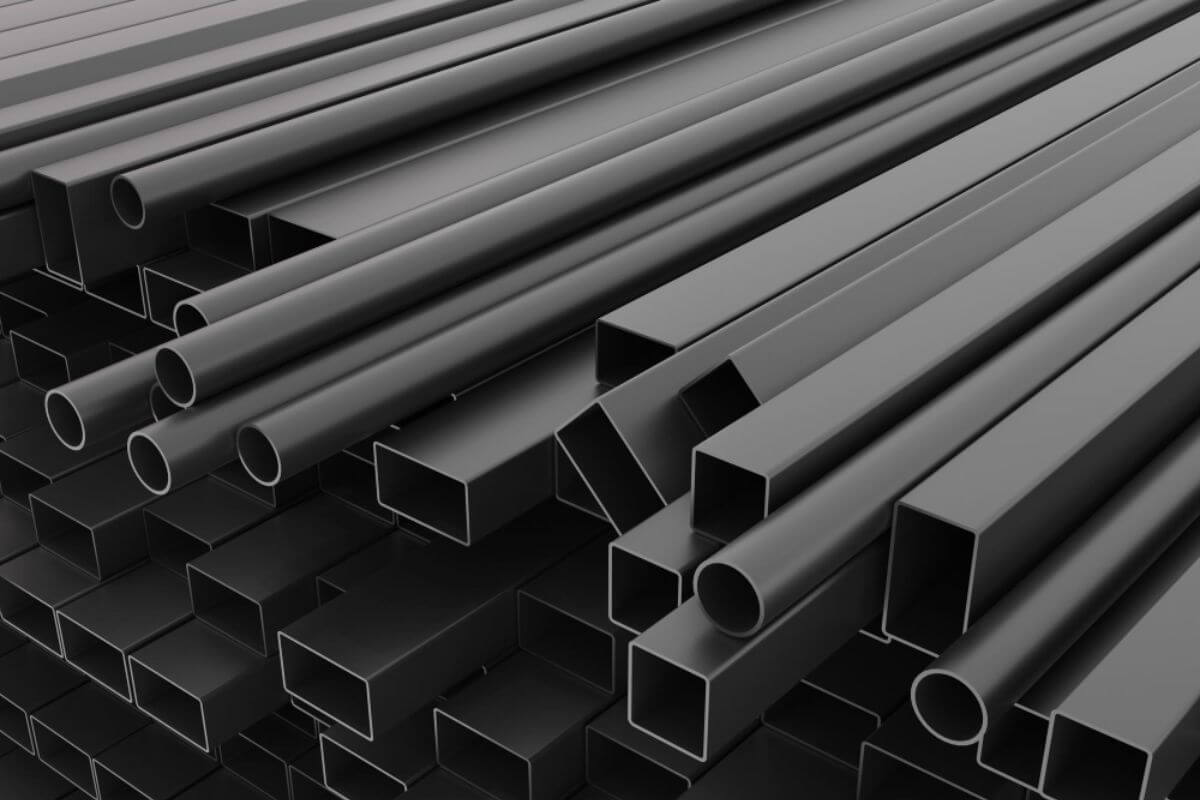
Carbon steel, also known as mild steel, is composed of iron with a small amount of carbon. It provides a good balance of durability and workability, making it a go-to choice for different industrial applications.
Characteristics
It’s prized for excellent ductility and malleability, allowing it to be easily cut, welded, and shaped into distinct forms. It has moderate tensile strength and toughness that offer structural support and maintain workability for fabrication and assembly.
- Key Grades: Determine factors like strength, hardness, and weldability
- When to Use: Used for general structural frameworks, beams, columns, and non-critical load-bearing parts, where extreme strength or corrosion resistance is not the primary requirement.
High-Strength Low-Alloy (HSLA) Steels
HSLA steels are carbon steels enhanced with small amounts of alloying elements to improve strength and mechanical performance without adding extra weight. They are widely used in structural and industrial applications where durability, toughness, and cost-efficiency are important.
Characteristics
These are made with small amounts of alloying elements like chromium, nickel, or vanadium to give them higher strength and toughness. They remain lightweight and highly durable, which maintains their good weldability and resistance to corrosion and fatigue.
- Key Grades: They offer certain combinations of strength, ductility, and environmental resistance that allow engineers to match material performance to project needs.
- When to Use: Utilized for structural applications calling for higher strength-to-weight ratios, such as long-span beams, heavy-duty frames, and industrial facilities susceptible to environmental stress.
Weathering Steel
It’s a kind of alloy steel made to form a sturdy, protective rust layer on its surface when exposed to the atmosphere. This layer prevents further corrosion, which minimizes the need for painting or coating while maintaining structural integrity.
Characteristics
This steel develops a safeguarding rust layer that slows corrosion, making it low-maintenance in outdoor settings. It also delivers great strength and toughness while withstanding atmospheric deterioration better than conventional carbon steel.
- Key Grades: Weathering steel’s key grades differ in chemical composition and corrosion resistance properties, making the selection of the right steel crucial.
- When to Use: It’s suitable for infrastructure projects like bridges, outdoor and industrial buildings, and storage tanks, where alternating wet and dry conditions are rampant.
Quenched and Tempered Alloy Steel
These are heat-treated steels that have been promptly cooled (quenched) and then reheated (tempered) to achieve high strength and hardness. This process improves their mechanical properties, making it suitable for heavy-duty structural and industrial applications.
Characteristics
This is popular for its excellent strength, toughness, and resistance to wear and impact. The heat treatment used in processing this also improves its durability, making it ideal for high-stress structural applications.
- Key Grades: Its grades vary in strength, durability, and chemical composition to suit diverse engineering demands, allowing designers to choose the right material for heavy-duty applications.
- When to Use: Best used for bridges, cranes, heavy machinery frames, and structural components subjected to high stress or impact.
When to Use Specific Forms
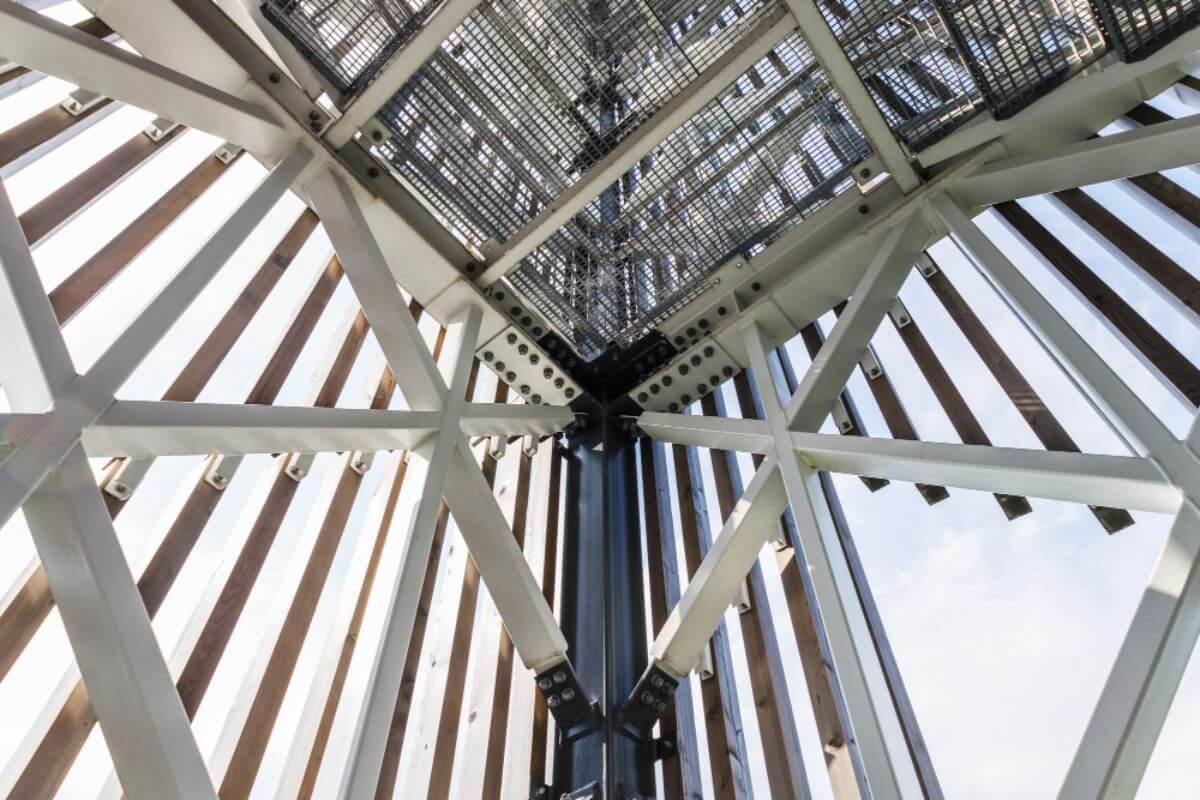
Selecting structural steel is essential for ensuring safety, performance, and cost efficiency in any project. Understanding when to use each steel type helps align material properties with load requirements, environmental conditions, and fabrication needs.
- I-Beams are designed to support loads over long spans, making them ideal for building frameworks, bridges, and industrial floors where strong horizontal support is required.
- H-Piles are used in deep foundation systems, transferring structural loads into deeper, more stable soil layers, especially in weak ground conditions.
- Hollow Structural Sections (HSS), which include square, rectangular, or circular tubes, are commonly used for columns, trusses, and frames due to their uniform strength in multiple directions.
- Angles and Channels are typically used for secondary structural components, providing support and reinforcement in walls, roofs, and machinery frames, as well as in light to moderate load-bearing applications.
- Plates are suited for heavy-duty uses requiring flat, solid surfaces, such as base plates, bridge components, and structural reinforcement, and are also used in custom-fabricated parts where thickness and strength are essential.
- I-Beams: Supports loads over long spans like building frameworks, bridges, and industrial floors, making it ideal for horizontal structural applications.
Summary of Differences and Uses
Understanding the distinctions between structural steel types and forms is essential for making informed decisions that balance strength, durability, and cost. This section emphasizes the variations and practical applications of each steel type, helping contractors choose the right material for their specific projects.
| Type | Key Properties | Primary Use Scenario |
|---|---|---|
| Mild Steel | Affordable, easy to fabricate, ductile, moderate strength | General construction, structural framing, beams, columns, and light-to-medium load-bearing applications |
| HSLA Steel | High strength-to-weight ratio, improved toughness, corrosion resistance | Bridges, industrial structures, high-load frameworks, and applications |
| Q and T Steel | Very high strength, hardness, and impact resistance | Heavy-duty machinery, structural components subjected to extreme loads, and wear-resistant applications |
| Stainless | Corrosion-resistant, durable, maintains strength under harsh conditions | Chemical plants, food processing, coastal or marine structures, decorative or exposed structural elements |
| Weathering | Forms a protective rust layer, reduces maintenance, high durability | Bridges, outdoor structures, storage tanks, or industrial facilities exposed to the elements |
Key Takeaway
Mastering how structural steel types differ and when to use them empowers developers and contractors to build safer, more efficient establishments. By aligning product properties with project requirements like load-bearing, environmental exposure, and fabrication needs, you optimize performance, cut expenses, and ensure longevity in every application.
Ready to source the right structural steel? Regan Industrial Sales Inc. offers certified products, expert guidance, and reliable supply for your next project. Contact us today for a free consultation and elevate your construction with precision-engineered materials!


