 Blog-manager
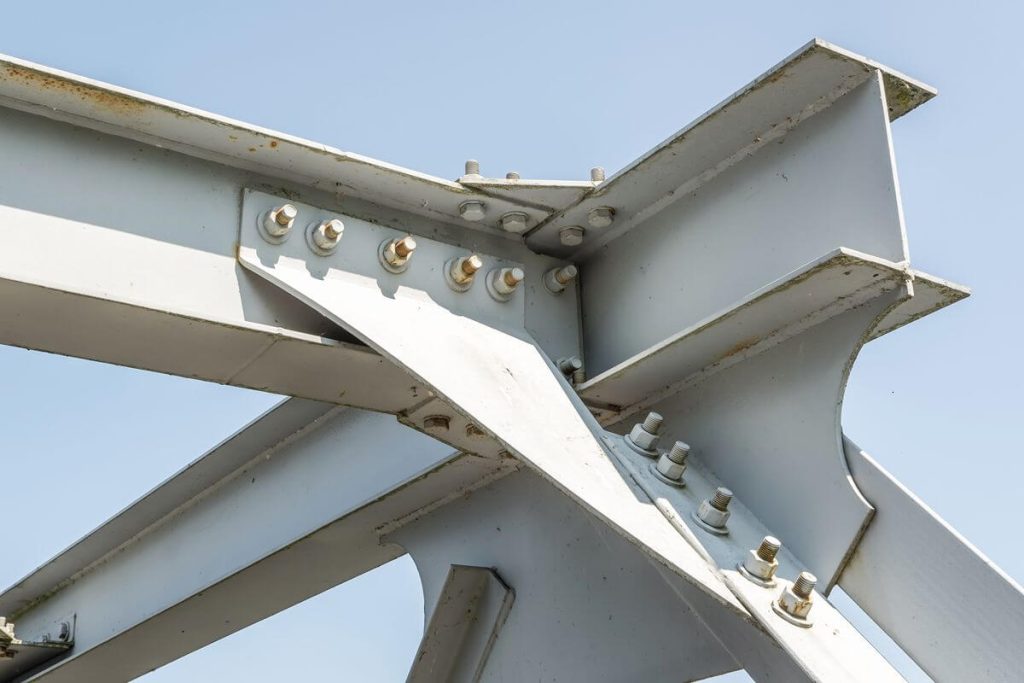
How Steel Selection Affects Building Safety in Calamity-Prone Areas
How does steel selection affect building safety in calamity-prone areas?
- Earthquake and seismic zones
- Typhoon and high-wind areas
- Flood and coastal zones
Overview
- Building resilient structures in the Philippines requires selecting structural steel that can withstand local hazards like earthquakes, typhoons, and flooding.
- High ductility absorbs seismic forces, strong tensile properties withstand typhoon winds, and protective coatings resist coastal corrosion.
- Regan Industrial supplies quality steel solutions to ensure long-term structural safety.
Construction in the Philippines means designing for earthquakes, typhoons, flooding, and other natural hazards that can affect a building’s long-term safety and performance. Because each disaster places different demands on a structure, selecting the right structural steel is an important part of resilient construction.
How steel selection affects building safety in calamity-prone areas depends on the material’s ability to withstand these conditions while maintaining structural integrity.
If you’re looking for high-quality structural steel for your projects, Regan Industrial offers reliable steel solutions for a wide range of construction applications.
Earthquake and Seismic Zones
Buildings in seismic zones must withstand sudden ground movement that places structural members under repeated tension, compression, and lateral forces. Choosing steel with sufficient ductility, including certain grades of stainless steel and other structural steels designed for demanding applications, allows structural members to bend and absorb seismic energy instead of fracturing during an earthquake.
Selecting steel that meets established seismic and mechanical property requirements, such as ASTM A992 structural steel used for rolled wide-flange beams and columns, helps ensure reliable performance under multi-directional loading.
Together, these characteristics allow structural components to deform in a controlled manner while maintaining their load-carrying capacity. For structures exposed to seismic activity, appropriate steel selection improves structural stability and reduces the likelihood of sudden structural failure.
Typhoon and High-Wind Areas
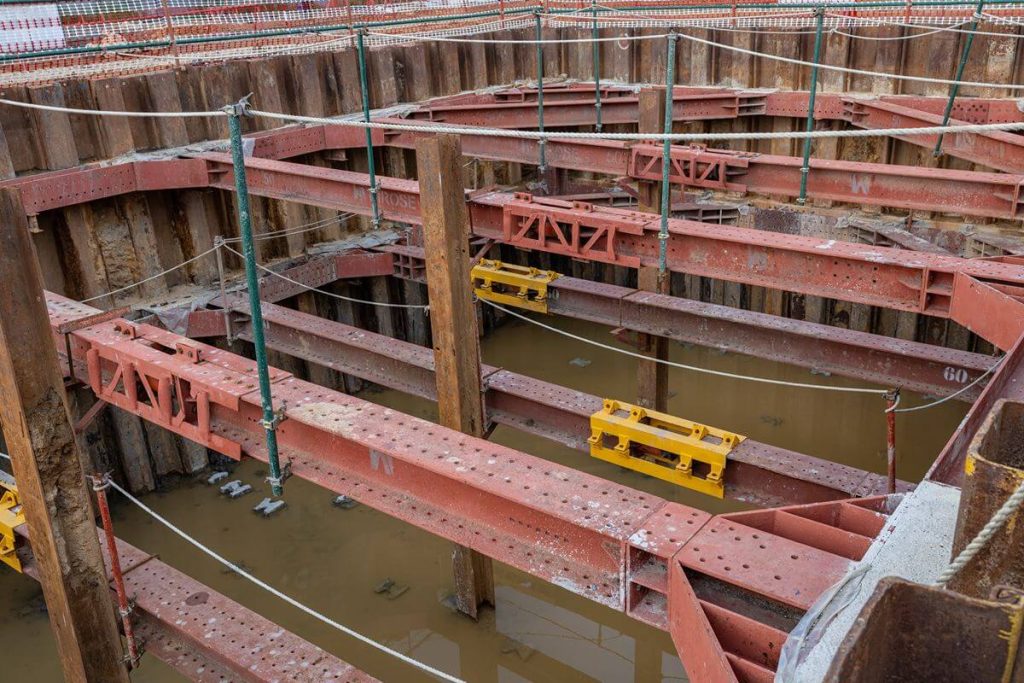
Strong typhoons subject buildings to continuous wind pressure, uplift, and lateral forces that place significant stress on the structural framework. Steel selection influences how well these forces are managed because members with adequate tensile strength can better resist the pulling and bending effects created by powerful winds.
Selecting steel with the appropriate strength and structural properties also supports rigid beam and connection systems that help the framework remain intact under changing wind loads.
As typhoons become more frequent across the Philippines, choosing steel suited for high-wind applications helps maintain structural stability and improve overall building performance during severe weather events.
Flood and Coastal Zones
Environmental conditions in flood-prone and coastal areas expose steel structures to standing water, high humidity, and salt-laden air that accelerate corrosion over time. Selecting steel with suitable corrosion protection, such as galvanized or coated steel, helps create a protective barrier that slows rust formation and reduces material deterioration.
Maintaining the steel’s integrity allows structural members to retain their strength and load-carrying capacity despite prolonged exposure to harsh conditions. Proper steel selection improves durability, extends service life, and supports safer long-term structural performance in environments exposed to frequent moisture and corrosive conditions.
What Properties Should You Look for in Structural Steel?
When selecting structural steel, look for these key properties to help ensure reliable performance in calamity-prone environments.
Strength and Load Capacity
The strength and load capacity of structural steel determine how well it supports a building under both normal and extreme conditions. Steel should withstand dead loads, live loads, and additional forces generated during earthquakes, typhoons, or flooding without excessive deformation.
Choosing steel with appropriate mechanical properties, such as ASTM A992 Grade 50 structural steel, helps structural members resist gravity, wind, and seismic loads while maintaining their structural integrity before significant deformation occurs.
Ductility
Instead of failing suddenly under extreme forces, ductile steel can deform while maintaining its structural integrity. This allows structural members to absorb and redistribute energy generated during earthquakes or strong winds, reducing the risk of brittle fractures. Greater flexibility also helps the framework respond more effectively to temporary movement while preserving overall structural stability.
Corrosion Resistance
Exposure to moisture, humidity, heavy rainfall, and salt-laden air can gradually weaken structural steel through corrosion. Steel with suitable corrosion resistance or protective coatings, such as galvanizing, is better equipped to withstand these conditions, slowing rust formation and deterioration. Preserving the material’s integrity helps maintain its strength, durability, and load-carrying capacity over a longer service life.
Consistent Material Quality
Consistent material quality helps ensure structural steel performs as intended throughout a project. Uniform strength, dimensions, and mechanical properties allow structural members to respond predictably under design loads while supporting quality control during fabrication and installation. This consistency reduces material variations that could affect the safety, reliability, and long-term performance of the completed structure.
Common Structural Steel Used in Calamity-Resistant Construction
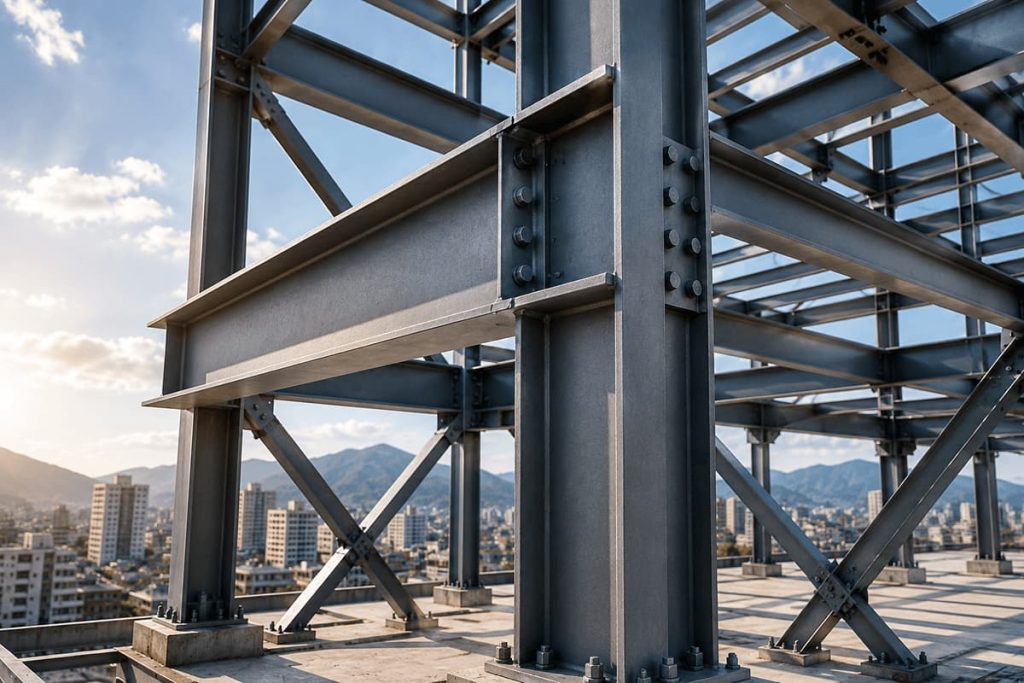
The following are some common structural steel products used to improve the strength and resilience of buildings in calamity-prone areas.
- Wide Flange Beams: Commonly used as beams and columns to support heavy structural loads while resisting bending and shear forces.
- Deformed Bars: Reinforce concrete by improving tensile strength and helping control cracking under structural loads.
- Sheet Piles: Stabilize retaining walls and foundations by resisting soil movement, erosion, and water pressure.
- Square and Rectangular Tubes: Provide strong, rigid framing for buildings and structures exposed to lateral loads and harsh environmental conditions.
Key Takeaway
The different hazard conditions discussed above demonstrate how steel selection affects building safety in calamity-prone areas by influencing a structure’s strength, durability, and ability to withstand earthquakes, typhoons, flooding, and coastal exposure.
Proper material selection, together with sound engineering design and compliance with applicable standards, remains essential to resilient construction in the Philippines.
If you’re looking for high-quality structural steel for your next project, Regan Industrial offers a wide range of products to support commercial, industrial, and infrastructure applications. Contact us now to discuss your steel needs.


