What are the risks of using the wrong steel beam for structural projects?
- Structural failure and collapse
- Safety hazards and fatalities
- Reduced load-bearing capacity
- Excessive deflection and vibration
- Premature corrosion and deterioration
- Long-term maintenance and costly repairs
- Non-compliance with building codes
Overview
- This article outlines the risks of using the wrong steel beam for structural projects, including structural failure, safety hazards, reduced load-bearing capacity, excessive deflection, corrosion, and costly repairs. It also highlights compliance issues and incorrect usage scenarios.
- Choosing proper steel from trusted suppliers like Regan Steel ensures safer, durable, and compliant construction outcomes.
The stability of any structure depends on the proper selection of steel beams. Using the incorrect type or size can weaken load-bearing capacity and create structural vulnerabilities that may lead to cracks, excessive deflection, or failure.
This article explores the risks of using the wrong steel beam for structural projects, highlighting how improper selection can affect safety, performance, and long-term durability.
For dependable, professional-grade solutions, Regan Steel, a steel supplier in the Philippines, provides a wide range of beams that meet strict strength and durability standards. Partnering with us helps contractors ensure safer, longer-lasting structures while reducing risks linked to incorrect steel selection.
Structural Failure and Collapse
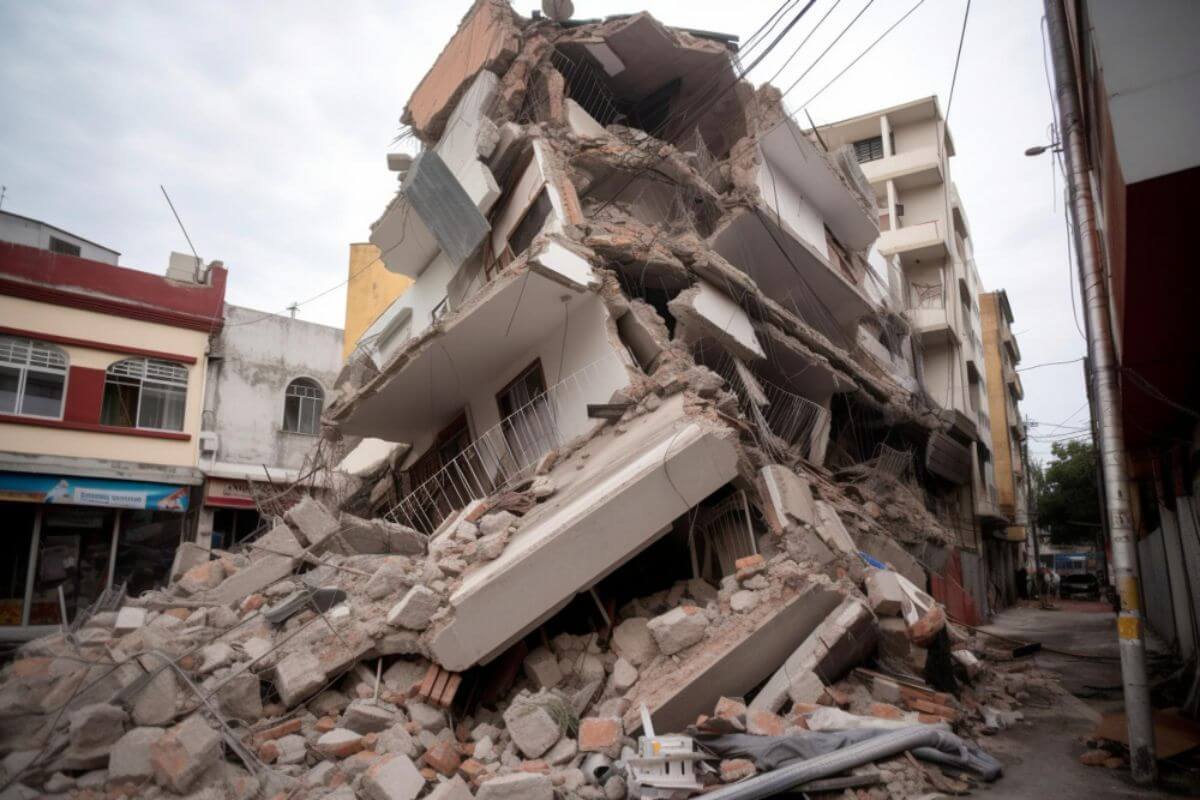
Structural failure occurs when a building’s framework can no longer support the intended loads, resulting in partial or total collapse. A steel beam that is undersized, low-grade, or incompatible with the design can create weak points where stress concentrates, increasing the likelihood of cracks, bending, or breakage.
This may present as sagging floors, cracked walls, warped roofing, or unstable frameworks during construction or after occupancy. Ultimately, it is one of the most serious risks, as it endangers lives, damages property, and may lead to significant financial and legal consequences.
Safety Hazards and Fatalities
Substandard or incorrectly sized beams may buckle, bend, or fail without warning, increasing the risk of accidents, injuries, or fatalities. In practical scenarios, this may result in falling debris, collapsing scaffolding, or unstable floors and roofs during construction or building use.
Improper beam selection not only endangers lives but also exposes organizations to legal liabilities and reputational damage.
Reduced Load-Bearing Capacity
A poorly selected steel beam can significantly reduce a structure’s ability to safely carry intended loads. Beams that are undersized, made from inferior materials, or improperly installed may deform under pressure, transferring stress to other structural components.
This can lead to sagging floors, bowed roof trusses, or excessive vibration in key support areas. If left unresolved, these issues may require costly reinforcements, compromise structural stability, and increase safety risks for both workers and occupants.
Excessive Deflection and Vibration
Excessive deflection occurs when a steel beam bends beyond acceptable limits under load, while vibration refers to unwanted movement or oscillation within the structure. This may produce creaking, rattling, or humming sounds as the beam responds to weight or external forces such as wind or traffic.
Over time, persistent deflection and vibration can result in sagging floors, cracked surfaces, material fatigue, and higher maintenance costs. These issues are often linked to undersized beams, poor material quality, or incorrect design specifications.
Premature Corrosion and Deterioration
These issues occur when steel beams are exposed to moisture, chemicals, or environmental conditions beyond their protective capacity. Using low-quality steel accelerates rust formation and material degradation, weakening the structure over time.
Early signs include rust, pitting, flaking, or surface discoloration. If not addressed promptly, these conditions can reduce load-bearing capacity, increase maintenance costs, and shorten the overall lifespan of the structure.
Long-Term Maintenance and Costly Repairs
Using an unsuitable steel beam can introduce hidden weaknesses that emerge over time. These issues often require regular inspections, reinforcements, or corrective repairs to maintain structural safety and stability.
As time progresses, maintenance costs may increase due to added labor, materials, and operational downtime. Selecting the correct steel beam from the start helps avoid these long-term expenses and ensures a more durable and cost-efficient structure.
Non-Compliance with Building Codes
Incorrect steel beam selection may cause a structure to fail compliance with local building codes and engineering standards. If beams do not meet required specifications or load capacities, inspections may fail and redesigns may be necessary.
This can result in project delays, penalties, legal issues, or restricted occupancy until compliance is achieved.
At Regan Steel Industry, we prioritize adherence to local and international standards. Our steel beams are engineered to meet strict quality and safety requirements, helping contractors ensure compliance while maintaining structural integrity.
Specific Scenarios of Incorrect Usage
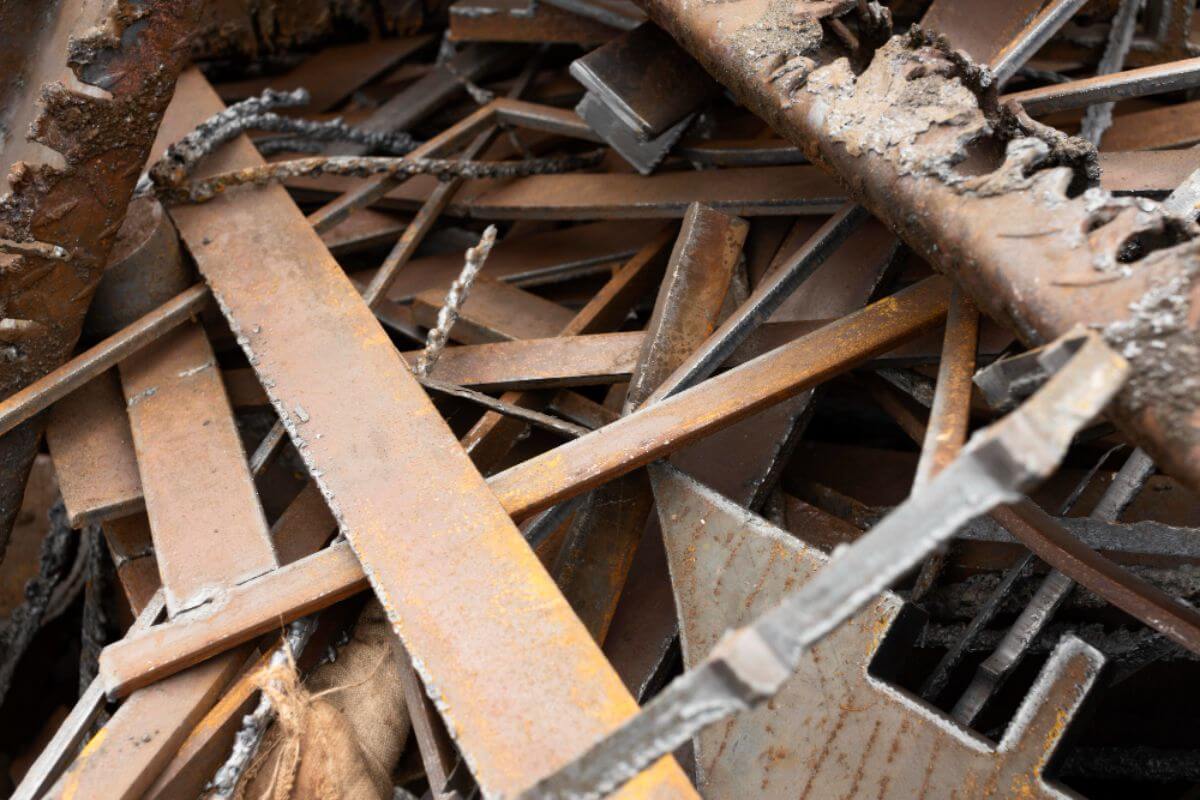
Opting for the inappropriate steel beam can have different consequences depending on the type of project and its structural demands. The following scenarios illustrate common mistakes in beam selection and how they can impact safety, performance, and longevity.
Undersized Beams
It’s when the chosen steel does not have sufficient dimensions or strength to support the intended load. This can lead to excessive bending, sagging, or even cracking under pressure. Undersized beams may cause floors to flex noticeably, roof trusses to bow, or support frameworks to deform gradually.
Oversized Beams
These are larger or heavier than necessary for a particular load or design. While they may seem like a safer choice, they can cause inefficient material use, unnecessary costs, and added weight that puts extra stress on foundations or connections.
In construction, oversized beams can complicate installation due to their bulk and may require additional handling equipment or labor.
Inappropriate Steel Grade
Beams that are too soft, brittle, or chemically incompatible can fail under expected loads or environmental conditions, compromising structural integrity. This inadequacy may result in cracks, excessive deflection, or accelerated corrosion over time.
At Regan Industrial, we ensure that every steel beam meets the appropriate grade and material standards for its intended application. By providing certified, high-quality steel, we help contractors and builders achieve long-lasting durability, reliable performance, and peace of mind, minimizing the risks associated with incorrect material selection.
Misaligned Connections
Even correctly sized and graded beams can underperform if connections are skewed, loose, or not properly aligned with the design specifications. The effects can include unexpected bending, excessive vibration, or joint failure, which compromise both stability and safety.
Key Takeaway
Now that you understand the risks of using the wrong steel beam for structural projects, it is important to consider where to source these materials.
Regan Steel is a supplier you can rely on. With our strong commitment to providing quality products, we help ensure your projects are durable and resilient. Reach out to us today to learn more about our offerings.