
How to choose steel pipes for water supply and irrigation systems?
- Consider the material
- Determine the diameter and wall thickness
- Evaluate coating options
- Assess jointing methods
- Assess pressure rating and flow requirements
- Evaluate longevity and maintenance
Water supply and irrigation systems play a vital role in providing water for our daily needs and sustaining agricultural fields. These systems rely on robust pipes that can ensure a continuous flow of water. Among the available pipe materials, steel pipes have become increasingly popular due to their exceptional durability, strength, and resistance to corrosion.
However, choosing the most suitable steel pipes for water supply and irrigation systems requires a thorough evaluation of several factors. In this blog post, we will delve into the complexities of selecting the right steel pipes for these systems. Before we delve into the selection process, let's start by defining what exactly an irrigation system and water supply entail.
What is an Irrigation System?
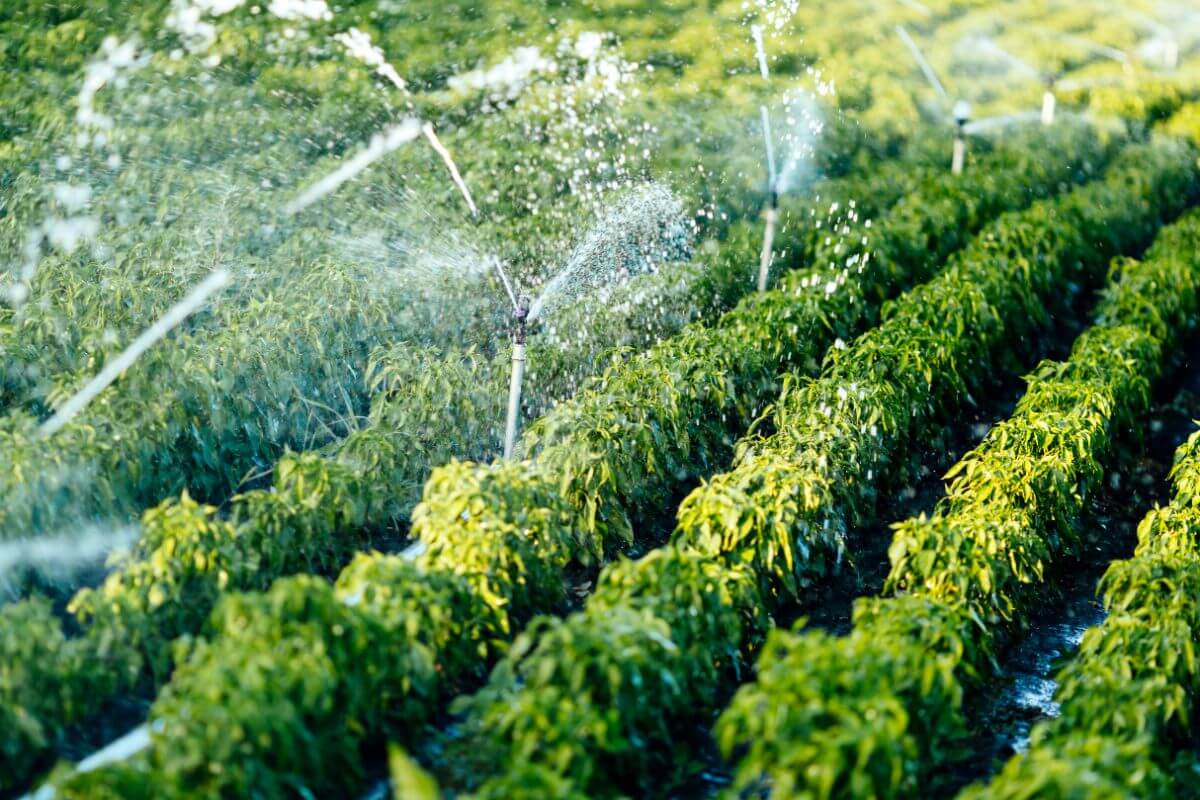
An irrigation system is a method of delivering controlled amounts of water to agricultural fields, gardens, or landscapes to promote healthy plant growth. These systems typically include a network of pipes, valves, sprinklers, or drip emitters that distribute water efficiently and effectively. Proper pipe selection is crucial in ensuring the irrigation system operates smoothly and provides adequate water supply to the crops or plants.
What is Water Supply?
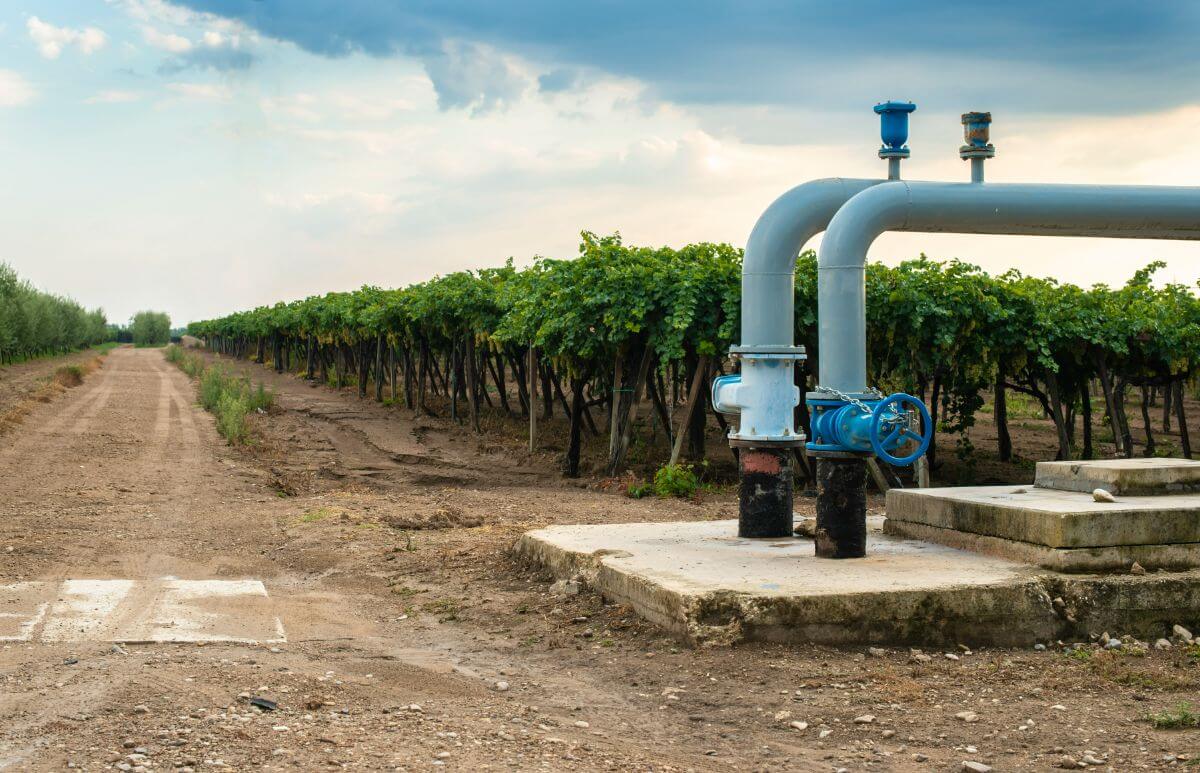
Water supply encompasses the infrastructure and processes involved in providing a dependable and safe water source for various purposes, including domestic, commercial, and industrial use. It involves the transportation of water from its natural sources, such as rivers, lakes, or underground reservoirs, to treatment plants, storage facilities, and ultimately to homes, businesses, and other establishments. Within the distribution network of water supply systems, steel pipes play a crucial role in ensuring the secure conveyance of water over long distances, minimizing loss and contamination risks.
Now that we have a better understanding of the importance of irrigation systems and water supply, let's explore the process of selecting the most suitable steel pipes for these critical applications.
Consider the Material
Steel pipes can be manufactured from various materials, each with its own properties. When selecting steel pipes for water supply and irrigation systems, it's crucial to choose a material that can withstand the specific conditions it will be exposed to. The two most common materials used for these applications are carbon steel and stainless steel.
Carbon steel - suitable for most water supply and irrigation systems, carbon steel pipes are cost-effective and have excellent strength. However, they are prone to corrosion, especially when exposed to acidic or alkaline environments. Applying protective coatings can help mitigate this issue.
Stainless steel - preferred for applications where corrosion is a major concern, stainless steel pipes offer superior resistance to rust and other forms of corrosion. They are particularly beneficial in areas with aggressive soil or water conditions. Although more expensive than carbon steel, stainless steel pipes have a longer lifespan and require less maintenance.
Determine the Diameter and Wall Thickness
The diameter and wall thickness of steel pipes play a crucial role in ensuring efficient water supply and irrigation systems. The size selection depends on factors such as the water flow rate, pressure requirements, and the distance the water needs to travel. Larger-diameter pipes allow for higher flow rates, while thicker walls provide increased strength and durability.
Consulting with engineers or referring to relevant standards and guidelines can help determine the appropriate pipe size based on your specific requirements. It's essential to consider factors such as soil conditions, potential pipe loads, and future expansion plans when determining the diameter and wall thickness.
Evaluate Coating Options
To protect steel pipes from corrosion and extend their lifespan, various coatings are available. Several coating options are available, each offering unique benefits. The commonly used coatings for water supply and irrigation systems include:
- Zinc coating - Also known as galvanization, this coating provides excellent corrosion resistance. It is commonly used for pipes installed underground or exposed to harsh environmental conditions.
- Epoxy coating - Ideal for pipes carrying potable water, epoxy coating forms a protective barrier that prevents corrosion and contamination. It is widely used in water supply systems.
- Polyethylene (PE) coating - Suitable for both buried and above-ground pipes, PE coating provides resistance to chemicals, abrasion, and corrosion. It is commonly used in irrigation systems.
Selecting the right coating depends on factors such as the specific application, soil conditions, and water quality.
Assess Jointing Methods
Water supply and irrigation systems heavily rely on the integrity of their pipelines. However, one common challenge faced by these systems is the potential for leaks. Proper jointing is important to ensure leak-free connections and maintain the overall integrity of the system. Steel pipes offer several jointing methods, including:
- Welded joints: This method involves welding the pipes together, providing a strong and reliable connection. Welded joints are commonly used in large-diameter pipes and high-pressure applications.
- Threaded joints: In this method, pipes are threaded and connected using threaded fittings. Threaded joints are suitable for smaller pipes and low-pressure applications.
- Flanged joints: Flanges are used to connect pipes, providing a secure and flexible connection. They are commonly used in situations that require periodic disassembly or maintenance.
Assess Pressure Rating and Flow Requirements
The pressure rating of steel pipes indicates the maximum pressure they can withstand without experiencing failures, while the flow requirements determine the volume of water that needs to be transported within a given timeframe.
It is crucial to choose steel pipes with a pressure rating that exceeds the maximum operating pressure of your system. This ensures safety and helps prevent potential pipe bursts or leaks. It's advisable to consult with engineers or refer to industry standards to determine the appropriate pressure rating based on your system's specific requirements.
You should also consider the flow requirements of your water supply and irrigation systems. Factors such as the number of outlets, distance covered, and desired flow rate influence the selection of pipe size. Opting for properly sized pipes is essential to minimize pressure loss and ensure an adequate water supply that meets the demands of the system.
Evaluate Longevity and Maintenance
Steel pipes, when properly coated and well-maintained, have a long lifespan. However, different materials and coatings offer varying degrees of durability and resistance to corrosion. Stainless steel pipes, for instance, have a significantly longer lifespan compared to carbon steel pipes. Consider the expected lifespan of the pipes based on the material and coating chosen, as well as the associated maintenance requirements.
Regular maintenance, such as inspections and cleaning, is essential to ensure the optimal performance and longevity of your water supply and irrigation systems. Inspecting for signs of corrosion, leaks, or damage and promptly addressing any issues can prevent costly repairs and system downtime.
Key Takeaway
Investing time and effort in selecting the appropriate steel pipes for water supply and irrigation systems is a crucial step that offers long-term benefits. Taking these steps to consider can reduce maintenance costs and ensure the smooth operation of your systems for years to come.
To ensure the best outcome, it is advisable to seek the advice of professionals or experts in the field. Their valuable insights and guidance, tailored to your specific needs, will help you make well-informed choices. With their expertise, you can create a water supply and irrigation system that not only stands the test of time but also effectively meets your agricultural, landscaping, or industrial requirements.
Seeking advice for the best steel pipes that suit your needs? Regan Industrial Sales Incorporated, as a trusted steel product supplier in the Phillippines, offers expert guidance and a wide range of high-quality steel products. Visit our website or reach out to us to get started. Partner with us for all your steel pipe needs.