 Blog-manager
The Role of Angle Bars in Modern Philippine Building Frameworks
What is the role of angle bars in Modern Philippine building frameworks?
- Bracing and lateral support
- Structural framing
- Concrete reinforcement
- Support systems
- Door and window frames
- Architectural and non-structural uses
Overview
- Angle bars play a vital role in modern Philippine building frameworks by reinforcing connections, providing bracing and lateral support, and enhancing structural stability.
- Used in framing, concrete reinforcement, support systems, and openings, they improve durability, safety, and load-bearing capacity across residential, commercial, and industrial projects while ensuring long-term performance.
Infrastructure development in the Philippines continues to expand across commercial, industrial, and public sectors. As demand grows, builders require stronger, more stable frameworks that can withstand the country’s humid climate, typhoons, and seismic activity.
Angle bars support structural integrity by reinforcing connections, carrying loads, and strengthening modern construction systems.
Building on their importance, this article explores the role of angle bars in modern Philippine building frameworks and how they contribute to safer, more durable, and efficient construction projects.
Bracing and Lateral Support
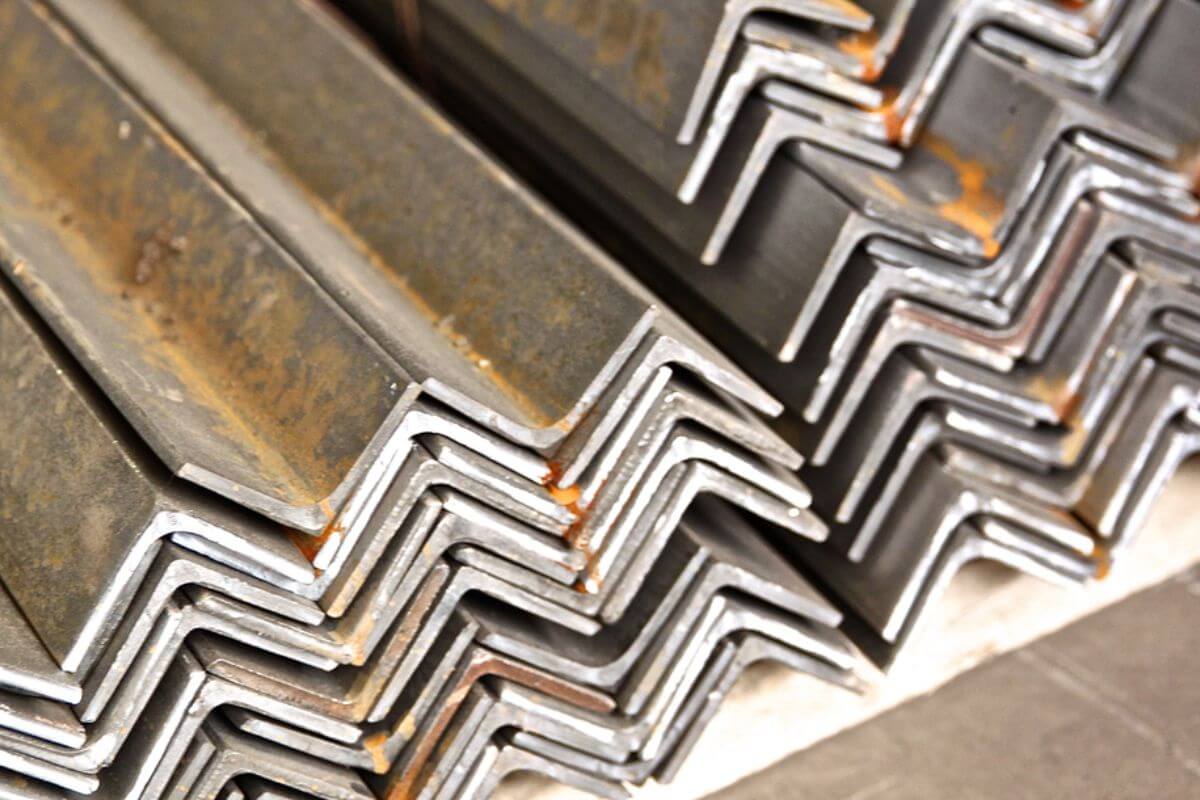
Angle bars provide essential bracing and lateral support by helping structures resist lateral forces from wind, earthquakes, and everyday structural movement, common challenges in the Philippines. Installed as diagonal bracing in frames, trusses, and walls, their L-shape distributes stress efficiently across connected components.
They also connect beams and columns to reduce sway and strengthen overall stability. In multi-story buildings and wide-span structures, uncontrolled lateral loads can compromise safety. Properly installed angle bar bracing maintains structural rigidity, balance, and compliance with engineering and safety standards.
Structural Framing
Usually used in structural framing, angle bars form strong connections between beams, columns, and girders. Their shape allows them to be bolted or welded at corners and intersections, creating a rigid framework that evenly distributes loads.
In low- to mid-rise buildings, these bars often serve as secondary framing members that support floors, walls, and roofing systems. They are especially useful when space is limited, and larger sections aren’t practical.
When integrated into framing system, you gain flexibility in design while maintaining structural strength, an advantage for commercial and industrial projects across urban and provincial sites.
Concrete Reinforcement
Angle bars are commonly embeded in slabs, footings, staircases, and beam edges to help concrete handle tension and prevent chipping. In Philippine construction, where temperature changes and moisture exposure are common, it helps control stress and extend service life.
They work alongside rebars by reinforcing areas that standard round bars can’t fully protect. Using them in concrete reinforcement allows you to improve durability, reduce maintenance issues, and ensure your structure performs well under both load and environmental conditions.
Support Systems
Angle bars are commonly used in support systems for platforms, catwalks, mezzanines, storage racks, and equipment bases. They are commonly chosen because they deliver solid load support without adding unnecessary weight to the structure. Their L-shaped cross-section, with two perpendicular legs, allows one side to carry vertical loads while the other provides lateral stability.
This design allows angle bars to be securely bolted or welded to floors, walls, or columns while keeping components properly aligned. In industrial facilities and warehouses, they support machinery, cable trays, piping, and ventilation systems, ensuring that loads are efficiently transferred to the main structure and reducing stress on primary beams.
Door and Window Frames
Angle bars strengthen door and window frames by creating straight, durable edges that maintain alignment over time. They reinforce openings in residential and commercial buildings, reducing the risk of warping, cracking, or misalignment caused by frequent use or structural movement.
Common in steel-framed and mixed-material structures, angle bars improve installation accuracy and help distribute loads away from openings, increasing wall strength. Their durability also supports long-term stability in the Philippines’ humid climate and changing temperatures, minimizing maintenance and repairs.
Architectural and Non-Structural Uses
Stair railings, handrails, sunshades, canopies, ceiling supports, signage frames, and façade details, are some of the most often used way for angle bars. This is because the material provides clean lines, easy fabrication, and a modern industrial look that suits commercial and mixed-use developments.
Because angle bars are easy to cut, bend, and weld, they are ideal for customized designs without compromising strength. Using angle bars for architectural purposes allows builders to balance aesthetics and durability while keeping costs manageable and construction efficient.
Common Applications of Angle Bars in the Philippines
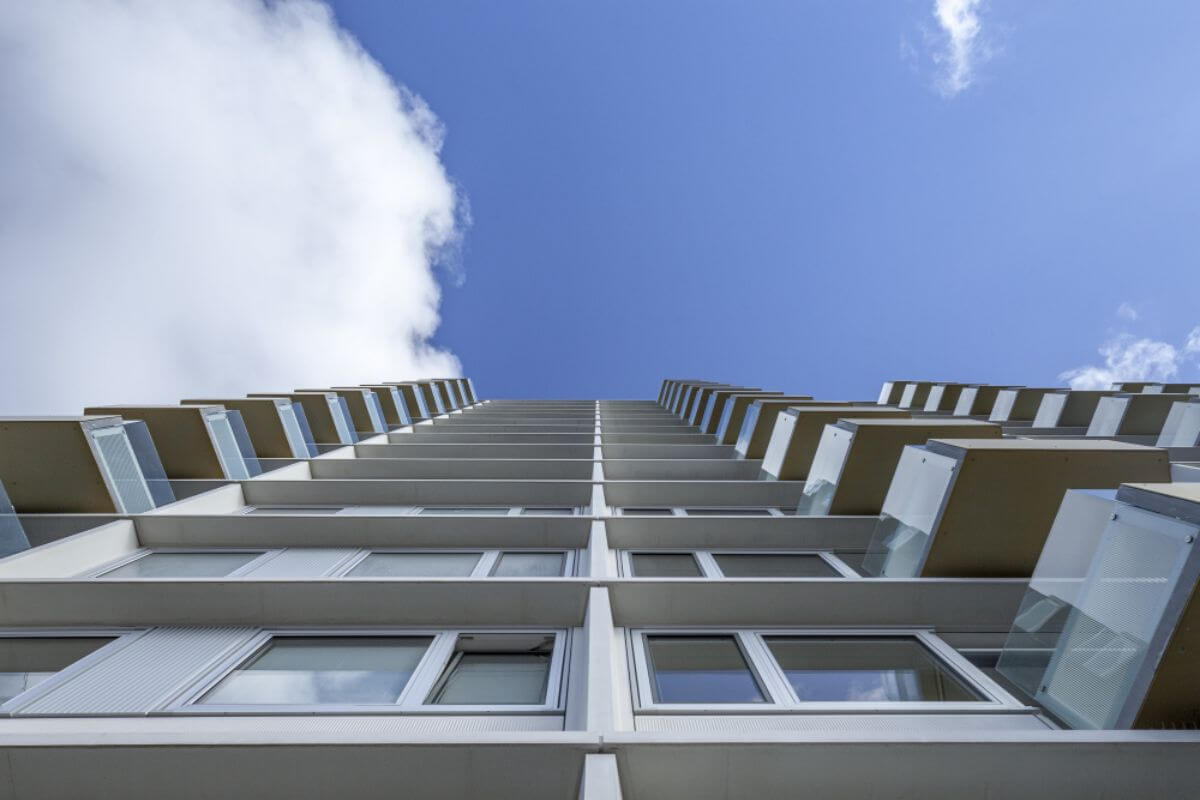
Here are some common applications of angle bars common applications of angle bars in the Philippines:
- Residential buildings: Angle bars are used for framing, bracing, and supporting doors, windows, and roof structures to improve strength and stability.
- Commercial and industrial structures: They provide reliable support for frames, racks, platforms, and equipment bases where durability and load-bearing capacity are required.
- Infrastructure projects (warehouses, bridges, platforms): Angle bars help reinforce structural connections and support heavy loads, ensuring safety and long-term performance.
Key Takeaway
The role of angle bars in modern Philippine building frameworks centers on improving stability, supporting structural loads, and reinforcing key connections. These functions apply across residential, commercial, and industrial projects. Proper use enhances durability, increases safety, and supports long-term structural performance in local conditions.
Partner with Regan Industrial Sales, Inc. to access high-quality angle bars and expert guidance. Our team helps ensure your projects meet strict engineering standards. Contact us today to source reliable materials that support safety, efficiency, and long-term construction value.


