What are pipe and tube cutting techniques?
- Abrasive cutting
- Cold saw cutting
- Band saw cutting
- Shearing
- Laser cutting
- Lathe cutting
- Chemical cutting
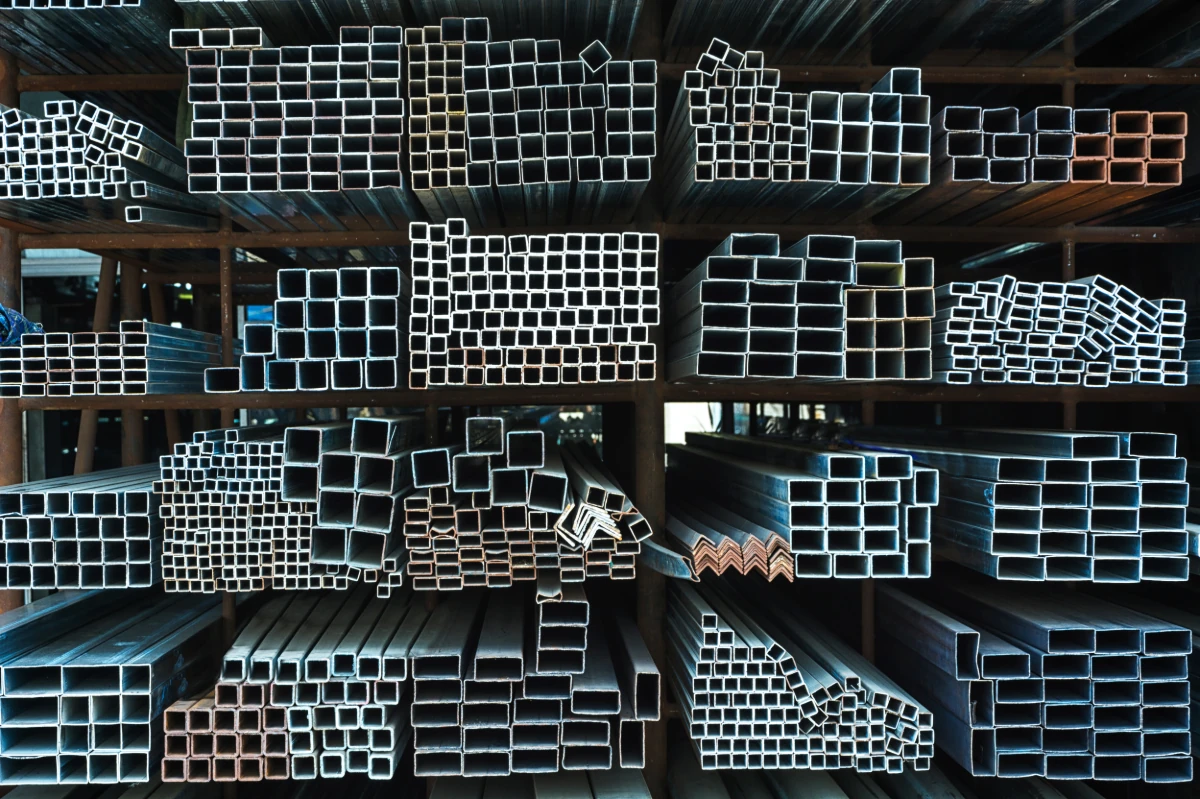
Pipe and tube cutting techniques are an important aspect of the metal fabrication industry. These techniques are used to create flow transmission pipelines, compressed air systems, plumbing parts, and more. However, pipes and tubes come in numerous forms, which influences how effective each approach is. To help you pick the best method for your pipes and tubes, here are the features of seven cutting techniques.
Abrasive Cutting
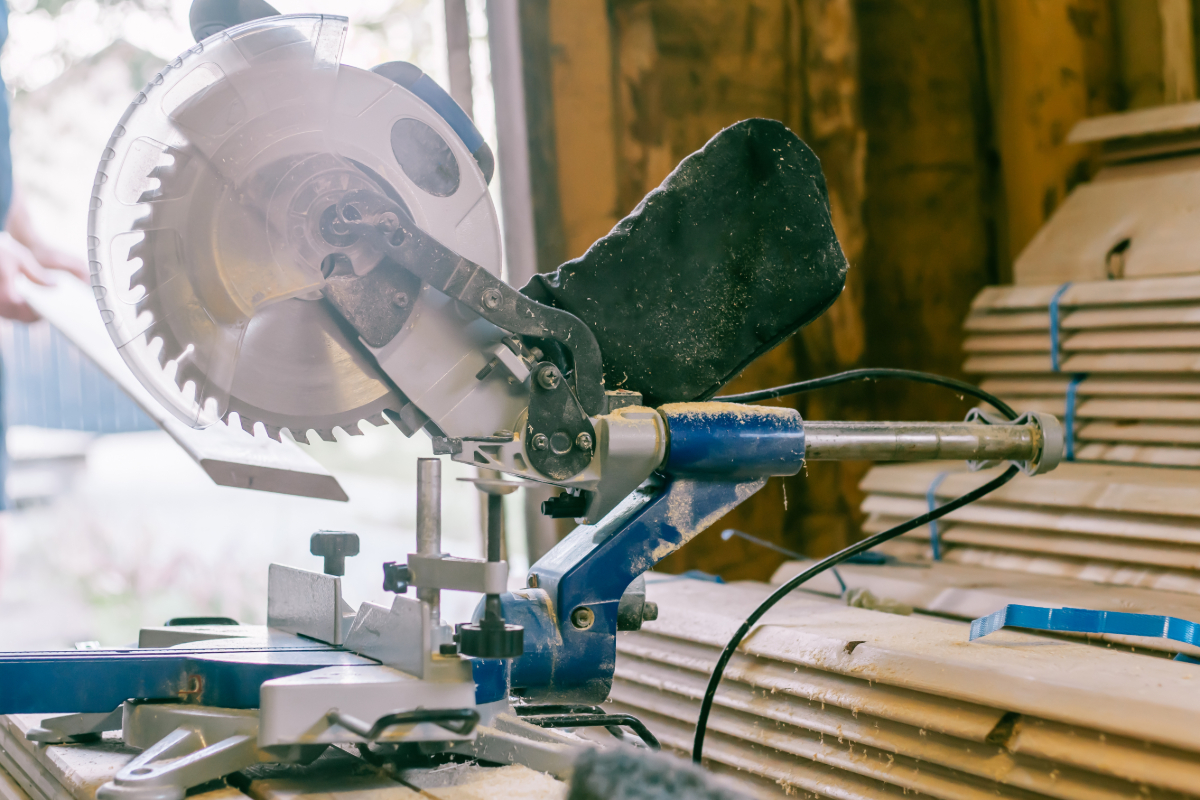
Abrasive cutting is a manual technique performed with an abrasive saw (also referred to as a chop or cut-off saw). This cutting machine uses an abrasive disc that grinds through the material to perform an incision. This technique works well for small product orders, as each cut has to be manually performed by an operator.
Abrasive saws can process tough materials, such as concrete, floor tiles, and certain metal alloys. The cut dimension of the machine depends on its disc and motor capabilities. Some machines can cut through materials as thick as 4 inches, while others can only cut through thin materials.
Abrasive cutting machines are designed to be simple to use with little to no planning needed. Additionally, this technique is cheaper than others and can quickly process small batches of materials. However, due to its abrasive disc, this technique is not heat tolerant, cannot work with tight tolerances, and can cause burrs and kerfs.
Cold Saw Cutting
Also known as cold sawing, this cutting method uses an automated machine operating a cold saw. A cold saw is a fixed circular blade that operates without heat and is kept functioning with a cutting lubricant.
This approach is best for thinly walled pipes and tubes with close tolerances. Cold saws can also cut several sections of piping and tubing at once. However, this machine can be limiting as it can only make perpendicular and square cuts.
On the other hand, because it does not use or generate heat, cold sawing performs cuts without leaving heat-affected zones. This can be a great benefit for some applications with sensitive materials. Additionally, cold-cut sawing creates fewer burrs and kerfs than other techniques, meaning it requires fewer finishing touches.
Band Saw Cutting
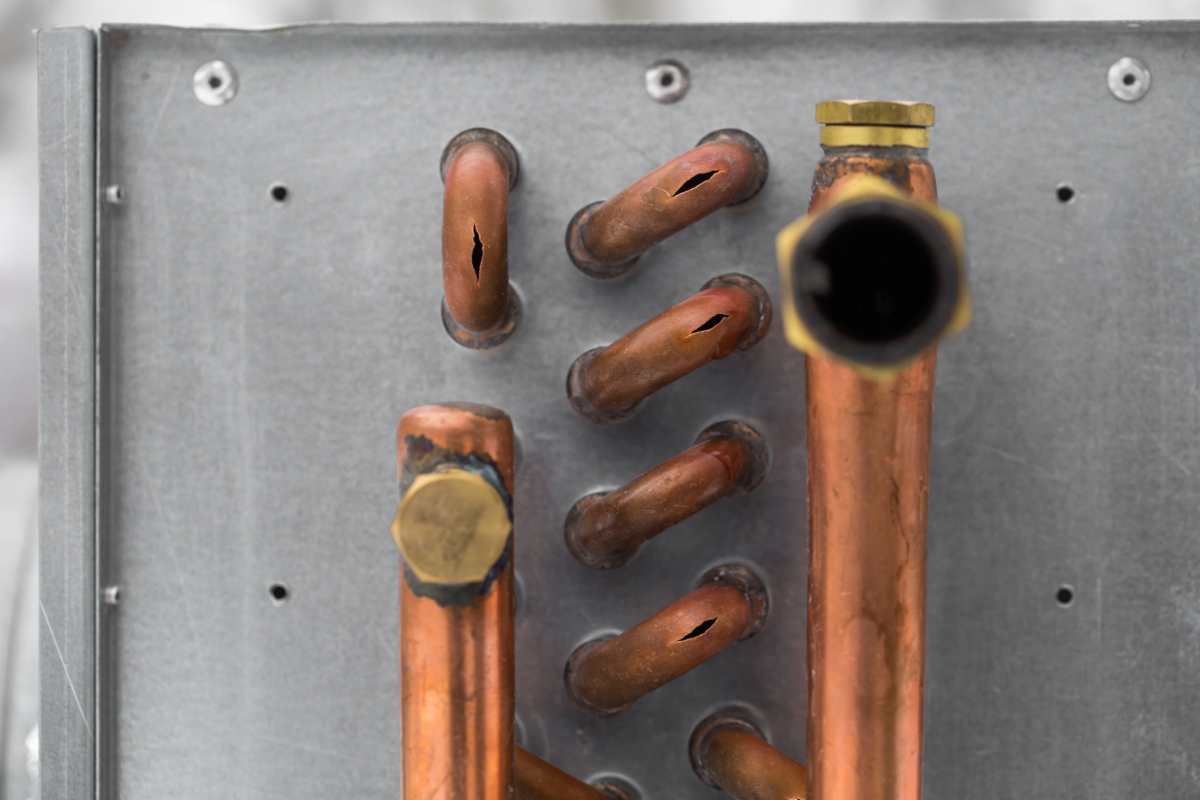
Band saw cutting features an automatic electronic process on an unending band blade. Depending on the model, band saws can rotate either vertically or horizontally using a two-wheel system. They also feature a variety of teeth profiles. Some models may have shuttles that allow them to cut pipes and tubes to almost any size.
Due to its features, this technique can handle a wide range of materials and is capable of creating different shapes. As a result, band saw cutting is regarded as the default process for cutting pipes and tubes.
One of the biggest advantages of this technique is its capabilities. It can easily create squares, channels, extrusions, and more out of any pipe or tube. Additionally, band saw machines are also compatible with CNC technology, making it an effective method. However, band sawing does not work as well with thinner-walled material. Furthermore, it can cause burrs and is less capable of cutting tight tolerances.
Shearing
Shearing is a pipe and tube cutting technique performed by a high-speed computerized machine. This machine uses two shear plates and ID punches operated under high tension. This system allows it to run much faster than other methods. One shearing machine can process up to 7,000 parts an hour.
Shearing machines are compatible with all materials of pipes and tubes, regardless of size or thickness. With its tension mechanism, it can cut material with maximum brink or limits not possible with other techniques.
The advantages of shearing are its agility and production volume. Additionally, shearing can operate with tight tolerances without its production rate being affected. However, one setback to this is its high tooling costs and low cost-effectivity for small volume runs.
Laser Cutting
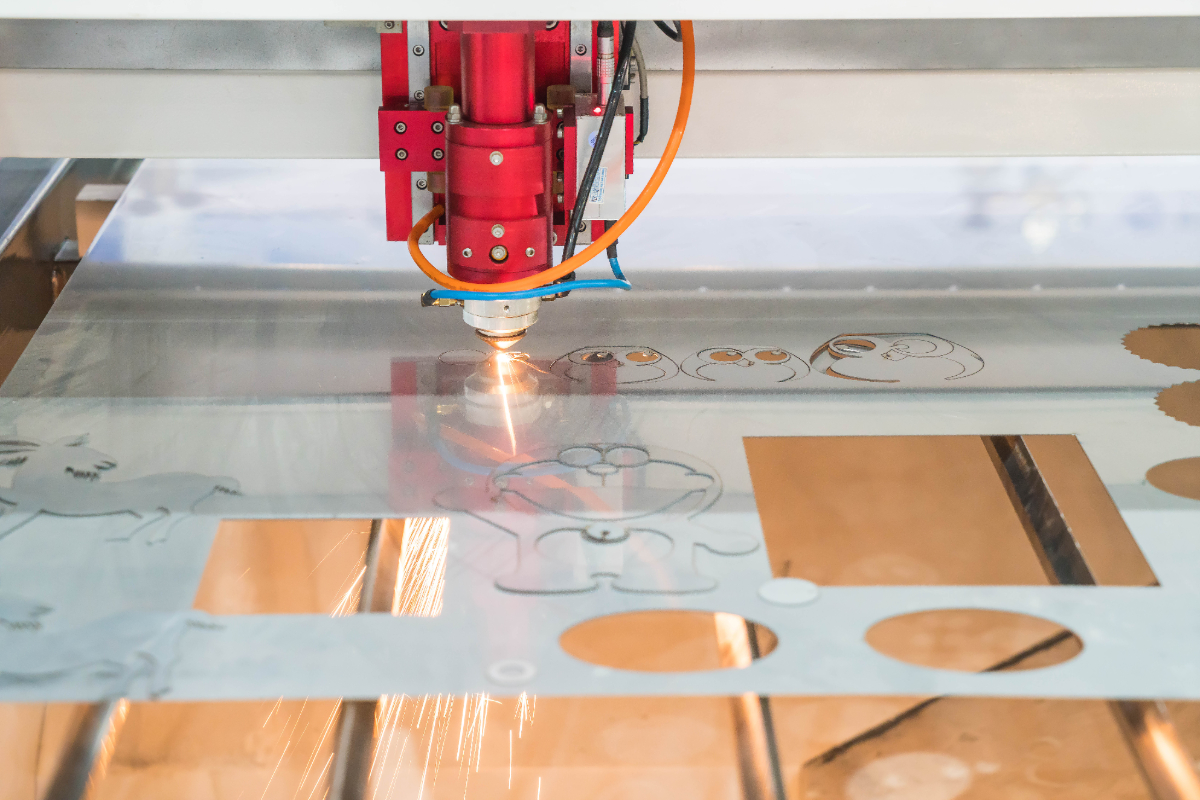
Laser cutting is performed with CNC-controlled laser beams, which cut with great precision. These cuts are performed with heat, thus resulting in less material distortion, kerf, and burrs.
Fabricators often use this technique on harder metal alloys. Additionally, because these machines are precise, fabricators can also create markings on pipes and tubes. Laser cutters can make number etchings, hole patterns, and other scores onto the material.
One possible disadvantage to using this method is its cost. Laser cutting machines are expensive and have a higher cost per piece for low-volume runs.
However, it also comes with a wider range of capabilities and associated benefits. Easily controlled with CNC, operators can process material efficiently and with less risk of defects. The results make it an excellent investment especially for high-volume runs.
Lathe Cutting
Lathe cutting is a partially automated cutting technique. It is performed using single-spindle lathe machines, where pipe and tube stock are sent through the spindle and held by a collet. The mechanism rotates the stock against the lathe tooling. As it revolves, the tooling cuts through the surface until the right dimensions are achieved.
Lathe machines are designed to accept additional tooling and slides. As such, secondary processes like deburring, boring, grooving, and chamfering can be performed by the machine.
One disadvantage to this method is that it takes a longer time to perform, and each machine can only process one product at a time. However, the tools used in this method are durable, so the machine is still capable of high volume runs, albeit at a slower pace.
Chemical Cutting
Chemical cutting is a common tube-cutting technique. In this approach, cutting fluid is applied through a nozzle against the walls of the pipe or tube. This reacts quickly against the material, generating intense heat. The heat separates the sections of the material smoothly without leaving an external flare.
This method can produce smooth cuts and generally has no downsides aside from the fact that it is a highly technical process. This is because chemical cutting is dependent on several production factors. These can slow down the process, or impair the effectiveness of the cutting fluid. Factors influencing this process are the orientation of the machine, the coverage of the cutting fluid, nozzle sizing, thickness of the material, and more.
Key Takeaway
Many factors are involved in choosing pipe and tube cutting techniques for manufacturing. These factors play into the cost, secondary process requirements, production volume, and other important aspects of your project.
With all the factors involved, the right methods must be used to create the materials you need. At Regan Industrial Sales Inc., we ensure that only the best techniques are used for our pipe and tube products. Send us a message here if you're interested in our steel solutions?