
What are factors that affect the cost of metal fabrication?
- Labor
- Material Costs
- Part Complexity and Design
- Production Volume
- Finishing
Fabrication projects need proper planning, and cost estimation and analysis is a core aspect of the planning process. When considering the price of the metal fabrication processes, advancements in technology and machines have allowed for more cost-efficient metal fabrication. However, there are many variables in your project that can drastically increase the price of the fabrication process, so it’s still valuable to know what can affect the bottom line. This post shows some of the common factors that affect the cost of metal fabrication to help you make your estimates for your project budget.
Labor
When considering labor needs, you include both human and mechanical labor in producing the part. The scale of human labor needed to complete the entire fabrication process from beginning to end will dictate the number of workers involved. The qualifications of these workers are also included in these costs, as the skills needed for using software and certain machinery will raise their labor fees. The more complex your design, the more highly skilled labor your project needs.
Other than that, we also have to consider the time that the parts will be processed or handled by a machine. Machine labor is another factor that can raise your costs. Factors such as how long the materials will take to process, the design specifications, and even the thickness and durability of those materials will affect how long and how frequently machines need to process your parts.
Material Costs

While this might be the easiest cost to predict and control, it’s important to do research on your material costs. The price of raw materials fluctuates at any given point in time, and this will affect overall pricing for metal fabricators. The transport needs of the chosen components will also inevitably affect costs, and the closer your metal fabricators are to their source, the cheaper those costs will be. Most metal fabricators can choose the appropriate materials for your project requirements, as well as the fabrication process needed in order to meet specifications. Based on these factors, any raw components used by the presented fabrication process will result in different cost estimates.
Different materials will be less expensive than others (such as engineering plastics versus steel). It is important to pick the one that closely matches or meets the properties and specifications you have in mind for your project, but keep in mind that choosing multiple materials to do the same job is also a possible option for you.
Part Complexity and Design
The requested design can greatly impact the costs of your project. Part complexity and design are how detailed or refined the parts of your design are, which affects the production steps and processes needed to produce these parts. A design requiring more cuts, mills, bends, and other processing is going to cost more as it spends more time on each machine and needs more physical handling. These types of designs also cost more as they tend to go through multiple design, prototype, and testing phases.
We also consider the accuracy needed to fabricate these designs. More complex designs require greater accuracy from both machine and worker. If greater accuracy is needed, then machining would be done at a slower pace and the part would need closer monitoring and more handling by the workers, which slows down production. Simply put, greater complexity requires more time to produce, and time affects the cost of your project.
Production Volume
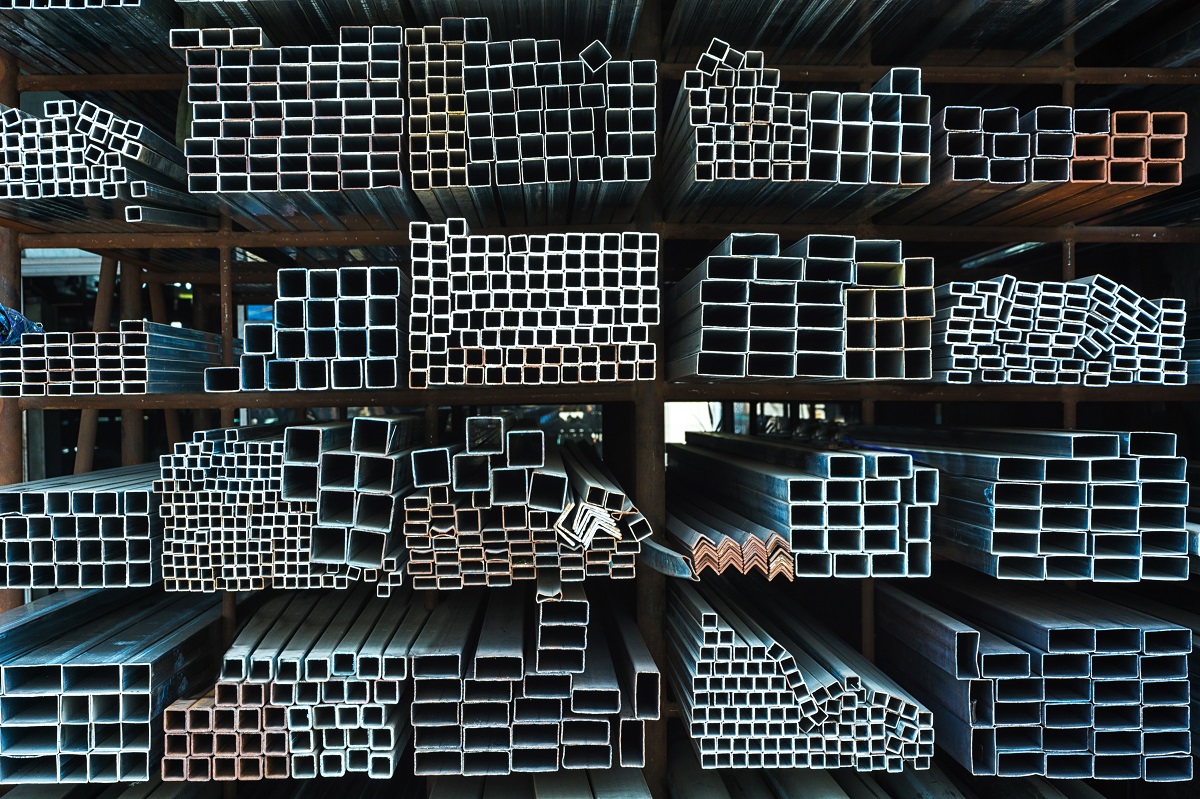
Naturally, the number of parts you want to be fabricated will affect the final costs. When you order a large amount of easily fabricated parts, the unit price is reduced. Conversely, when ordering a large amount of complex parts, the unit price may go up. This is where variable costs come into play.
When it comes to volume costs, there are two things to consider. The first is that the more parts you reproduce, the more the total costs will increase. The second is that the more parts you reproduce, the more the total costs per part will decrease. This is because the fabrication process will be getting multiple parts from the purchased materials and machines, thus the cost of creating each successive part is less than the first.
When there is a larger volume of parts, the fabrication process can also be optimized to maximize efficiency and reduce wastes over time. A larger volume can also lead to the negotiation of reduced costs from bulk orders of materials, tools, and other necessities for the project.
Finishing
Parts that are processed by manufacturing machines are going to need minimal finishing. This means that these parts will be smoothed or sanded down to take off rough metal edges. Your parts will likely need additional finishes, such as polishing, painting, marking, embossing, et cetera. These finishes are dependent on your project needs.
Achieving a particular texture, resistance or appearance will require more detailed finishing. Some finishing processes will need additional machines in order to achieve certain benefits such as chemical resistance, electrical conductivity, improved durability, or even a certain color or look.
Key Takeaway
Taking into account the factors that affect the cost of metal fabrication can help you determine the best cost estimation for your planned projects. The estimated costs can show you which factors have the biggest impact on your bottom line. By analyzing this, you can decide where to increase or reduce these costs depending on the needs of your project, and make the most effective choices when choosing your metal fabrication process.