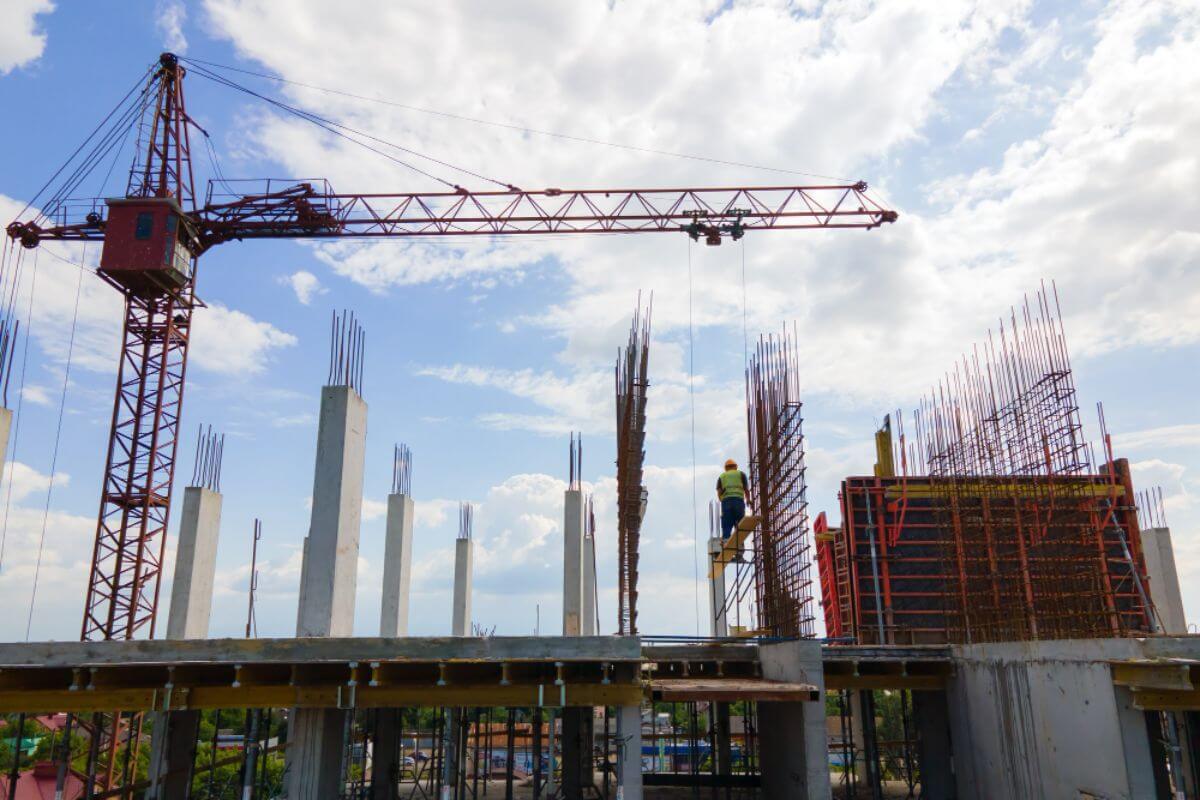
What are ways that metal fabrication benefits the medical industry?
- Reliable Tools and Equipment
- Shorter Turnaround Time
- Innovative Machinery
- High Accuracy
- Specialized Processes
- Metal Properties
There is no question that there are many ways that metal fabrication benefits the medical industry — which is why the two industries have been connected for decades. The medical industry is largely dependent on metal products, with a majority of their devices being made by way of different fabrication processes.
These components make up all sorts of machines, systems, and tools used by hospitals and clinics all over the world. With beneficial metal properties being processed by the latest software and advanced machinery, metal fabrication remains to be one of the best options to meet medical industry standards.
Reliable Tools and Equipment

All metal manufacturers can provide different services and fabrication processes. Choosing a reputable company will ensure that your orders are made with durable tools and equipment, which will influence the speed of production as well as the quality of the end-products. Any small inefficiencies or errors in production can lead to faulty tools and increase overall costs. The metal fabrication industry takes steps to avoid this from happening.
Medical equipment manufacturers are required to have some certification to produce instruments. The most relevant certifications for these services are ISO 9001, ISO 13485, ISO 14001, ISO 50001, and ISO 45001. Some manufacturers will go beyond the standard and have additional criteria to ensure quality. These stringent requirements help to create a robust industry fit for medical equipment production.
Shorter Turnaround Time
Time is of the essence when it comes to anything related to the medical industry. As such, fabricating new instruments, tools, and equipment needs to be done swiftly. Hospitals demanding new stock and supplies of equipment need to have their demands met as soon as possible, to service their patients with utmost efficiency. When using metal fabrication processes, medical companies can meet demands for supplies quickly.
This shorter production time also leads to a better turnaround time. The field of medicine develops at an alarming pace, and having quick production capabilities can help companies stay up to date with new technology and equipment. This can give your company more time to develop products, and stay on top of new care techniques.
Innovative Machinery
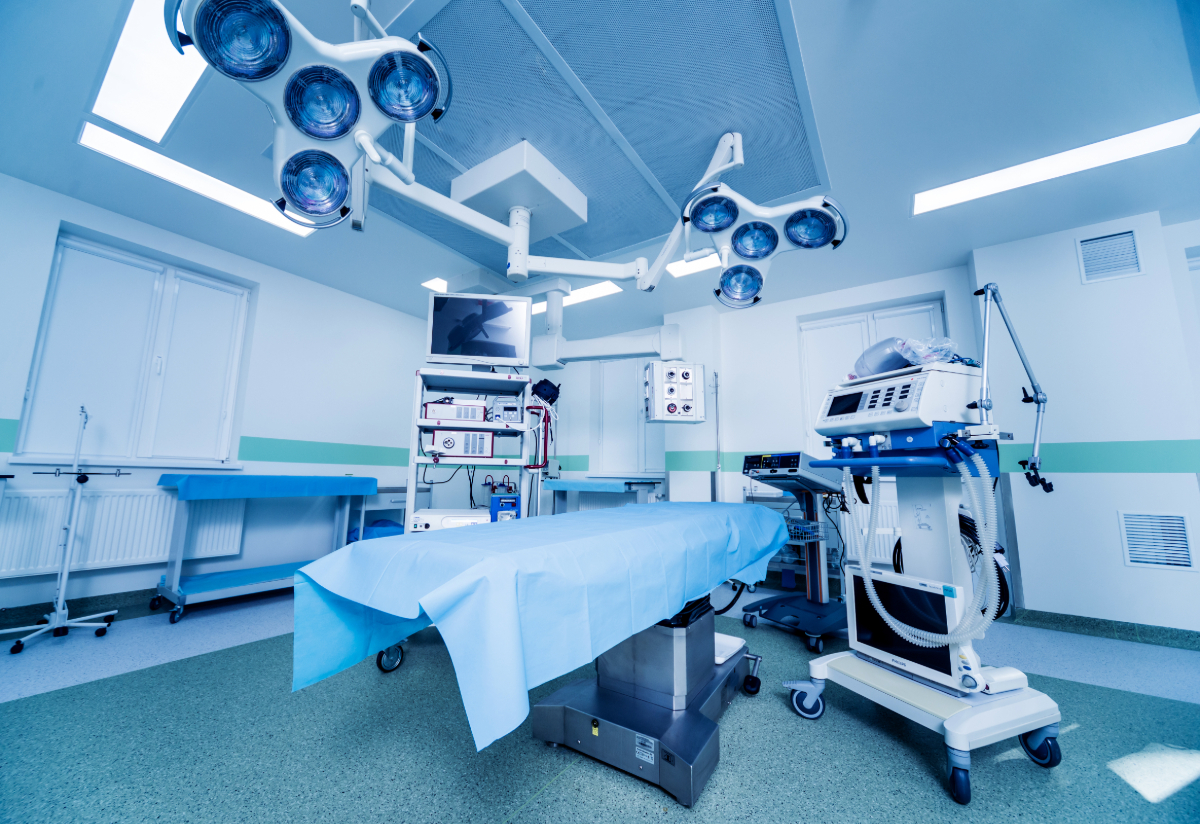
The metal fabrication industry is constantly innovating to keep up with new technology — especially those in the medical field. Currently, processes like laser cutting, metal stamping, and the like have become capable of creating thousands of highly detailed components in just a minute. This speed and accuracy are a huge advantage for companies in medicine and healthcare.
Aside from that, innovation has also led to the versatility of metal fabrication machines. New hardware and software allow for more designs that would have been difficult to create using traditional fabrication methods. Using these, metal sheets can now be cut and reformed into small, complex shapes to be used in refined medical devices and enclosures — which improves equipment and product design.
Automation and robotic capabilities provided by new metal fabrication technology are also making significant changes in medical treatments. Using these new products, treatment can be done in less time and with better quality. An example is medical supply drones and diagnostic machines that reduce face-to-face contact — instruments that are critical during a pandemic.
Most medical devices require an extensive range of custom-made metal components to function such as springs, brackets, gears — all parts made by metal fabrication. These pieces are made through specialized equipment, such as water-jetting and laser-cutting machines.
High Accuracy
Precision is key when it comes to any medical device. One unfinished edge or misshapen instrument can spell disaster for a patient. No changes can be taken when undertaking tasks like surgery, aftercare, and other medical procedures. To ensure patient safety, all medical tools should be made with high accuracy without compromising on quality.
With metal fabrication, many manufacturers conduct simulations before doing a production run. This helps to identify possible flaws before they happen, allowing designers ample time to solve the problem accordingly.
New technology, such as sensors and camera vision systems further supplement this. These devices can inspect the dimensions of the metal as they transition through machines, and identify faulty products before they leave the production line.
Additionally, most metal fabrication processes are now automated, which reduces human error greatly while improving accuracy. Automated machines can meet exact specifications while creating high volumes — far outstripping human labor capabilities.
Specialized Processes
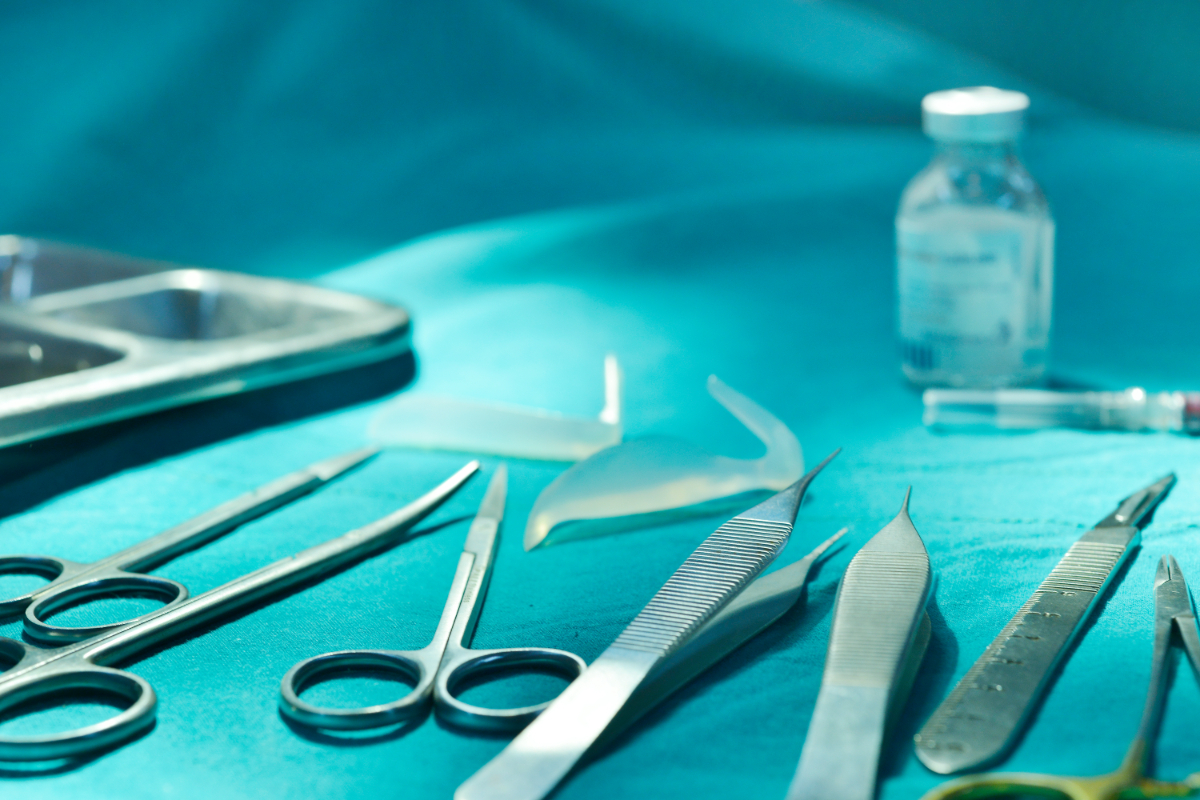
In metalworking, several machine components are created specifically for built-to-order parts. This means that these tools perfectly suit the specific needs of the customer — in this case, the medical industry. Custom metal fabrication can create any instrument needed to perform a precise function.
When ordering a medical instrument, you can have it especially designed by a metal fabrication team. They will ensure that the tool has a feasible design that can meet the needed functions. From there, they will set up a process using custom tools and applications to meet the set design. Request for specialized finishes and assembly processes for the medical instruments can also be requested if needed.
Metal Properties
The properties of the materials used in metal fabrication provide many benefits for the medical industry. This is why certain metals — such as stainless steel and titanium — have been so widely used in medical tools and equipment for years.
There are various products used in medical facilities that benefit from the properties of metal. Some lesser-known metal products are customized hospital beds, HVAC systems, medical carts, physical therapy equipment, among others. These products all utilize custom sheet metal fabrication.
Metals are highly beneficial to this industry due to many alloys being non-toxic, non-corrosive, and durable. These properties can make the alloys biocompatible and reduce the chances of allergic reactions or rejection by the patient. Metals can also be fashioned into implants as they can resist corrosion from bodily fluids and lower the risk of infection.
Metals like stainless steel are also known for their hygiene value — a quality of great importance for healthcare services. Medical instruments come into contact with chemical compounds such as iodine, blood, and bleach. As such, they need frequent disinfecting to avoid contamination and infection. As stainless steel requires less cleaning to become fully sterilized, this lessens the burden on the medical staff to clean and maintain it.
Key Takeaway
To summarize, there are numerous ways that metal fabrication can benefit the medical industry. This process provides accurate, innovative, and efficient deliveries of much-needed components and supplies for a fast-paced industry. As such, metal fabrication is often the best choice when producing new equipment and tools for the medical field.