What are the top design considerations for retaining walls?
- Drainage requirements
- Soil conditions
- Structural stability
- Wall type and materials
- Wall height and load pressures
- Site conditions
Overview
- Retaining walls are essential for slope stability and safety, especially in the Philippines’ rain-prone and uneven terrains, but careful planning is needed to ensure long-term performance.
- Key factors such as drainage, soil conditions, structural stability, wall type, materials, height, and site-specific characteristics all influence how well a wall withstands environmental pressures and loads.
- By considering these design elements, you can now build retaining walls that are durable, stable, and reliable, supporting safer and more successful construction projects over time.
In the Philippines, where heavy rains and landslides are common, structural integrity plays an important role in protecting sites and maintaining safety. Features such as retaining walls are a crucial element in construction, providing stability for slopes and supporting uneven terrain.
Despite careful construction, these walls can encounter challenges that affect performance and durability over time. In many cases, these challenges can create unexpected complications if they aren’t carefully considered from the start.
To help ensure that your build goes smoothly, in this article we’ll take a closer look at the top design considerations for retaining walls, exploring the key aspects that influence their strength, stability, and long-term performance.
Drainage Requirements
Drainage is a key design consideration for retaining walls because it directly affects how pressure builds behind the structure over time. Water that cannot escape from the retained soil increases lateral forces, which can influence stability and durability, especially during prolonged rainfall periods.
Design choices such as backfill material, placement of perforated pipes, and inclusion of weep holes all interact to manage this pressure. Evaluating drainage as part of the wall’s overall design helps anticipate how it will perform under varying soil saturation, reducing the likelihood of movement, cracking, or erosion over the long term.
Soil Conditions

Soil conditions are fundamental to retaining wall performance because the type of soil determines how lateral forces develop and how the wall will respond over time. Granular soils typically drain well and compact easily, while clay soils retain water and may require additional drainage considerations to avoid pressure buildup.
Conducting geotechnical analysis helps you understand soil bearing capacity, groundwater conditions, and chemical properties. By factoring in soil behavior early, you can plan backfill, reinforcement, and drainage to reduce the risk of settlement or structural movement. Understanding the soil ensures the wall performs predictably, even under environmental stresses.
Structural Stability
Structural stability ensures the wall can resist forces from soil, water, and additional loads while maintaining its shape and integrity. A well-prepared foundation, proper compaction, and reinforcement such as steel rebar or geogrids help manage lateral pressures and prevent sliding or overturning.
Assessing stability during design allows you to anticipate areas that may require extra reinforcement or foundation support. Integrating these considerations with soil and drainage planning helps ensure that the wall remains safe and functional over time, minimizing the need for repairs and supporting long-term durability.
Wall Type and Materials
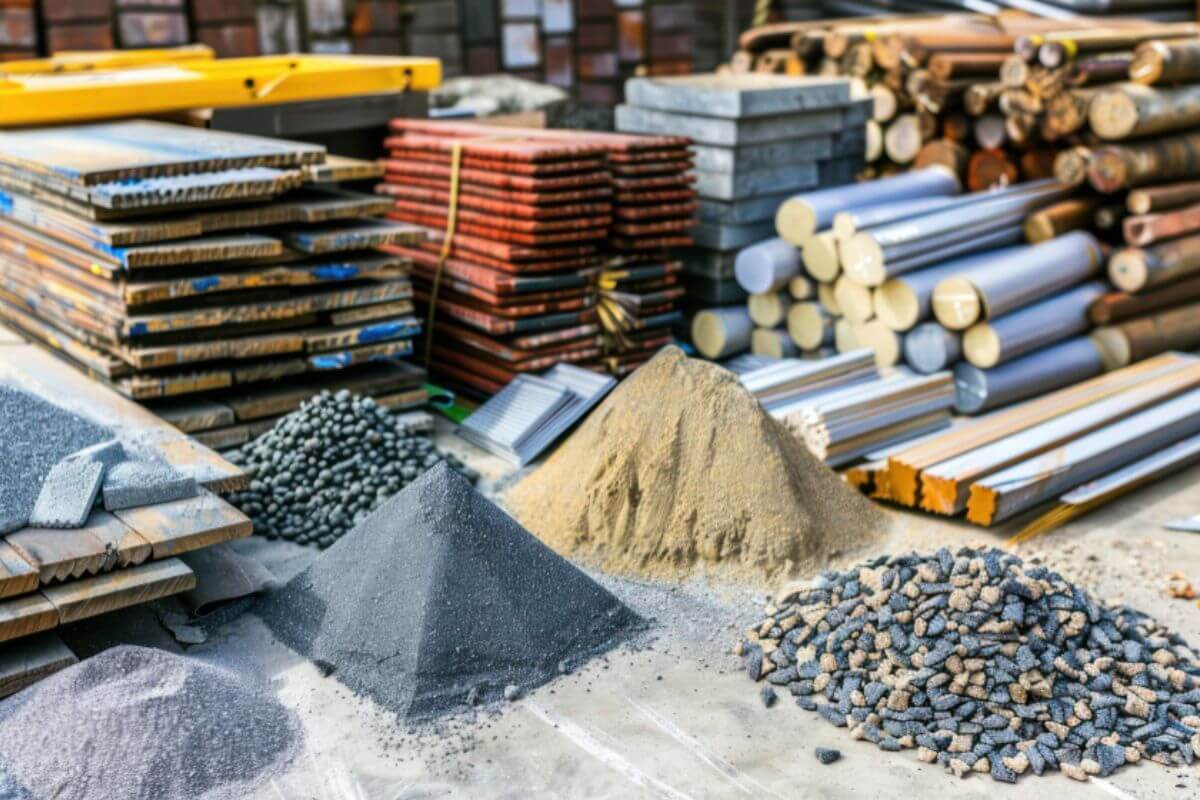
The type of wall and the materials you choose influence both function and appearance. Gravity walls rely on weight for stability and suit shorter heights, while cantilever or reinforced walls handle taller structures. Gabions or interlocking blocks can provide flexibility, cost efficiency, and a natural appearance.
Selecting durable materials such as reinforced concrete, natural stone, or high-quality blocks ensures the wall can withstand environmental conditions, including rainfall and humidity. Considering wall type and materials together allows you to balance aesthetics, strength, and long-term maintenance requirements, ensuring the wall performs well throughout its lifespan.
Wall Height and Load Pressures
Wall height and the loads it supports guide reinforcement and design decisions. Taller walls and those near structures or traffic must account for increased lateral pressure and surcharge loads. Proper calculations help ensure the wall can safely resist these forces without compromising structural integrity.
Considering height and load pressures early helps you anticipate the need for stronger foundations or additional reinforcement. By aligning wall dimensions with expected pressures, you can minimize movement, prevent damage, and maintain consistent performance, reducing risk and supporting the long-term success of your project.
Site Conditions
Site-specific factors such as slope, topography, and environmental conditions influence how the wall interacts with its surroundings. Assessing slope stability and integrating the wall with natural terrain helps prevent erosion, sedimentation, or landslide risks.
Factoring in site conditions and local regulations early allows you to plan walls that are safe, compliant, and adapted to the environment. Understanding the site ensures that your wall remains stable and functional under varying conditions, supporting a durable and effective structure that performs as intended over time.
Ensure a Successful Build with Regan Steel

At Regan Steel, we provide high-quality steel reinforcements and structural components designed to meet the specific demands of retaining wall projects. By offering consistent material quality and nationwide availability, we help ensure that your walls are durable, stable, and built to last.
Our team also brings technical expertise and practical guidance, helping you align design considerations with material selection and construction practices. With Regan Steel as your partner, you gain a reliable supply chain and a collaborative approach that supports smoother project execution, reduces unexpected challenges, and contributes to the long-term success of your builds.
Key Takeaway
By understanding the top design considerations for retaining walls,you can now plan and execute projects with greater confidence, ensuring structures that are durable, stable, and capable of performing safely under varying site conditions over the long term.
Ensure strength, durability, and functionality in your retaining wall projects with Regan Steel’s high-quality structural solutions. Our materials and expertise help you build safer, longer-lasting structures. Contact us today to learn how we can support your next project.