What are the essential tips for ensuring structural integrity in every build?
- Ensure detailed planning and meticulous design
- Use high-quality materials and skilled workmanship
- Monitor and inspect construction progress regularly
- Commit to long-term structural maintenance
Overview
- Ensuring structural integrity in Philippine construction requires aligning design, materials, and execution to withstand environmental stresses like typhoons, earthquakes, and varying soil conditions.
- Careful planning, quality materials, skilled workmanship, regular inspections, and long-term maintenance work together to reduce risk and preserve structural performance over time.
- Applying these practices allows builders to make confident, risk-aware decisions that support safety, durability, and long-term reliability in every project.
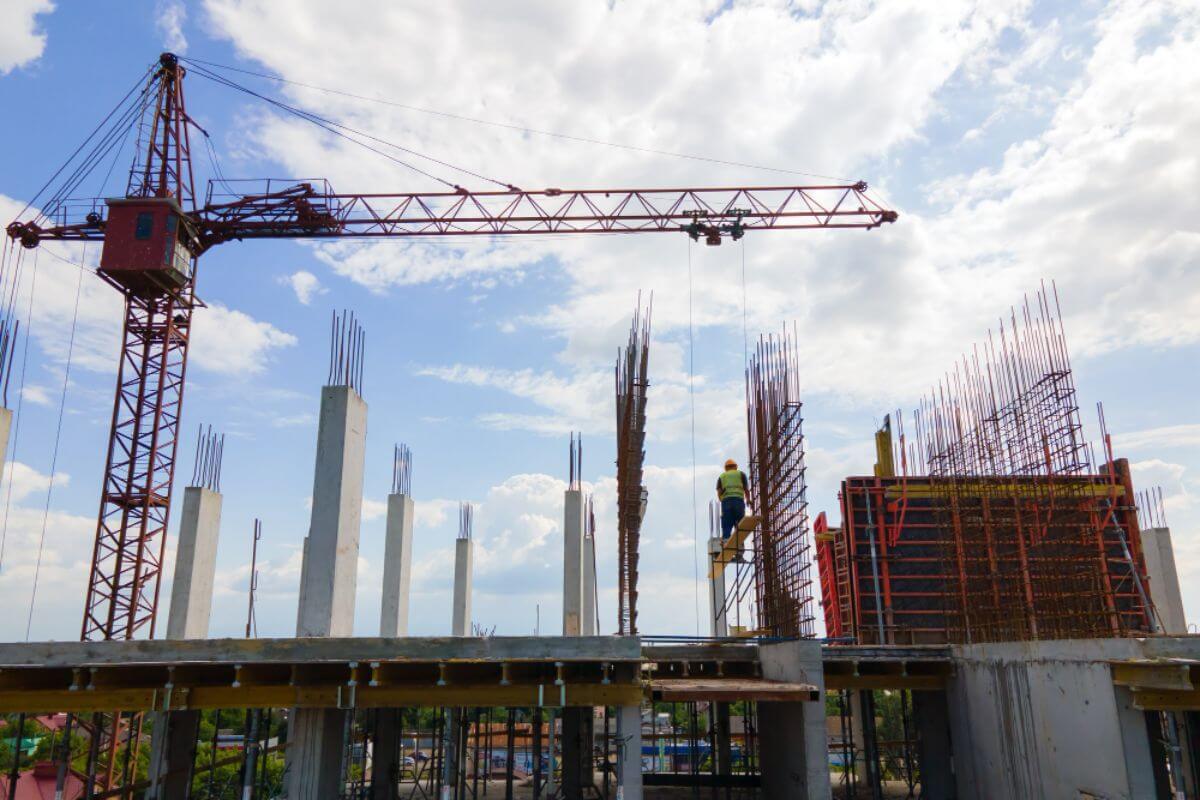
Ensuring structural integrity is a core responsibility in construction, especially in the Philippines, where typhoons, earthquakes, and varying soil conditions place constant stress on buildings. In such conditions, small material or execution errors can accelerate deterioration and create safety risks.
As a result, structural integrity becomes more than a design requirement—it shows how well a build performs under real-world conditions. By aligning design intent with material verification and careful execution, you protect safety, durability, and long-term reliability.
To support confident, well-informed decisions, here are practical tips for ensuring structural integrity in every build, helping you deliver safer, more resilient projects from start to finish.
Ensure Detailed Planning and Meticulous Design
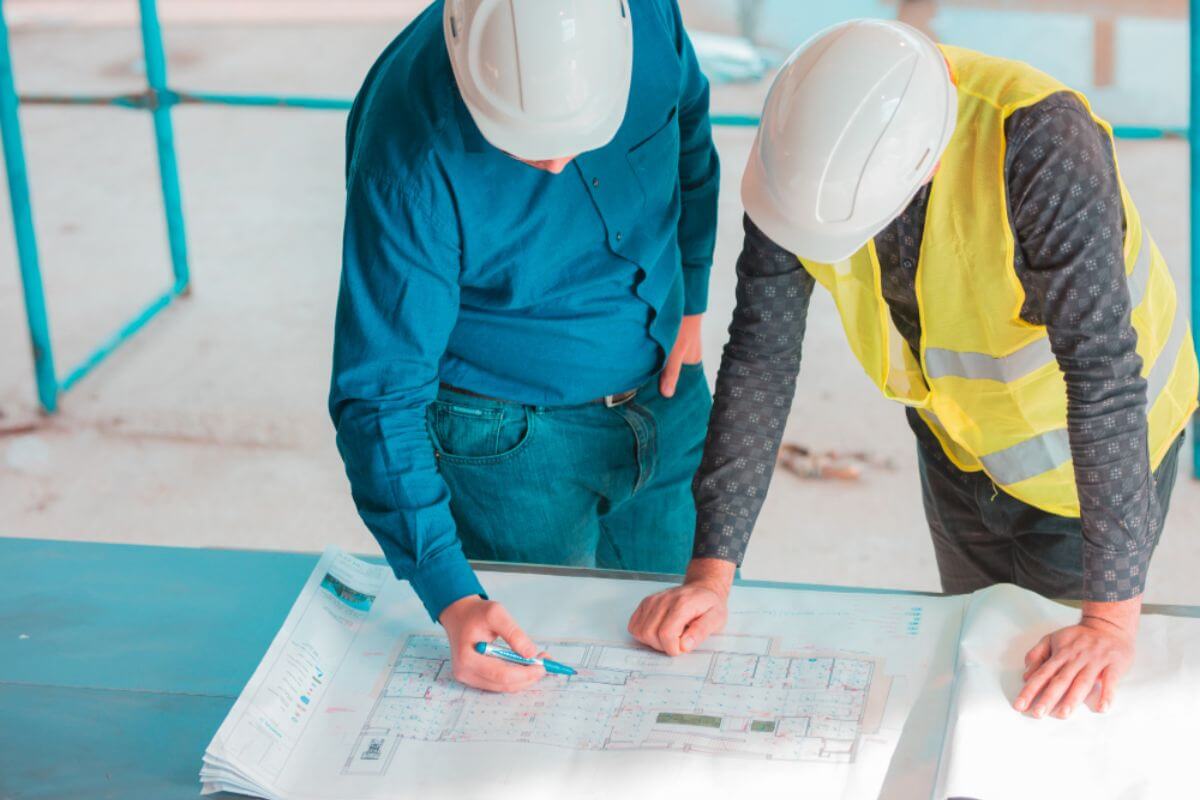
Ensuring structural integrity begins long before the first foundation is poured, with detailed planning and thoughtful design that reflect real conditions on the ground. By accurately assessing expected loads, including structural weight, live loads from occupants, and environmental forces such as typhoons or earthquakes, you create a design that anticipates what the building must endure across Luzon, Visayas, and Mindanao. This early diligence gives you a grounded baseline for every decision that follows.
In addition to load calculations, choosing materials that suit the local environment strengthens the design’s resilience. For example, corrosion‑resistant steel for sites near the coast or reinforced concrete mixes tailored for heavy rainfall areas ensure the structure performs as intended. Coupled with the National Building Code of the Philippines, these considerations give you confidence that the design meets both regulatory and practical standards.
Use High-Quality Materials and Skilled Workmanship
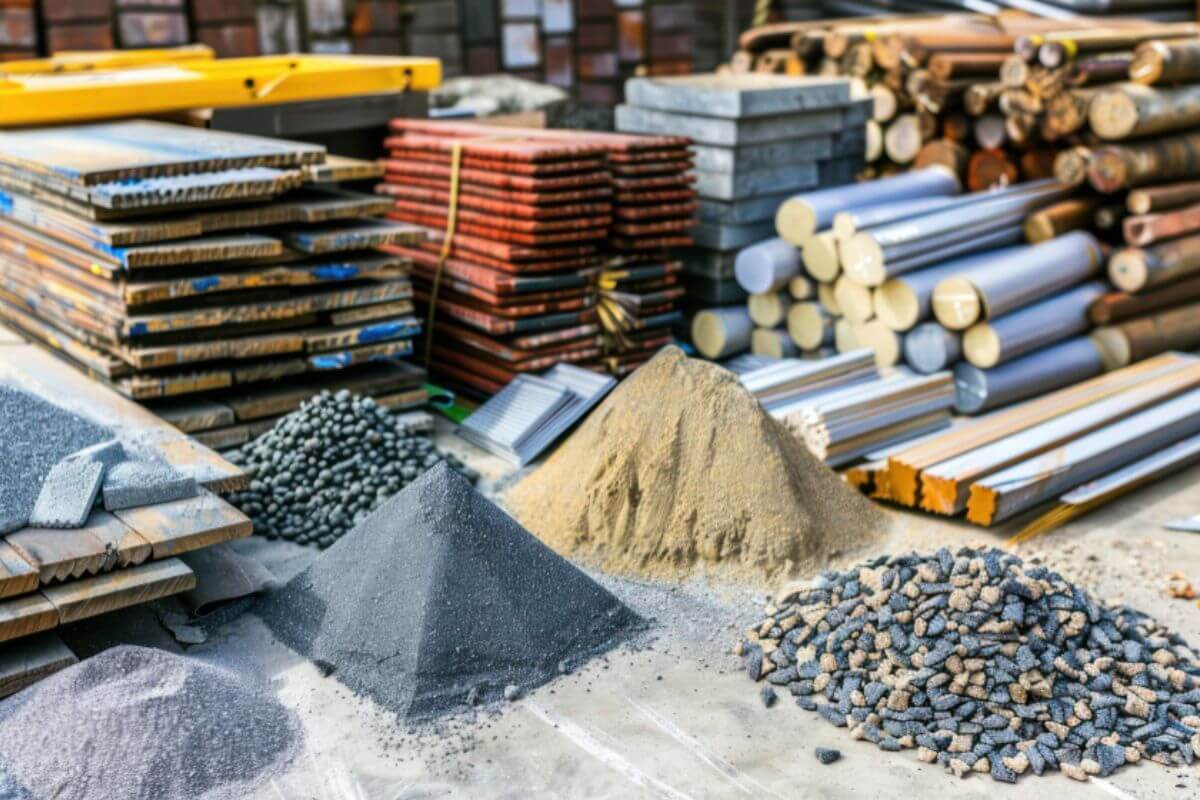
The materials you select and the craftsmanship with which they are installed play a key role in delivering structural integrity. When you choose high‑quality steel that meets or exceeds recognized standards, you ensure consistency in strength and durability, especially in salt‑prone environments like Manila Bay or Visayan coastal towns. Likewise, concrete mixes tailored for humid tropical conditions help prevent early deterioration under constant moisture.
Alongside material quality, skilled workmanship ensures that those materials function as designed in the field. Proper alignment of steel angles, accurate placement of reinforcement, and secure connections all contribute to a stable and reliable structure. With experienced hands implementing the design, the risk of errors that lead to misalignment or weak joints is reduced, supporting a smoother build process.
Monitor and Inspect Construction Progress Regularly
Keeping a close eye on construction progress helps confirm that the work being done matches the design intent, materials selected, and plans approved. By conducting regular inspections of reinforcement placement, concrete curing, and steel alignment, you verify that each phase of the build is executed properly. This is especially important in areas with uneven soil profiles or flood risk, such as parts of Metro Manila or Pampanga.
Using both visual assessments and non‑destructive testing techniques adds another layer of oversight, allowing you to detect issues early before they compound. For example, spotting slight misalignment or signs of stress during reinforcement checks can prompt timely corrections rather than costly rework later. With this kind of monitoring rhythm, the project maintains momentum without compromising quality
Commit to Long-Term Structural Maintenance
Structural integrity does not end with the final inspection; ongoing maintenance is essential for preserving performance over time. Regularly inspecting elements for wear, corrosion, or fatigue, especially in areas prone to high humidity like Davao or coastal regions like Palawan, helps you stay ahead of issues before they affect the structure’s condition. These periodic checks keep you connected to the building’s long‑term status and support proactive care.
Developing a structured maintenance plan that includes routine evaluations, timely repairs, and protective measures such as repainting or sealing helps extend the life of key components. By establishing this plan early, you integrate maintenance into your project strategy rather than treating it as an afterthought. This approach ensures that small signs of deterioration are addressed before they grow into significant problems.
Key Priorities for Ensuring Structural Integrity in Your Build\
When thinking about structural integrity, the priorities aren’t just about what you build—they’re about how you manage risk, make decisions, and coordinate the right resources across your project. Keeping these overarching priorities in mind can help you maintain confidence in your build, reduce surprises, and safeguard both timelines and budgets.
Some ways you can approach this include:
- Aligning Stakeholders Early: Ensuring everyone involved—from engineers to contractors—is on the same page helps prevent miscommunications and keeps project standards consistent.
- Prioritizing Risk Assessment: Identifying potential vulnerabilities before construction begins allows you to make informed choices about sequencing, resources, and contingency planning.
- Integrating Performance Metrics: Establish benchmarks for quality, stability, and compliance that you can track as the project progresses, giving you real-time insight into structural reliability.
- Planning for Lifecycle Sustainability: Consider long-term durability in decisions about maintenance schedules, protective measures, and adaptability to future environmental or operational changes.
Partner with Regan Steel for Durable, Long-Lasting Structural Solutions

When structural integrity is a priority, working with a dependable steel supplier helps you make confident, low-risk decisions throughout your project. At Regan Industrial Sales, Inc., we support builders, engineers, and developers by supplying structural steel products that meet recognized industry standards and perform reliably under real-world conditions in the Philippines.
Our experience in the local market allows us to understand the environmental, regulatory, and logistical challenges your projects face. With a broad range of certified structural steel products and providing practical guidance on material selection, we help ensure that the materials you use contribute to long-term strength, durability, and consistent project outcomes—whether you’re building commercial facilities, infrastructure, or industrial developments.
Key Takeaway
With these tips for ensuring structural integrity in every build, ou can now make more confident, risk-aware decisions that support long-term performance, safety, and reliability across future projects.
Ensure every build stands the test of time with Regan Steel’s expert solutions for structural integrity. Our durable, high-quality materials and engineering guidance help prevent failures, reduce risks, and maximize performance. Contact us today to learn how we can strengthen your next construction project.