What are the different methods of sheet metal deburring?
- Manual deburring
- Punch deburring
- Brushing
- Electromechanical deburring
- Thermal energy deburring
- Vibratory finishing
Sheet metals are used across several industries for a wide variety of workable parts. However, processed sheet metals may not always be in the best conditions. They can come out of machines with burrs, which need to be removed before further use.
There are many methods to sheet metal deburring that can be used in these situations. These are normally perforated using manual tools or automated equipment, and the increase of sheet metal use has also allowed each process to become refined and more efficient than ever. Read on to learn more.
Manual Deburring
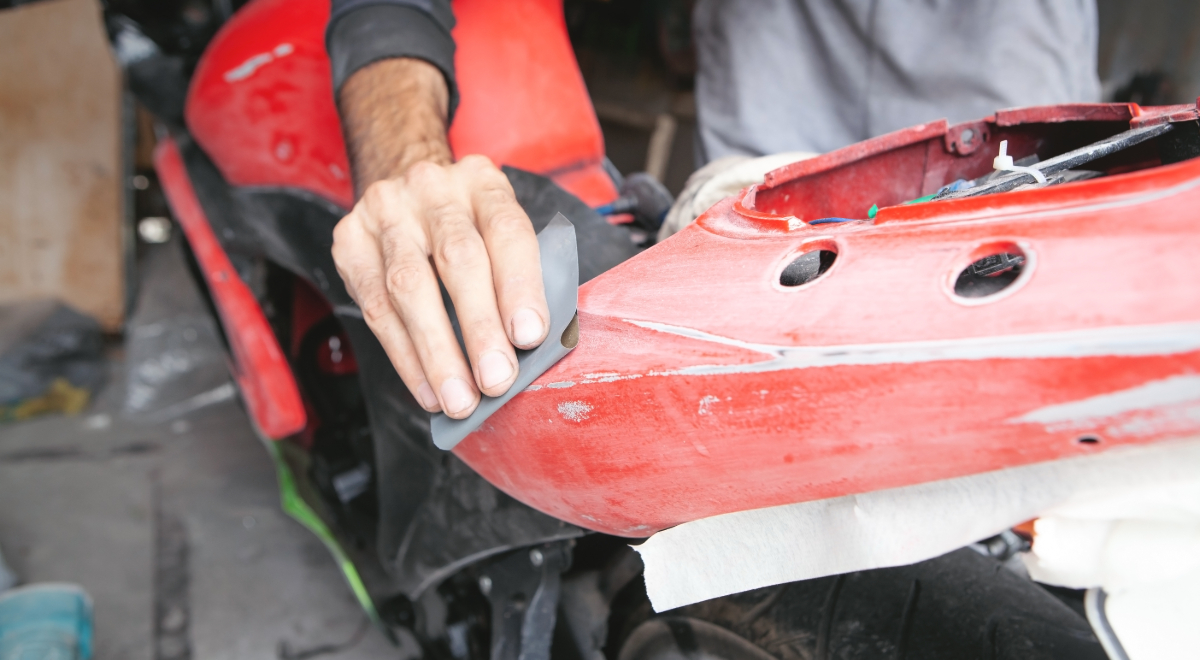
Manual deburring is the oldest and most popular method of deburring. It is most commonly used in smaller factories or batches with smaller yields. Using this method, the burrs on sheet metal are removed using manual tools such as files, sandpaper, and other polishing tools. The popularity of this method is owed to its relatively low cost and manageable labor.
However, it is not as effective for large parts. It also requires some skill from laborers to produce good results, therefore, it is best used in projects with smaller pieces and with more experienced workforces.
Punch Deburring
This method of deburring uses a punching machine to remove sharp imperfections. This punching machine needs different types of dies to achieve this. Using specially-made dies, it can do something called punch mold work. The types of dies used include rough blanking dies, sizing dies, and fine blanking dies. Using this machine, you can deburr more pieces in a given period than with manual deburring.
However, it is a difficult method to use for more complex pieces. This is because the more complicated the piece, the more dies are needed at each step. These dies are made for this specific purpose, and therefore take more time to craft. Extremely complex sheet metal parts may not be compatible with this method, as there is a limit to how detailed this process can be.
Brushing

With this method, the burr is eliminated by the use of a special type of brush. This brush ‘cleans’ the surface and deburrs the sheet metal. The brushing method works similarly to manually deburring using sandpaper or files. This is because the deburring brushes are made of abrasive material, similar to sandpaper, and come in varying levels of grit.
The difference here is that these brushes can be mounted to rotating machine tools. This allows the brush to work at high speeds, and much more efficiently than manual methods. It is also considered more cost-effective than the punch deburring method, as the deburring brushes can be used for a variety of pieces. They can also smoothen out much more complex pieces without much issue.
However, the downside is that this method can take more work time and effort on the part of the laborer. Additionally, depending on the severity of the burr, the deburring process may need several brushes in varying grits.
Electromechanical Deburring
This method is used for small sheet metal parts with burrs in areas that are difficult to reach. It uses tools with shapes similar to the edge or hole being deburred. The tool, usually an electrode, works with an electric current and sodium chloride solution as an electrolyte. This chemical reaction forcibly removes the burr, and any excess metal is washed away by the solution.
While more costly than the previously mentioned methods, it is perfect for small and delicate pieces of sheet metal. It is extremely efficient at removing stubborn or hard-to-reach burrs in complex pieces as well.
Thermal Energy Deburring
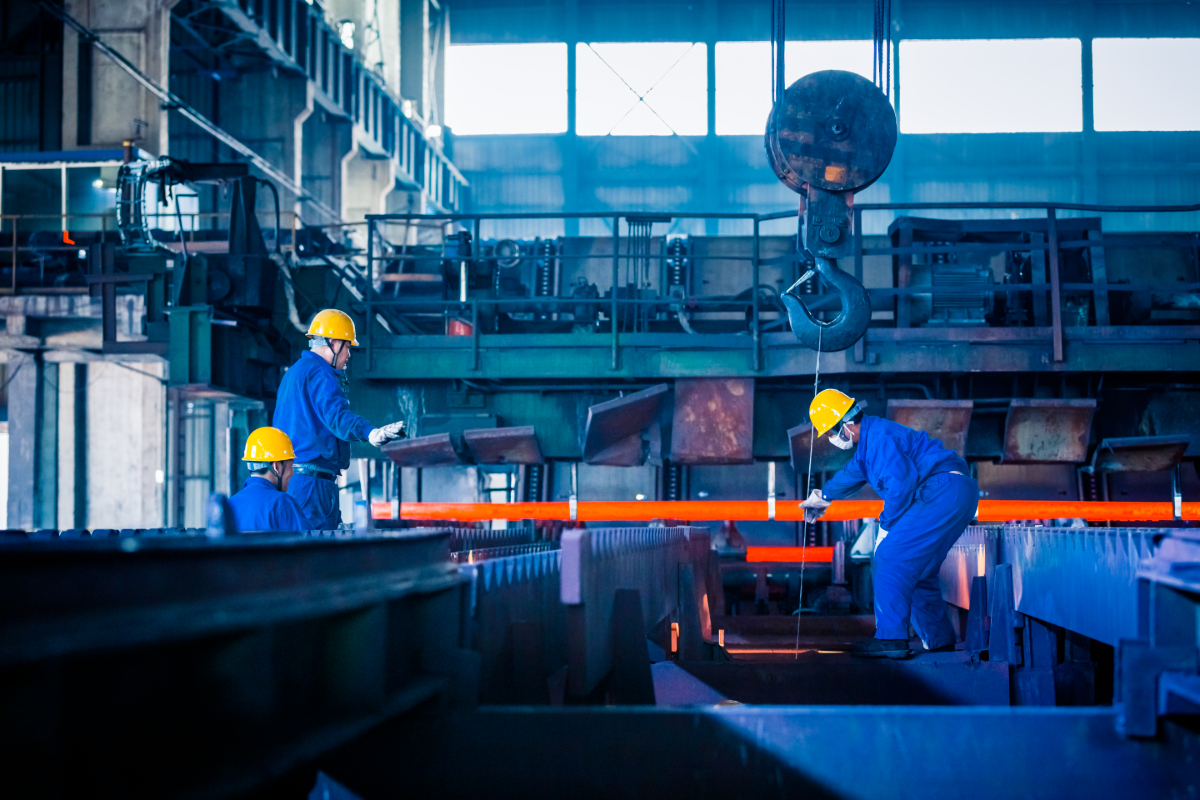
In thermal energy deburring, the sheet metal is placed in a sealed chamber, where a mixture of oxygen and natural gas is used as the energy source. These gases create a combustion reaction that burns all the surfaces of the metal and removes the burrs. This method is effective for large metal pieces, or high-volume pieces that need to remove several burrs in a short time.
The possible downside to using this method is that the right proportion of gasses and fuel should be used to generate enough heat, without damaging the metal. This can be challenging for the more delicate pieces.
Vibratory Finishing
If you’re using softer or more delicate sheet metal parts, using other methods of deburring may damage your piece. However, using vibratory finishing is a great way to deburr frail sheet metals without causing any other imperfections. In this method, the sheet metal is placed in a rotating barrel with other abrasive components or liquids. This abrasive media brushes along the burrs as the machine moves at a high speed. After a certain period, the media can wear down any burrs on the affected surface.
Popular abrasion media include plastic, ceramic, steel finishing media, and so on. The vibratory finishing method is perfect for removing burrs as well as metal imperfections. However, it takes a significantly longer time to undergo this process, so this may not be suitable for some projects on tight schedules.
Key Takeaway
When choosing a sheet deburring method from this list, consider how each process works and how that might affect your sheet metal piece. The most effective and cost-efficient method of sheet metal deburring depends on several factors.
However, the best way of minimizing your costs is to turn to a manufacturer capable of providing clean parts when you need them. At Regan Industrial Sales Inc., we offer a variety of sheet metal products that can suit any project — all with sleek and smooth finishes for your convenience. Contact us today to learn more about our sheet metal products and solutions!