What is the importance of deburring in metal fabrication?
- Produces usable metal products
- Enhances part durability
- Prevents injuries
- Protects machinery from damage
- Improves paint adhesion
- Removes oxides and marking
What is deburring and why do your metal parts need it? The reason that this step is essential to manufacturing is its many contributions and benefits for your fabricated parts. In this post, we explore the importance of deburring in metal fabrication and the advantages that your metal products receive when you include this step in the process.
What Does Deburring Mean?
A burr is a rough edge left on a metal surface after it passes through a tool or machine. Burrs can be problematic for the part so metal parts need to be deburred via manual or machine-assisted methods. These techniques remove and smooth out the part’s edges before the next step of fabrication. But why is this step necessary?
Produces Usable Metal Products
For metal projects that require precisely-made products, any rough edges can cause potential danger and hazards for the users. Additionally, these edges may fragment, displacing metal flecks in places they should not be. This could have devastating impacts should the fragments end up inside commercial products.
Take for example the metal products used in the medical industry, such as scalpels or needles. Should these tools contain burrs, the uneven edges could harbor bacteria or break off while being used — both possibilities can cause serious harm to a patient.
For any industry that requires the use of metal tools, each part that is fabricated should undergo a deburring process to ensure the usability and safety of the finished products.
Enhances Part Durability
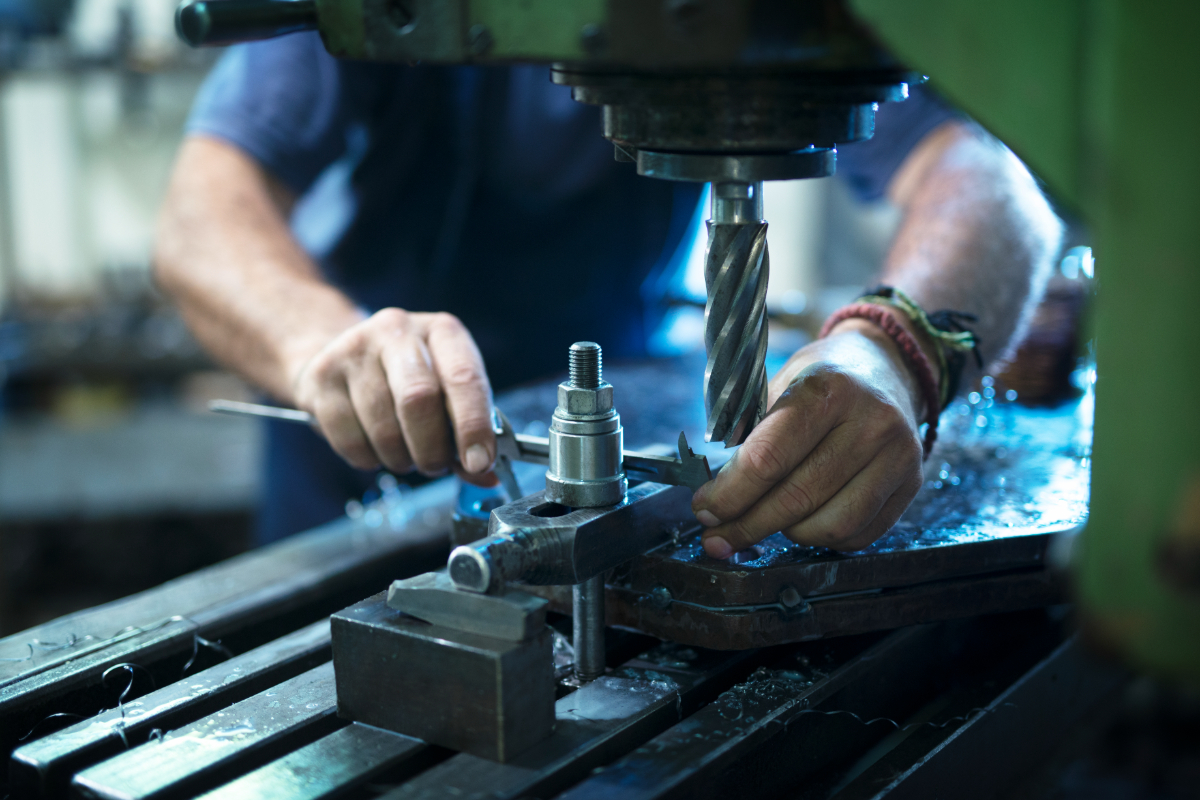
Aside from usability, burrs can also impair the durability of the metal part. When left untreated, rough ridges on the metal can get caught against other materials, which causes tearing. Burrs on a metal part also create friction against other parts it comes into contact with, and this friction can result in earlier wear for the product.
The deburring process removes the risk of this happening and results in a metal part that has smooth and clean edges. As a result, there is a reduced risk of wear and tear since the edges will not get caught nor cause friction. To put it simply, deburring removes potential hazards, and helps create a more durable end product.
Prevents Injuries
Burrs not only pose a threat to the product’s usability and durability, but also to fabrication operators. When working with metal, there is always a risk of accidents and injuries, and the possibility of this happening increases when working with rough pieces.
The burrs can easily wound flesh, and can even cut through protective gear like gloves. Deburring — while it can be labor-intensive and time-consuming — is critical to protecting your workers from injury.
Protects Machinery From Damage

Your workers are not the only ones who are at risk of damage from burrs — your machines are also at risk. Machinery, whether operated manually or via CNC, requires uniform metal parts to do its job. When parts have burrs, they no longer fit into the mold as they should.
Because they are ill-fitting, their sharp edges can get stuck on the tooling or mechanism of a machine. This can result in both the part and the machine becoming damaged. Deburring is critical in maintaining the safety of fabrication machinery so that each machine can work properly for its intended application.
Improves Paint Adhesion
When fabricating metal, it is sometimes necessary to paint the parts to achieve the intended product design. However, when parts have uneven and sharp ridges, the paint coating will not be able to adhere properly to the surface. Thus, the paint dries unevenly across the surface of the metal.
This unevenness causes blistering, cracking, sagging, and other common paint problems. When these problems occur the paint chips off easily, making the product look unsightly. Worse, without the protective coating, the part is at risk of corrosion. Deburring and achieving a smooth metal product is critical to preventing these flaws from happening.
Removes Oxides and Marking
During the fabrication process, your metal parts can generate oxide layers. However, this oxide layer harms your part’s quality. Oxidized surfaces are flaky, and can leave rust patches behind when they fall off. Additionally, oxidation creates an uneven surface and metal composition, which makes it difficult to coat and weld these pieces satisfactorily.
The good thing is that this layer can easily be removed during the deburring process. Both manual and mechanical means can smoothen out metal surfaces and get rid of any patches of oxide.
Another problem that can arise during manufacturing is marking, which can be caused by several things: the machinery used, defective tooling, human error, and more. These imperfections negatively affect the visuals and aesthetics of your metal product, and can also cause problems for coating and other finishing touches that you intend for your final design. Deburring can minimize these flaws before your part undergoes the last steps of fabrication.
Key Takeaway
The importance of deburring in metal fabrication is that it is an essential step for ensuring your product’s overall quality. If your goal is to create usable, durable, and high-grade products, then it is a must-have procedure in your manufacturing operations.
For any product, this quality matters — and to achieve quality deburring, employing quality metal services is critical. With Regan Industrial Sales Inc., you can rest assured that our fabrication jobs produce dependable and accurate results time and time again. Contact us today to avail of our services!