What are the best practices for modern construction?
- Embrace technology & digitalization
- Adopt modern techniques & sustainability
- Strategic project management
- Communication & collaboration
- Safety & quality control
Overview
- Construction projects in the Philippines face challenges such as rising costs, labor shortages, and stricter standards.
- Applying modern approaches—including digital tools, sustainable practices, structured management, and clear communication—helps improve efficiency and control risks.
- Strong focus on safety and quality enables teams to deliver reliable, durable, and high-performing structures.
Modern construction projects in the Philippines face increasing pressure due to rising material costs, labor shortages, stricter sustainability standards, and tighter timelines. Without a clear and strategic approach, these challenges often result in delays, budget overruns, and compromised quality.
In this article, we will highlight how adopting the best practices for modern construction projects enables teams to improve efficiency, manage risks more effectively, and deliver durable, high-performing structures.
Embrace Technology & Digitalization

Digital transformation continues to reshape the construction industry by improving accuracy, coordination, and decision-making across all project phases.
Key technologies driving this shift include:
- Building Information Modeling (BIM): A centralized 3D modeling system that enables real-time collaboration, early clash detection, and more accurate planning—significantly reducing costly rework.
- Automation and Digital Tools: Project management platforms, drones, and automated workflows streamline site operations and improve reporting accuracy.
- Data-Driven Planning: Advanced analytics provide clearer visibility into timelines, costs, and resource allocation, allowing teams to make informed adjustments quickly.
Projects that rely heavily on manual processes often experience miscommunication, delayed issue detection, and inefficient workflows. Integrating digital systems helps mitigate these risks while improving overall project control.
Adopt Modern Techniques & Sustainability
Efficiency in modern construction extends beyond speed to include long-term performance, environmental responsibility, and effective use of resources.
- Modular and Prefabrication Methods: Producing components off-site while site preparation is ongoing shortens timelines and improves consistency in build quality.
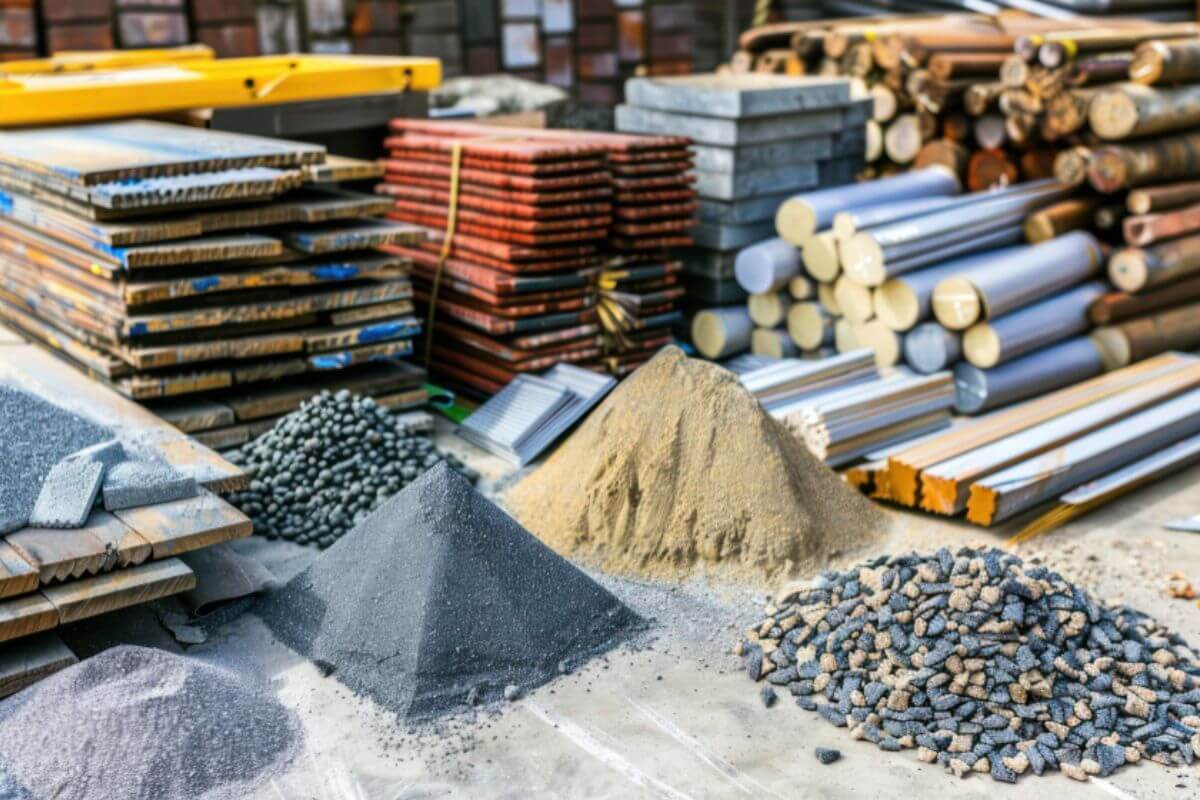
- Sustainable Materials: Durable, recyclable materials reduce environmental impact while supporting structural integrity. High-quality steel, for instance, provides strength, longevity, and recyclability for various applications.
- Green Building Certifications: Meeting standards such as LEED, EDGE, or BREEAM promotes energy efficiency, responsible resource use, and regulatory compliance.
Projects that do not adopt these approaches often face extended timelines, increased material waste, and greater environmental impact. Over time, this can lead to higher maintenance expenses, shorter structural lifespan, and lost opportunities to improve energy efficiency and meet sustainability standards.
Strategic Project Management
Construction projects involve multiple interconnected processes that require precise coordination. Strategic project management helps maintain control over resources, timelines, and potential risks.
- Lean Construction Principles: Focus on minimizing waste while maximizing value through optimized workflows and resource allocation.
- Comprehensive Early Planning: Securing materials, aligning stakeholders, and identifying potential constraints early reduces disruptions during execution.
- Proactive Risk Management: Anticipating challenges such as supply chain delays, weather conditions, and site hazards allows teams to implement contingency plans in advance.
- Real-Time Monitoring: Digital tracking tools provide up-to-date insights, enabling faster response to on-site issues.
A well-managed project reduces inefficiencies, prevents delays, and maintains alignment across all phases of construction.
Communication & Collaboration

Effective communication is critical to keeping construction projects aligned and on schedule. Miscommunication often leads to delays, errors, and increased costs.
- Integrated Project Delivery (IPD): Encourages collaboration among all stakeholders from the earliest stages of the project.
- Regular Coordination Meetings: Frequent updates help maintain alignment on goals, schedules, and deliverables.
- Digital Communication Tools: Platforms such as Zoom or Google Meet support seamless coordination, even across multiple locations.
Strong collaboration remains a core component of the best practices for modern construction projects. When communication is limited, teams tend to operate in isolation, leading to misunderstandings, duplicated efforts, and conflicting decisions. These inefficiencies can slow progress, increase errors, and raise costs, ultimately affecting timelines, coordination, and overall project quality.
Safety & Quality Control
Failure to prioritize these areas often results in costly rework, project delays, and long-term structural issues.
- Safety Training and Compliance: Regular training and strict adherence to protocols reduce the risk of workplace accidents.
- Protective Equipment and Standards: Proper gear and enforced safety procedures ensure consistent worker protection.
- Quality Assurance Processes: Routine inspections and compliance with established standards help maintain reliability and long-term durability.
Prioritizing safety and quality supports consistent performance while protecting both the workforce and the structural integrity of the project. When these areas are overlooked, the risk of workplace accidents, defects, and costly rework increases. Over time, this can weaken durability, create compliance issues, and negatively impact the reputation of those involved.
Key Takeaway
Modern construction demands more than traditional methods. Consistent application of proven strategies enables teams to improve efficiency, reduce risks, and deliver structures that meet both performance and sustainability standards.
Since 1968, Regan Industrial Sales, Inc. has built a strong reputation for delivering a comprehensive range of high-quality steel products and services that meet the demands of modern industries.
Contact us now to avail our exceptional products and services at competitive prices.