What are the differences between hot-dip vs electrostatic galvanizing?
- Process
- Coating
- Advantages
- Disadvantages
- Applications
The need for galvanized metals is booming, with many applications in construction, electronics, transportation, and countless other industries. Some of the most commonly used methods to create these in-demand materials are hot-dip and electrostatic galvanizing.
These two methods not only have different production processes but also yield different results and appropriate applications. But what are they, and which is better? If you’re someone weighing hot-dip vs electrostatic galvanizing, read on. This article will dive into the key differences between these two galvanizing methods.
What Is Galvanization And Why Do We Use It?
Galvanizing is how metal manufacturers enhance rust resistance for their products. Normally, ferrous metals readily react with oxygen to create iron oxide, which we know as rust. With the galvanizing process, a zinc coating is applied to provide protection — this coat prevents this oxidizing process and improves the longevity of the metal.
How this coating is created varies from one method of galvanizing to the next. Here is how hot-dip and electrostatic galvanizing are performed.
Process
In hot-dip galvanizing, the protective coating is applied to steel by directly dipping it into a bath of molten zinc. This steel will then undergo a series of steps to ensure the coating is properly applied, and a robust protective layer is achieved.
- Caustic Cleaning — The product is cleaned of dirt, grime, grease, and oil using a caustic solution. This is then rinsed off.
- Acidic Cleaning — The product is then cleaned with an acidic solution. This removes the remaining scrap and scale. This is then rinsed off.
- Flux or Inhibitor Addition — A flux or inhibitor is applied to the clean product surface. This improves the adhesion of the zinc coating and inhibits oxidation.
- Dipping — The product is dipped into a molten zinc bath, and remains there until its temperature matches that of the zinc bath.
- Quenching — The now coated product is quenched in a water bath to reduce its temperature. This allows the zinc coating to solidify and remain unblemished.
Electrostatic galvanizing achieves its zinc coating through the process of electroplating. This involves submerging the steel and an inert anode in a liquid solution containing zinc salts.
- Degreasing — Similar to hot-dip galvanizing, the product undergoes a cleaning procedure to remove tarnish, rust, fingerprints, and other debris using alkaline solutions before immersion of the piece in the electroplating tank.
- Erosion — Product surfaces may also need to be roughened before coating application, which improves adhesion.
- Activation or Pickling — Removes oxides and scales from the surface of the product, using acidic solutions.
- Galvanizing — After submerging the product in a zinc salt solution, a current is forced through the product, through the solution, and towards the inert anode. By doing so, the zinc becomes attracted to the product and creates a protective barrier.
- Rinsing — After galvanization, the product is rinsed with water to remove excess zinc and other contaminants.
- Passivation — A quenching process that prevents the formation of zinc oxide in the first few weeks after galvanization.
Coating
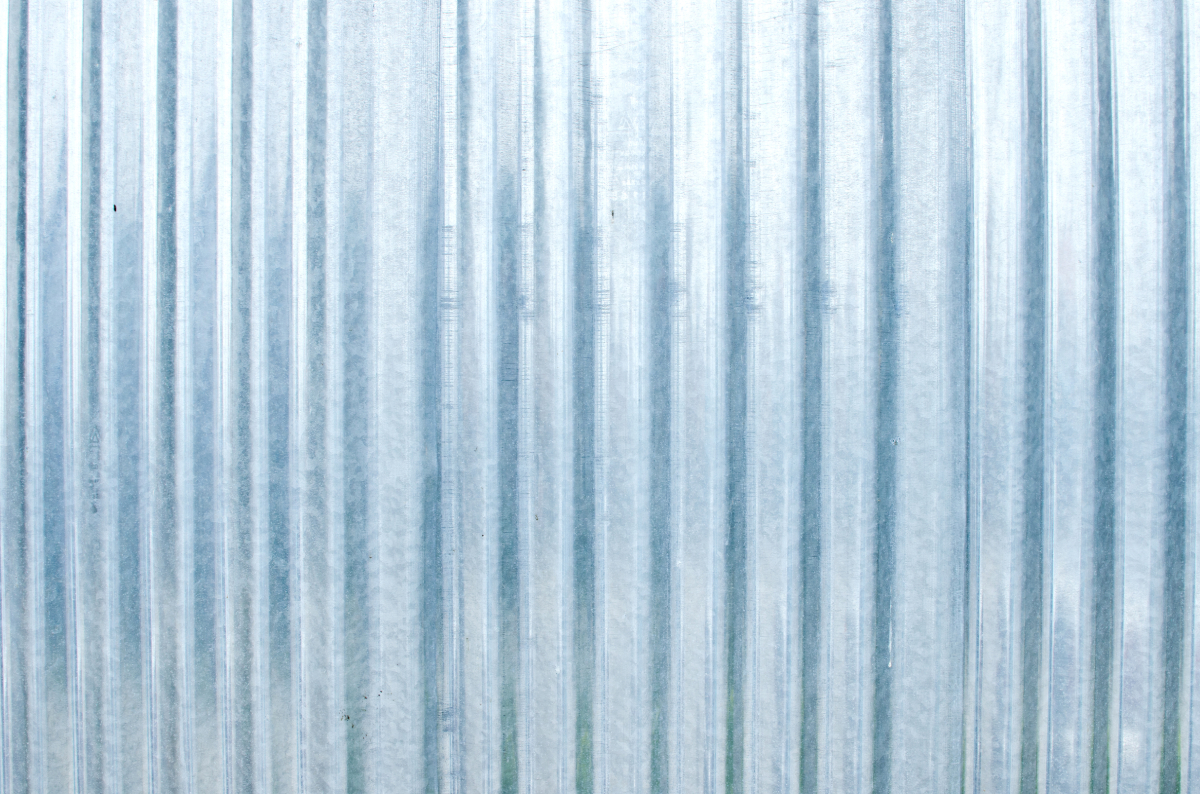
Hot-dip galvanization leaves a pure zinc coating that is dark and slightly rough (water lines and dripping tumors are common). The appearance tends to have a silvery-white color and is generally thick — ranging from around 80 to 100 µm. The thickness depends on the dipping duration as well as the steel’s roughness and composition.
For electrostatic galvanization, the coating is uniform and dense, with a smooth and bright appearance. The color of this coating is mainly yellow-green but can achieve other colors such as blue-white, white, green, iridescent, and more. The zinc coating is much thinner — ranging from 10 to 12 µm. Its thickness depends on the electrolyte temperature of the liquid solution, and the current density used.
Advantages
The thick and tough coating achieved through hot-dip galvanization provides some advantages, such as:
- Long service life — Products have a life expectancy averaging between 20 to 50 years.
- Dual-layer protection — The hot-dip process creates a tough iron-zinc alloy on the steel surface and a pure zinc layer on the outer surface. Thus, it is highly rust and abrasion-resistant
- Thickness — Several times thicker than other galvanized coating methods.
- Sizing — The hot-dip process can be used for all product sizes.
Likewise, electrostatic galvanization offers unique advantages over hot-dipped products:
- Aesthetics — Creates a clean, bright finish that can come in various colors.
- Uniformity — Coating is generally very smooth and free of spangles, which is easier to paint or further process.
- Cost-effectiveness — Typically a more economic galvanization method compared to other options.
- Thinness — Protective layer is thin yet functional, which makes it a good choice for small metal products with tight tolerances.
Disadvantages
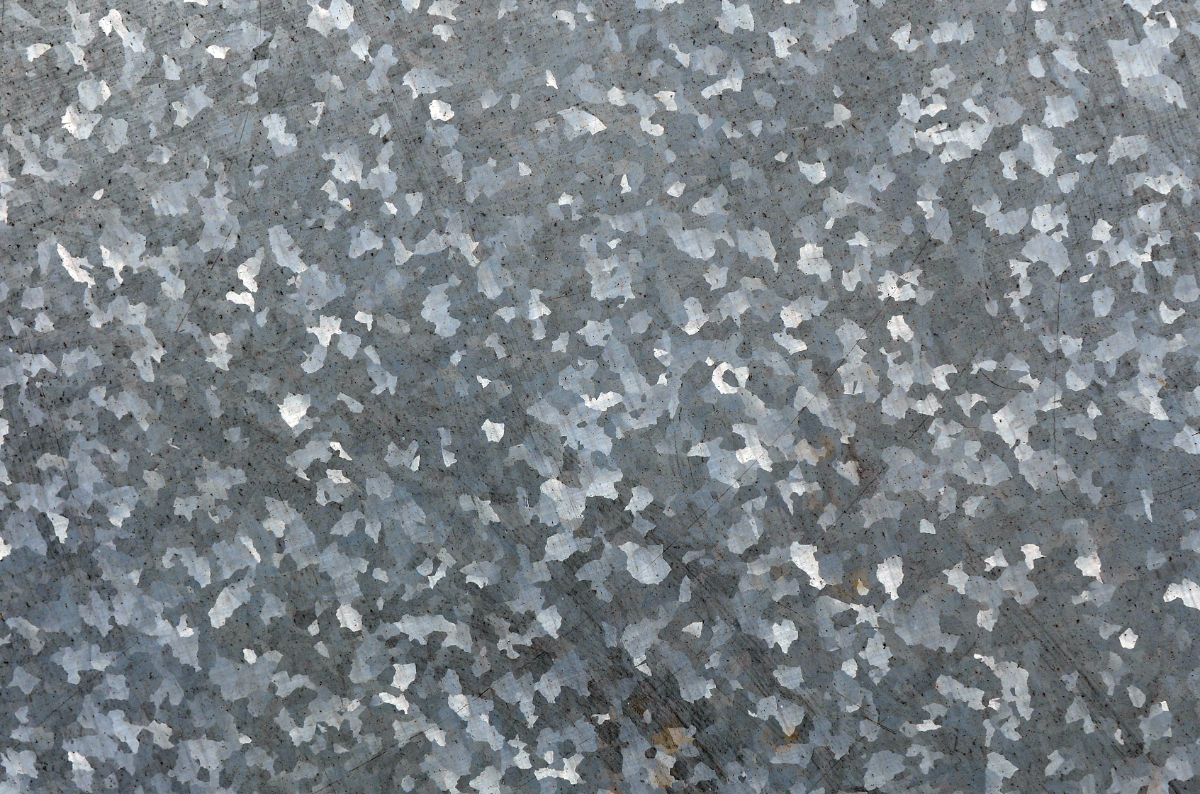
Despite its many advantages, there are a few disadvantages to hot-dipped products:
- Dull appearance — They tend to have streaky, unattractive appearances, which is not ideal for architectural or aesthetic applications.
- Cost — Significantly more expensive than electrostatic galvanization.
- Thickness — Layer thickness can be inconsistent across the product, which needs secondary finishing services.
Electrostatic galvanization also has its share of setbacks:
- Shorter service life — Unlike hot-dipped products, electrostatic galvanization has an expected service life of a few months to a few years. This is dependent on exposure to environmental factors.
- Corrosion resistance — Tends to corrode at a faster rate.
Size — Not the ideal method for coating large-format metal products.
Applications
Because it offers robust corrosion resistance, thickness, and long service life, hot-dip galvanization is the ideal method for metal products in demanding, high-traffic applications. It is also great for products exposed to the elements. Some examples include construction materials: pulley systems, scaffolding, piping, grating, supporting steel structures, and grating.
On the other hand, electrostatic galvanization is recommended for applications requiring aesthetic appearances, tight tolerances, and may not be used for more than a few years.
Common examples include automotive plating, electrical wiring, and appliance parts. Indoor architectural designs can also make use of the shiny finish of electrostatic galvanized metals if exposure to weather is minimal.
Key Takeaway
To know more about the differences between hot-dip vs electrostatic galvanizing and which method would best fit your project, contact a reputable and experienced metal manufacturer — like Regan Industrial Sales, Inc.!
We are the Philippines ’ best metal manufacturer and supplier, with decades of experience in providing top metal products and quality customer services. Send us a message and we’ll discuss our wide range of galvanized products with you.