What are common signs that you need to replace your metal roofing?
- Old Age
- Worn Paint
- Corrosion and Rust
- Leaks
- Punctures and Tears
- Storm Damage
- Sagging Roof
- Curling or Missing Shingles
Metal roofing is known for its durability and reliability — given the right maintenance and environment, this material could last for decades. However, that doesn’t mean that this material won’t ever experience wear or tear.
As a homeowner, knowing the signs to replace your metal roofing is important in protecting your home from additional problems. Read on to find the eight signs that your metal roof needs to be restored.
Old Age

All roofing materials start to show signs of deterioration at a certain age. For most metal roofs, this starts to happen around their 20th to 30th year after installation. While many manufacturers claim that this roofing material can last much longer than 30 years, this is often not the case.
Taking environmental factors into account, your roof could be worn down from rains, high humidity, high salt air conditions, and more. If your roof is around 20 years old, now may be a good time to have it inspected for any issues.
Worn Paint
Most metal roofs are painted with waterproof coating. This is an additional form of protection from rain and humidity, but this is susceptible to damage from falling debris. It can also become warped and worn out due to fluctuating temperatures.
If your metal roofing is showing chipped, faded, or thinning paint, then it might be susceptible to rust. This is because the protective layer is damaged, exposing the metal to the elements. If the paint damage is extensive, then it is likely that your roof has been damaged. In that case, it would be easier and less costly to replace the roofing altogether.
Corrosion and Rust
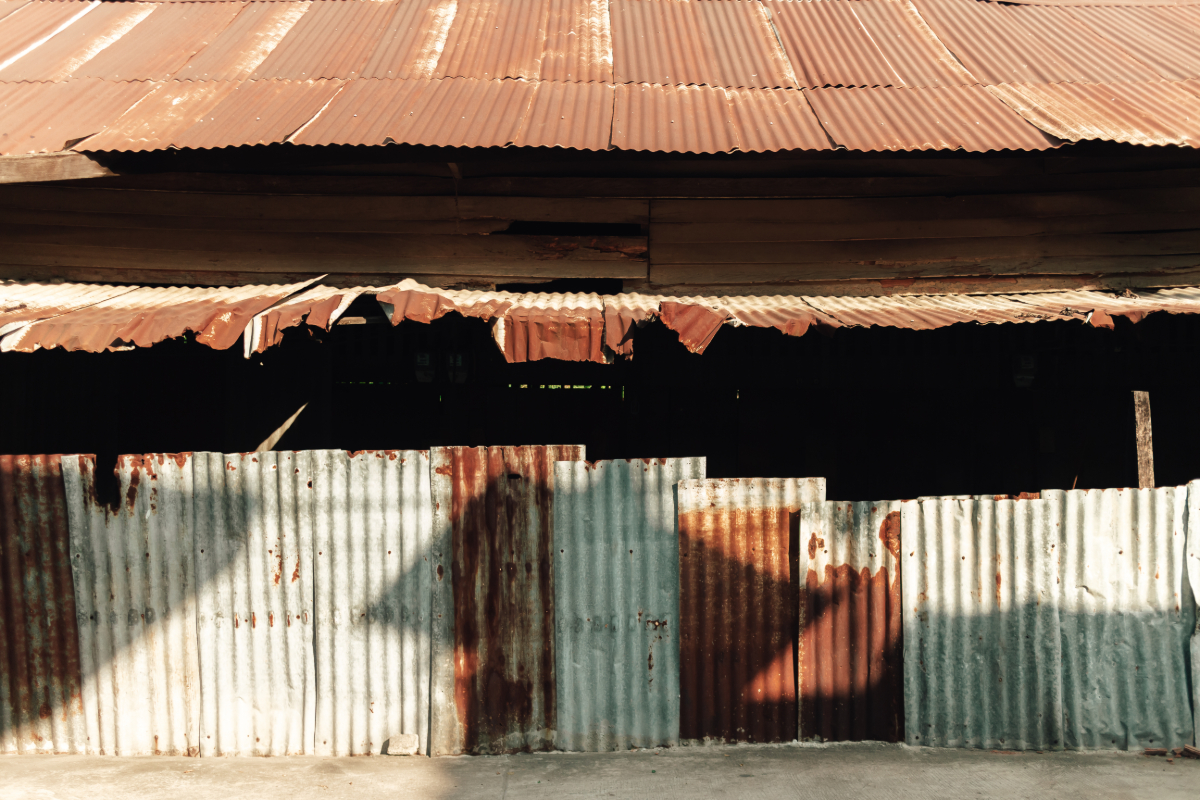
As previously stated, metal roofing is often sealed with protective paint to prevent rust (and even corrosion). However, this seal may not have been applied correctly or became damaged. This leads to exposure, which could cause rust to form on your roof.
Additionally, if your roofing material contains more than one type of metal, it could cause corrosion. This is because the contact between dissimilar metals (such as copper or aluminum) could cause a chemical reaction. This corrosion can eat through the material and cause water damage underneath your roof due to leaks.
If you see patches of corrosion or rust on your roof, it is best to contact professionals to inspect and assess the damage. Should it need extensive repairs or too much of the metal material has been damaged, it would be recommended that you replace the metal roof instead.
Leaks
As mentioned, leaks in your roof can be caused by rust or corrosion damage. Over time, your roof panels may also become warped or loose due to water damage, allowing more leaks to penetrate your home. A leak is a good sign that you need to replace or repair one of the metal panels in your roof.
While it might be a minor inconvenience to have a small leak in your house, it has the potential to grow into a bigger problem if left unaddressed. Leaks can hasten the rusting and corrosion process in your roof, which can lead to damage to housing materials, electrical systems, and even mold growth.
Punctures and Tears
If you’ve gone up to your roof before or had repairmen over for inspections and the like, then you know that your metal roofing is sturdy enough to be walked on. However, the amount of weight put onto a metal panel could occasionally cause a tear or puncture to develop.
These can normally be fixed with caulking, but that is only a temporary measure. If there have been numerous instances of tearing or puncturing of your metal roofing, the integrity of the roof structure may be compromised. It would be best to replace the affected panels, or the whole roof if this is the case for your home.
Storm Damage

Storm damage is common in many tropical countries, and if anything falls or hits your metal roofing in a storm, then it could cause structural damage to your house. This point might seem pretty obvious, but most homeowners are not aware that even small incidents could lead to a roof replacement.
This is why you should always check on your roof after heavy winds and rain. Any dents or scratches to your metal roof should be noted, and debris should be cleared to prevent further damage. If there are several dents on your roof (or on a specific panel) it may need to be replaced.
Sagging Roof
Metal roofing material typically doesn’t experience sagging due to its durable and tough nature — but when it does, it should be cause for alarm. When metal material sags, it signals that there is a big issue with the roof and its foundational supports. As soon as you see any part of your metal roof starting to sink, call a professional for inspection ASAP. There may be extensive rot, corrosion, or broken supports, which can be fixed with roof repair or replacement.
Curling or Missing Shingles

Some styles of metal roofing come with shingles. If your home uses this type, make sure to check them regularly. One of the signs that you need to replace sections of your roof can be seen in the condition of the shingles. What you should be looking out for is if any parts are “curling” or missing from your roof.
Shingles can become curled in two ways. The first is cupping, which is when the edges of the metal shingle detach and turn upward; the second is clawing, which is when the edges stay attached, but the middle portion becomes deformed and moves upwards. Both are signs of heat and water damage and could cause leaks in the future.
If your shingles are missing, what is important to note is the amount that has become detached. There should be no problem with replacing a few metal shingles, but if there are several missing, most roof repair companies would recommend assessing the area for internal damage. If these shingles have been missing for a while, you might have to replace the roof entirely and have repairs done underneath.
Additionally, while you’re checking your shingles, look at your gutters. If there is a build-up of granules — bits and pieces that have broken off from the metal shingles — it’s a sure sign that your roof is at the end of its usability.
Key Takeaway
If your home has a metal roof, being aware of the signs to replace your metal roofing will help guide you on what parts to inspect, and what warning signs should keep an eye out for.
As a homeowner, staying vigilant and knowing which professionals to contact for inspections, repairs, and replacements — such as the experienced team at Regan Industrial — is integral to preserving the value of your home. Click here to get in touch with us and learn more about our metal products!